Washington faces a deep stalemate on artificial intelligence regulation, with the White House dismissing safety warnings as a hoax while lawmakers debate antitrust exemptions and third-party audits. Simultaneously, HHS nominee Chris Klomp endorsed vaccines during a measles outbreak, and Rep. Thomas Massie launched a historic impeachment effort against Defense Secretary Pete Hegseth.
Senate Republicans Ted Cruz and Josh Hawley explicitly rejected proposals to grant antitrust exemptions to AI companies, calling such moves 'lunacy' and a potential cartel. While the administration and House Speaker Mike Johnson dismissed AI safety warnings as a 'hoax' to avoid stifling innovation, former FTC Chair Lina Khan argued that existing consumer protection and antitrust laws are sufficient to prosecute AI firms for releasing dangerous, unvetted models. The debate centers on whether Congress should create new regulatory frameworks or enforce current statutes against a concentrated group of tech giants.
The parents of the individual who carried out the May 2026 attack on the Islamic Center of San Diego have filed a civil lawsuit alleging that a mental health facility failed to act on a specific warning from the FBI. The suit claims that despite receiving a notification regarding the suspect’s potential for violence, the facility did not take adequate steps to ensure public safety or coordinate with law enforcement. This legal action seeks to hold the institution accountable for negligence that allegedly allowed the shooter to remain in the community. The case adds to ongoing scrutiny of how federal and local authorities handle intelligence regarding individuals with mental health issues who pose a threat. It highlights a critical gap in the communication chain between mental health providers and federal agencies. The lawsuit does not seek criminal charges but aims to establish liability for the failure to prevent the tragedy. This development underscores the complex intersection of mental health care and national security. It raises questions about the protocols in place for managing high-risk patients. The parents argue that the facility’s inaction directly contributed to the deaths of the three victims. The case is expected to draw attention to the need for clearer guidelines in such situations. It may also influence future policies regarding the sharing of sensitive information between healthcare and law enforcement. The legal battle will likely involve detailed examinations of the facility’s records and the FBI’s communication logs. This is a significant step in the aftermath of the attack, focusing on prevention rather than just punishment.
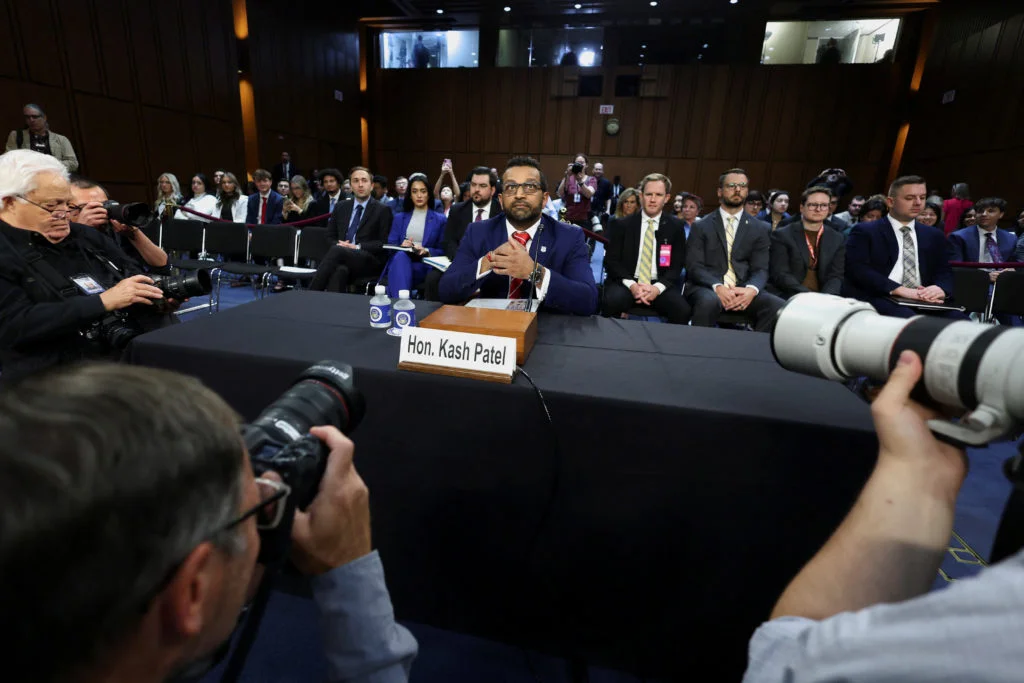
House Judiciary Chair Jim Jordan criticized Senator Adam Schiff during FBI oversight hearings, while Kash Patel defended the FBI's actions amid scrutiny over Epstein case and other investigations, highlighting ongoing political tensions and concerns about FBI leadership.
House Judiciary Committee is set to vote on whether to subpoena major banks related to the Epstein case, amidst ongoing political tensions and oversight hearings involving FBI Director Kash Patel and Senator Adam Schiff, with focus on FBI leadership and handling of high-profile investigations.
Kash Patel claims court has barred him from releasing Epstein files, but judges have contradicted this, amid ongoing FBI oversight hearings where he defends his leadership and criticizes political opponents like Adam Schiff.
FBI Director Kash Patel defended his performance during his first oversight hearing, addressing issues such as his handling of the Charlie Kirk suspect case, transparency on Jeffrey Epstein files, and allegations of politicization and retribution within the FBI, amid bipartisan criticism and tense exchanges with senators.