
Florida Executes 77-Year-Old Vietnam Veteran for 1986 Deputy Murder
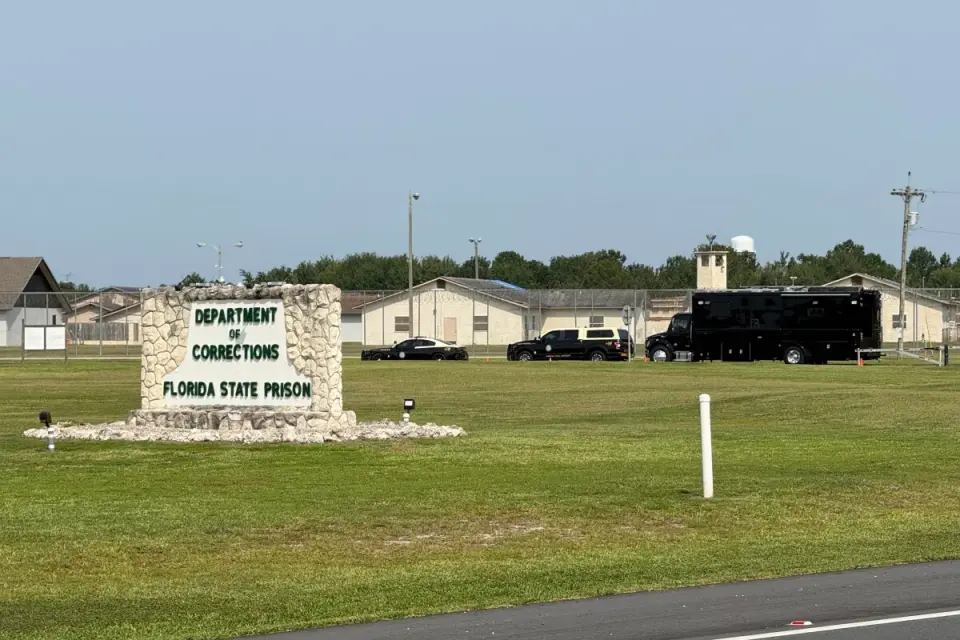
Florida carried out the lethal injection of 77-year-old William Reaves Jr. on October 20, 2026, for the 1986 murder of Indian River County Deputy Richard Raczkowski. This execution marks the 18th in the state this year, continuing a record-breaking pace under Governor Ron DeSantis. Reaves, a Vietnam veteran, had faced a clemency plea from his attorneys and over 100 military veterans, who argued that severe post-traumatic stress disorder (PTSD) was not disclosed to the jury. The state rejected the plea, asserting that justice for the victim’s family required the execution to proceed as scheduled.
Key points
- William Reaves Jr., 77, was executed by lethal injection at Florida State Prison on October 20, 2026.
- Reaves was convicted in 1986 for the murder of Indian River County Deputy Richard Raczkowski.
- This is Florida’s 18th execution of 2026, maintaining a record-breaking pace under Governor Ron DeSantis.
- Over 100 military veterans and Reaves’s attorneys urged clemency, citing severe PTSD not presented to the jury.
- The state rejected clemency, stating the execution was long overdue and necessary for the victim’s family.
Background
Florida’s execution rate has drawn national scrutiny, particularly after Governor DeSantis withdrew the death warrant for 74-year-old William Thompson in October 2026 due to severe dementia, marking his first such cancellation in nearly eight years. That decision followed heightened concerns over capital punishment, including a botched execution in Tennessee. Additionally, Alabama Governor Kay Ivey recently commuted the death sentence of Toforest Johnson for a 1995 deputy murder, citing insufficient direct evidence, highlighting ongoing debates over the reliability of evidence in capital cases.
Why it matters
The execution of William Reaves Jr. underscores the ongoing tension between clemency appeals based on mental health and the state’s commitment to carrying out capital sentences. It also reflects the broader national debate over the fairness and efficacy of the death penalty, particularly in cases involving veterans and those with undisclosed psychological conditions.
What to watch
Florida will continue to process its 2026 execution schedule, with no immediate changes to other scheduled executions. Reaves’s legal team may pursue further appeals or post-execution reviews, though the immediate outcome is final. The state’s record-breaking execution pace is likely to remain a focal point for advocacy groups and legal challenges.
Want the full story? Read the original reporting
Read on AP News