
Kohberger's bid to reverse Idaho plea faces steep legal hurdles
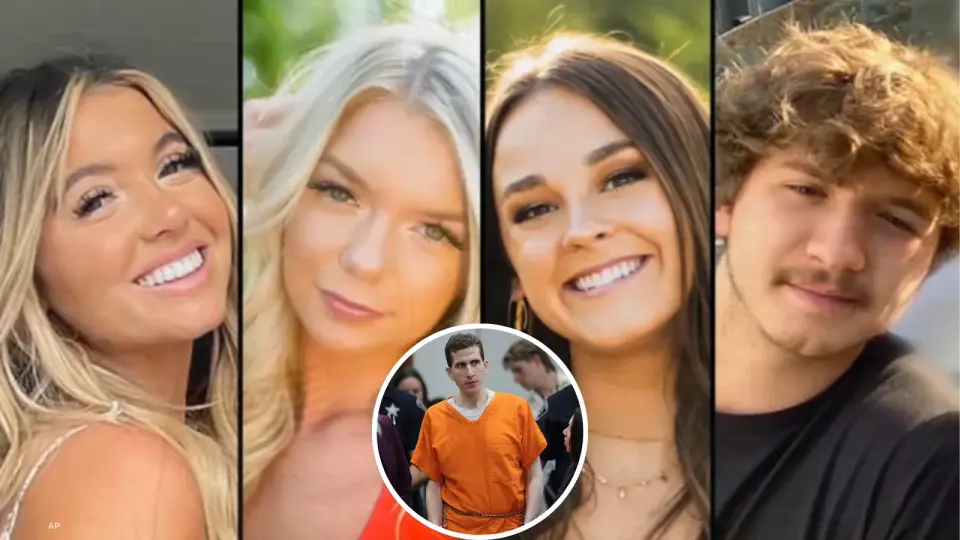
Bryan Kohberger, serving life sentences for the 2022 University of Idaho murders, has filed a petition to withdraw his guilty plea, claiming his lawyers coerced him with false promises. Legal experts describe his chances as 'slim to none' due to his sworn admissions of guilt and the high legal bar for post-sentencing withdrawal. While the move has sparked outrage from victim families, Kohberger maintains his innocence and argues the plea was involuntary.
Key points
- Kohberger filed a post-conviction relief petition in Ada County, alleging his plea was induced by 'false promises' and 'blatant disinformation' from his attorneys.
- He claims his lawyers promised him privileges like immediate contact visits and freedom of movement, and misrepresented the realities of life in prison versus death row.
- Legal experts note that withdrawing a plea after sentencing requires proving 'manifest injustice,' a high standard that is difficult to meet given his previous sworn statements.
- Kohberger waived his right to appeal as part of his plea deal, forcing him to use collateral post-conviction proceedings rather than a standard appeal.
- Victim families, including the family of Kaylee Goncalves, have criticized the move, calling Kohberger a 'narcissist' and noting he previously accepted the plea without complaint.
Background
Kohberger pleaded guilty in July 2025 to avoid the death penalty, which is still enforced in Idaho. He was sentenced to four consecutive life terms without parole. The original murders occurred in November 2022 in Moscow, Idaho, killing four University of Idaho students. This filing follows a period where Kohberger had maintained his innocence while his defense team argued against the charges, only to switch to a guilty plea shortly before jury selection.
How outlets are covering it
CNN and 6abc emphasize the legal difficulty of the move, citing experts who note that Kohberger's sworn, on-the-record admissions of guilt create a strong presumption of truthfulness that is hard to overcome. The New York Times highlights Kohberger's own statements, focusing on his claim of 'actual innocence' and his assertion that the plea was based on 'false promises.' BBC coverage centers on the reaction of the victims' families, who blasted Kohberger for changing his position and argued that his current actions distract from the victims. While all outlets agree the legal bar is high, they differ in emphasis: some focus on the procedural hurdles, while others highlight the emotional fallout and the specific allegations of attorney misconduct.
Why it matters
This case tests the limits of post-conviction relief in high-profile cases where defendants have made sworn admissions. It also raises questions about the role of attorney misconduct in plea bargaining and the potential for new evidence to overturn a conviction. The outcome could have implications for how courts handle claims of ineffective assistance of counsel in capital cases.
What to watch
Kohberger will need to provide 'concrete, credible evidence' to support his claims, such as DNA evidence or cellphone data that could show multiple perpetrators. The case will proceed through post-conviction proceedings, and the court will determine whether his plea was voluntary and informed. The outcome could lead to a retrial or a dismissal of the charges, though experts believe this is unlikely.
- Idaho college murders: Convicted killer Bryan Kohberger wants out of his plea deal. Here's what experts say about his chances 6abc Philadelphia
- Bryan Kohberger, Convicted in Idaho College Killings, Seeks to Take Back Guilty Plea The New York Times
- 'A narcissist': Family hit out as Bryan Kohberger challenges conviction for Idaho murders BBC
- Bryan Kohberger wants out of his plea deal. Here’s what experts say about his chances CNN
- Bryan Kohberger seeks to withdraw guilty plea in University of Idaho murders: Court documents ABC News - Breaking News, Latest News and Videos
Want the full story? Read the original reporting
Read on 6abc Philadelphia