
DNA Matches Close 1974 Utah Cold Case, Linking Melissa Smith’s Death to Ted Bundy
Summit County authorities officially closed the 1974 murder case of 17-year-old Melissa Ann Smith on October 27, 2026, attributing her death to serial killer Ted Bundy. The resolution relied on Y-STR DNA profiles from Smith’s autopsy matching evidence from the 2026 closure of another Bundy victim, Laura Ann Aime. This marks the second Utah cold case linked to Bundy closed this year, utilizing advanced genotyping technology introduced in 2023 to analyze degraded samples. While investigators confirmed Bundy’s involvement based on DNA, pattern, motive, means, and opportunity, they noted that other potential victims, such as Nancy Wilcox, remain under investigation. Smith’s family, who no longer reside in Utah, were notified of the breakthrough.
Key points
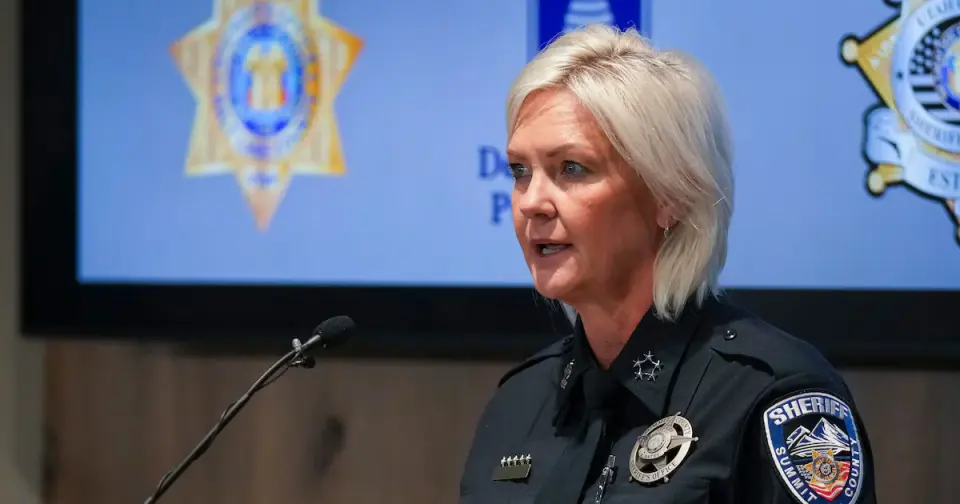
- Summit County Sheriff Kacey Bates announced the formal closure of the Melissa Ann Smith case on October 27, 2026, the 52nd anniversary of her body’s discovery.
- Investigators used Y-STR DNA profiles from Smith’s autopsy to match evidence from the 2026 resolution of Laura Ann Aime’s case, confirming Bundy’s involvement.
- The breakthrough relied on genotyping technology adopted in 2023, which allows for full DNA profiles from degraded or mixed samples that older methods could not analyze.
- Summit County Attorney Margaret Olson stated that DNA evidence, combined with pattern, motive, means, and opportunity, established Bundy’s responsibility for Smith’s murder.
- Investigators emphasized that the closure of Smith’s case does not end the broader investigation into Bundy’s potential victims, including Nancy Wilcox, Susan Curtis, and Deborah Smith.
Background
In April 2026, Utah authorities closed the cold case of Laura Ann Aime, a 17-year-old whose body was found in American Fork Canyon in 1974, using DNA evidence to link her death to Ted Bundy. This breakthrough prompted investigators to compare DNA from Aime’s case with evidence from other unresolved Utah cases, including Melissa Ann Smith’s. Smith, the daughter of Midvale Police Chief Louis S. Smith, went missing on October 18, 1974, and her body was found nine days later in Summit Park near Park City. Although Bundy was suspected in 1976, the case remained open for over 50 years due to lack of definitive evidence. Bundy was executed in Florida in 1989 after confessing to at least 30 murders, though his exact victim count remains debated.
How outlets are covering it
The Salt Lake Tribune highlighted the emotional impact on Smith’s family, noting that her mother died in 2024 and her sister in 2014, with remaining relatives outside Utah expressing gratitude for the resolution. The Guardian emphasized the significance of preserving evidence over decades, quoting Salt Lake County Sheriff Rosie Rivera on the ability to revisit cases with new technology. KUTV focused on the collaborative effort between multiple sheriff’s offices and the Utah State Crime Lab, highlighting the role of late Summit County Sheriff’s Lieutenant Alan Siddoway, who died in October 2026. KSL stressed the ongoing work to solve other Bundy-linked cases, such as Nancy Wilcox, while cautioning against prematurely attributing all unsolved cases to Bundy. All sources agreed on the DNA match but differed in emphasis: Tribune on family closure, Guardian on forensic preservation, KUTV on inter-agency cooperation, and KSL on continued investigation.
Why it matters
The closure of the Melissa Ann Smith case demonstrates the effectiveness of advanced DNA technology in solving decades-old cold cases, providing closure for families and strengthening Bundy’s victim count. It underscores the importance of preserving evidence and inter-agency collaboration in criminal investigations. Additionally, it highlights the ongoing efforts to resolve other potential Bundy victims, ensuring that justice is pursued even after the perpetrator’s death. The case also serves as a model for other jurisdictions in leveraging modern forensic tools to address historical crimes.
What to watch
Investigators will continue to work on other potential Bundy victims, including Nancy Wilcox, Susan Curtis, and Deborah Smith, using the same DNA comparison methods. Authorities plan to share findings with the FBI and other states to ensure comprehensive resolution of Bundy-related cases. The Utah Department of Public Safety may explore further applications of genotyping technology for other cold cases. Families of unresolved victims may receive updates as new evidence is analyzed, potentially leading to additional case closures.
- The 1974 death of a Midvale teen has been solved. Serial killer Ted Bundy did it, authorities say. The Salt Lake Tribune
- DNA links serial killer Ted Bundy to 1974 murder of Utah girl The Guardian
- DNA evidence confirms Ted Bundy killed Utah teen Melissa Anne Smith in 1974 KUTV
- Utah Investigators Link Teenager’s 1974 Death to Ted Bundy The New York Times
- Ted Bundy tied to 1974 Utah cold case homicide KSL
Want the full story? Read the original reporting
Read on The Salt Lake Tribune