
Idaho Victims' Family Condemns Kohberger's Plea Withdrawal as 'Narcissistic' Move
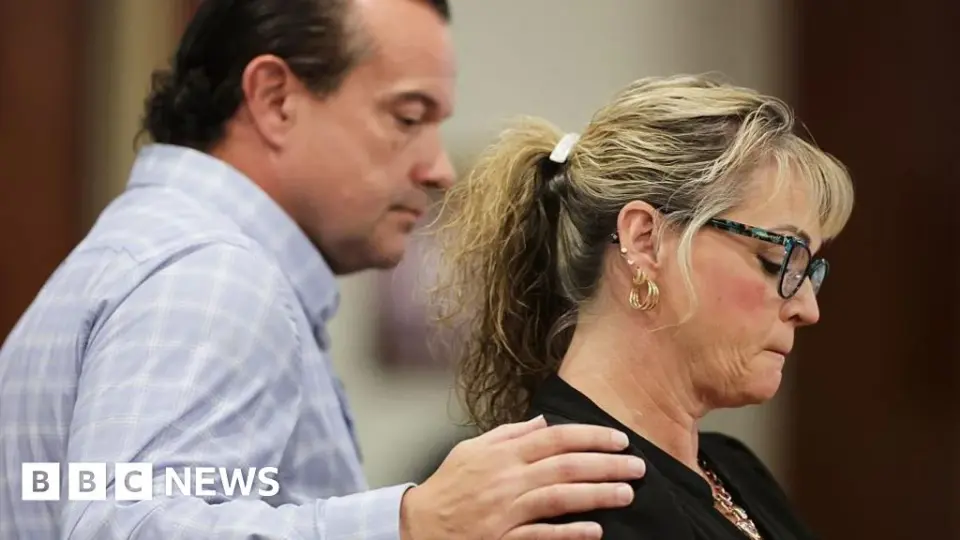
Bryan Kohberger, convicted of the 2022 University of Idaho murders, has moved to withdraw his guilty plea, claiming it was based on false promises. The family of victim Kaylee Goncalves criticized this action as narcissistic, noting he previously accepted the deal to avoid the death penalty. Legal experts deem the withdrawal unlikely due to his prior sworn statements, while Idaho officials reaffirm their commitment to justice.
Key points
- Kohberger told the New York Times he is reversing his guilty plea, which secured four consecutive life sentences in exchange for avoiding the death penalty.
- The family of Kaylee Goncalves labeled Kohberger a 'narcissist' for changing his stance, arguing he never previously claimed the plea was involuntary or based on disinformation.
- Kohberger alleges the plea rested on 'false promises and blatant disinformation,' offering prosecutors a chance to seek the death penalty if they wish.
- Legal experts, including Sam Newton of the University of Idaho College of Law, state that withdrawing a voluntary plea after sentencing is extremely difficult without proof of serious procedural errors.
- Idaho Attorney General Raúl Labrador stated his office is ready to ensure justice is carried out, acknowledging the pain caused to the victims' families by this new development.
Background
Bryan Kohberger was sentenced in 2025 to four consecutive life terms without parole after pleading guilty to the November 2022 stabbing deaths of four University of Idaho students in Moscow, Idaho. The victims were Kaylee Goncalves, Ethan Chapin, Xana Kernodle, and Madison Mogen. Previous coverage in July 2026 indicated Kohberger had filed for post-conviction relief, citing ineffective assistance of counsel and coercion, though legal analysts noted the high bar for overturning such a plea. The current development marks a public escalation of these claims through media statements.
Why it matters
This case highlights the complexities of post-conviction relief in high-profile criminal cases where defendants attempt to reverse voluntary guilty pleas. It underscores the tension between legal procedural rights and the emotional impact on victims' families, as well as the strict legal standards courts apply to prevent the destabilization of final judgments.
What to watch
Kohberger's petition for post-conviction relief will proceed through the Ada County court system. Prosecutors may decide whether to pursue the death penalty if the plea is withdrawn, though this is unlikely given the legal hurdles. The court will evaluate whether the plea was truly voluntary and informed, as required by Idaho law for manifest injustice claims.
Want the full story? Read the original reporting
Read on BBC