
Space Force Operationalizes Commercial Satellite Reserve with Six New SDA Contracts
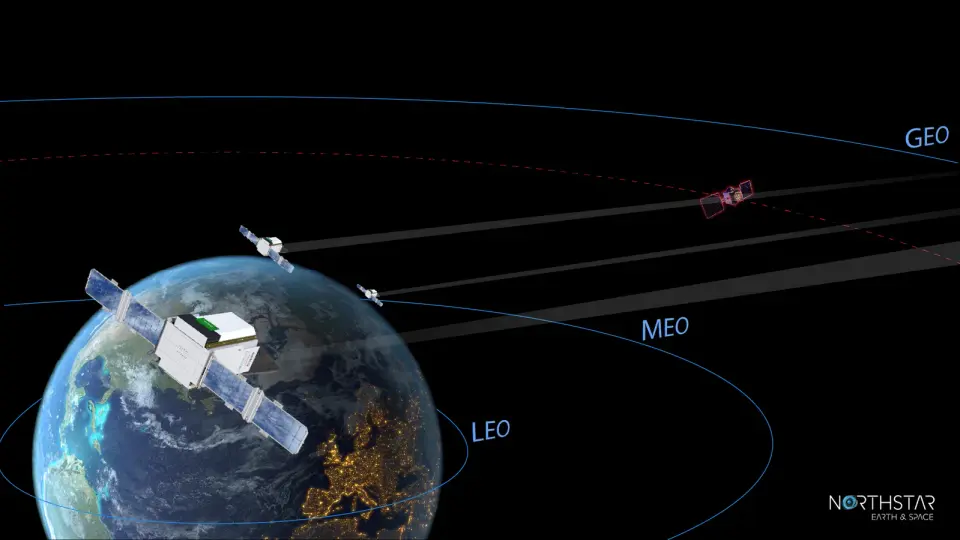
The U.S. Space Force has officially operationalized its Commercial Augmentation Space Reserve (CASR) by awarding six purchase agreements to commercial firms for Space Domain Awareness (SDA) surge capabilities. This move establishes a backup network of trusted commercial satellites to support military operations during crises, building on earlier pilot efforts and wargames. The initiative aims to enhance resilience by integrating commercial data with government systems, with initial focus on SDA before expanding to communications and other areas.
Key points
- Space Systems Command awarded six purchase agreements under the ACCESS Contract framework on October 22, 2026, to establish the initial CASR SDA surge capability.
- The selected companies are Anduril, Intrack, Slingshot, LeoLabs, EOS (Australia), and Northstar (Canada), all of which currently work with the Joint Commercial Operations Cell.
- The program is voluntary for industry partners holding active Department of War contracts, allowing them to provide agreed-upon capabilities during periods of increased demand.
- Initial contract values are low and undisclosed, with funding to be adjusted based on operator demand; the program is described as iterative and open to new entrants.
- Future CASR mission areas may include commercial satellite communications, launch services, and telemetry, tracking, and command.
Background
This development follows a 2022 pilot phase involving four unnamed companies with 90-day contracts worth $1.1 million, followed by wargames to test integration. It aligns with broader Space Force efforts to diversify surveillance, such as the recent GHOST-R awards to Northrop Grumman and True Anomaly for geosynchronous reconnaissance prototypes, and the deployment of new AMTI and GMTI constellations to replace aircraft-based surveillance. The CASR concept mirrors the Air Force’s Civil Reserve Air Fleet, leveraging commercial assets for military use during crises.
How outlets are covering it
SpaceNews reported the awards but required registration for full details, highlighting the program’s significance. The Defense Watch focused on the separate GHOST-R program, noting its 2028 launch targets and distinct funding from the Andromeda contract pool, which is not the same as CASR. Space Systems Command emphasized the 'first-of-its-kind' integration of mature commercial capabilities, stressing resilience and responsiveness. Air & Space Forces Magazine provided the specific names of the six selected companies and noted the iterative, non-static nature of the reserve, with officials indicating that contract terms and strategies will vary by company and mission.
Why it matters
The CASR program enhances the U.S. military’s ability to maintain space domain awareness during crises by leveraging commercial infrastructure, reducing reliance on government-only systems. It provides a scalable, cost-effective approach to augmenting surveillance capabilities, with potential expansion to other mission areas, strengthening overall space operational resilience.
What to watch
The Space Force will monitor operator demand to adjust funding and contract terms, evaluate additional commercial-integration opportunities in other mission areas, and potentially expand the CASR vendor pool as new companies prove themselves as trusted partners.
- Space Force taps six companies to provide satellite surveillance backup SpaceNews
- Space Force Selects Northrop Grumman, True Anomaly for New Orbital Reconnaissance Satellites The Defense Watch
- SSC Awards CASR Agreements to establish Commercial SDA Surge Capability Space Force — Space Systems Command (.mil)
- Space Force Picks Six Companies for Commercial Reserve Fleet Air & Space Forces Magazine
- Space Force Stands Up Target Tracking Squadron to Operate New Sensing Satellites National Defense Magazine
Want the full story? Read the original reporting
Read on SpaceNews