
Kerr County faces severe second-year flood damage with delayed federal aid and reduced philanthropic support
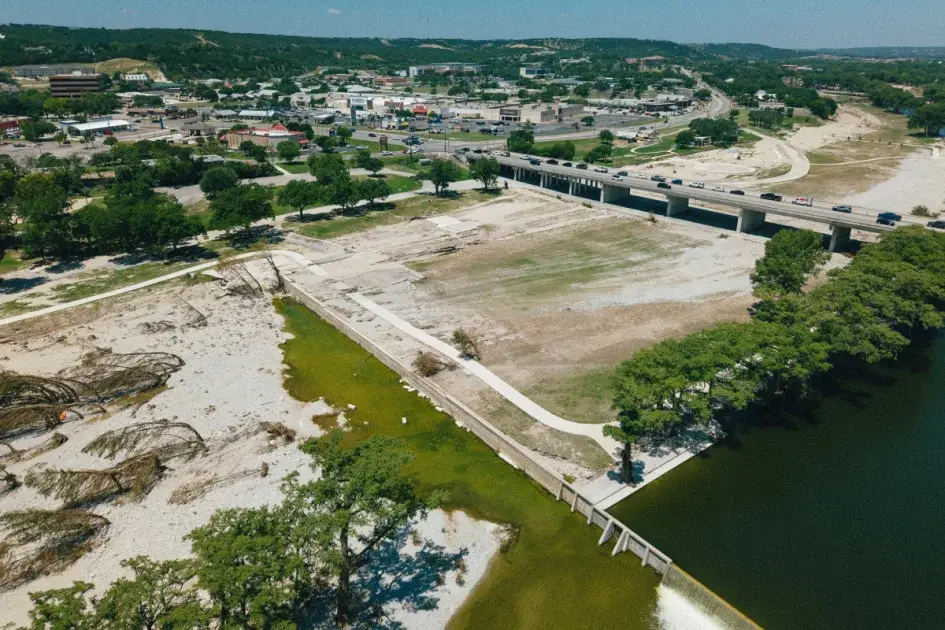
Kerr County, Texas, suffered significant infrastructure and residential damage from July 2026 floods, with destruction levels exceeding those of the 2025 disaster. Despite the scale of the damage, federal individual assistance remains unapproved, and philanthropic resources are lagging compared to the previous year, leaving residents to rely on local volunteers and self-funded repairs.
Key points
- The July 16, 2026, flood caused 47 destroyed structures and 310 majorly damaged homes, surpassing the 353 total major-damage cases from the 2025 flood.
- Kerrville estimated $30 million in infrastructure damage, including water treatment plants and roads, while the county courthouse remains closed due to basement flooding and mold.
- FEMA has not approved Individual Assistance for Kerr County, preventing residents from applying for direct federal financial aid despite a presidential emergency declaration.
- Philanthropic organizations report significantly lower donations and volunteer numbers compared to 2025, citing donor fatigue and reduced national media attention.
- Local groups like LiftFund and Samaritan’s Purse are providing emergency support, but demand exceeds available resources, with 250 small businesses seeking grants within three days.
Background
This event follows the catastrophic July 2025 floods in Kerr County, which killed 119 people and triggered massive national fundraising efforts. The 2026 flood occurred while the region was still recovering from the previous year's disaster, straining existing recovery resources.
How outlets are covering it
The Texas Tribune and The Kerr County Lead emphasize the severity of the damage and the lack of federal and philanthropic support, highlighting resident frustration. WOAI focuses on the bureaucratic delay in FEMA Individual Assistance, noting that while an emergency declaration was issued, direct aid for homeowners remains pending. All sources agree that the 2026 flood, though less deadly, has caused more structural damage than 2025, but the response has been less robust due to reduced visibility and donor fatigue.
Why it matters
The delayed federal aid and reduced philanthropic support threaten the long-term recovery of Kerr County, potentially exacerbating economic losses and leaving vulnerable residents without adequate resources to rebuild. This highlights the challenges of repeated disasters in the same region and the importance of sustained support beyond initial media attention.
What to watch
Residents are encouraged to submit damage assessments via the Texas Division of Emergency Management’s iSTAT tool to support federal aid requests. FEMA is expected to review the state’s documentation, but the timeline for approval remains uncertain. Local organizations continue to provide emergency assistance, but resources are stretched thin.
- “Where are all the volunteers?” Kerr County faces worse flood damage with fewer resources The Texas Tribune
- 'We’re stuck’: Homeowners wait for federal disaster aid to be approved WOAI
- Kerr County officials still taking stock of damage from latest flood expressnews.com
- County worries about getting FEMA help for individuals, reports on any damage needed to make case for aid dailytimes.com
- Kerr County flood damage exceeds 2025 major-damage totals as courthouse recovery drags on The Kerr County Lead
Want the full story? Read the original reporting
Read on The Texas Tribune