
Southwest Floods: Arizona Declares Emergency as Colorado Rivers Crest
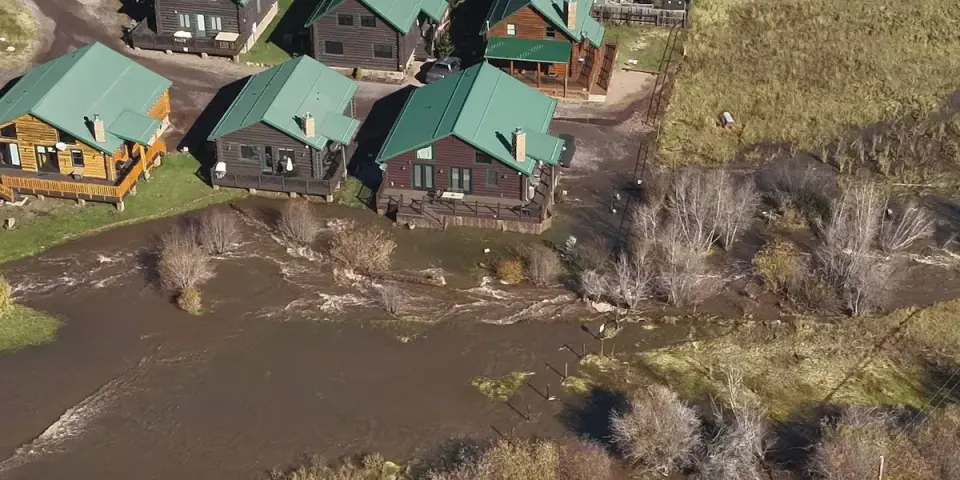
Heavy rainfall across the U.S. Southwest has triggered widespread flooding, prompting emergency declarations in Arizona and severe infrastructure damage in Colorado. Governor Katie Hobbs declared a state of emergency in seven Arizona counties and tribal lands to release $200,000 in aid. In Colorado, the San Juan River in Pagosa Springs reached a record 22-foot crest, surpassing the 1911 high, while Durango faced mudslides and evacuations. Over 20 trillion gallons of rain have fallen in the region in two weeks, leaving residents to clean up mud and debris as waters recede.
Key points
- Gov. Katie Hobbs declared a state of emergency in Apache, Coconino, Gila, Greenlee, Navajo, Pinal, and Yavapai counties, plus several tribal lands, to access $200,000 in emergency funds.
- Maricopa County declared a local emergency for unincorporated areas after receiving 1 to 8 inches of rain, with higher elevations seeing the most precipitation.
- In Pagosa Springs, Colorado, the San Juan River reached a record 22-foot crest, surpassing the previous 1911 record of 17.8 feet, causing significant damage to homes and businesses.
- Durango and La Plata County experienced severe flooding, with Junction Creek overflowing and forcing evacuations of multiple mobile home parks and residential areas.
- Former NOAA chief scientist Ryan Maue calculated that over 20 trillion gallons of rain have fallen on the Four Corners states and Nevada in the past two weeks.
- Two people were found dead in Flagstaff, Arizona, after floodwaters swept through the area over the weekend, while one death was reported in Colorado with a second suspected weather-related death.
Background
This event follows a week of severe flooding in the Southwest, as noted in our November 2 archive, where Prescott, Arizona, and Southwest Colorado faced initial emergency declarations. The current crisis is part of a broader pattern of extreme weather linked to a record-breaking El Niño, which formed in September 2026 and has prompted concerns about U.S. preparedness for compounding climate impacts. The recent nor'easter in the Northeast also highlighted the nation's uneven response to severe weather events.
How outlets are covering it
AZFamily focuses on the official response in Arizona, highlighting Governor Hobbs' emergency declaration and the specific counties and tribal lands affected, emphasizing the allocation of emergency funds for recovery. WRAL/AP provides a broader regional view, quantifying the total rainfall at 20 trillion gallons and detailing the human impact in Colorado, such as the loss of homes in Durango and the cleanup efforts in Pagosa Springs. The Durango Herald offers granular details on the local crisis in Colorado, including specific road closures, evacuation orders for mobile home parks, and the unprecedented 22-foot crest of the San Juan River, contrasting with the more general overview in the other sources.
Why it matters
The flooding underscores the increasing frequency and severity of extreme weather events in the U.S. Southwest, exacerbated by climate change and El Niño conditions. The record-breaking rainfall and river crests highlight the vulnerability of infrastructure and communities in arid regions to sudden, intense precipitation. The emergency declarations and resource allocations indicate a significant strain on local and state governments, with long-term recovery efforts likely to be costly and time-consuming. The deaths and displacement of residents emphasize the human toll of these events, raising questions about preparedness and resilience in the face of climate-related disasters.
What to watch
As floodwaters recede, residents in affected areas will begin cleanup and recovery efforts, which could take weeks or longer. State and local agencies will continue to clear roads and repair infrastructure, with emergency funds being allocated to support these efforts. The focus will shift from immediate rescue operations to long-term recovery and rebuilding, with potential federal assistance sought by affected communities. Monitoring of river levels and weather conditions will remain critical to prevent further flooding or secondary disasters.
- Flooding prompts state of emergency declarations in Arizona AZ Family
- ‘Devastating’ Damage as Hard Rains and Flash Floods Batter the Southwest The New York Times
- Receding floodwaters leave a sea of mud and shattered homes in the US Southwest WRAL
- 'We are stuck': Residents of small Arizona community stranded after flooding washes out only bridge 12News
- Heavy rainfall prompts evacuations, road closures across Southwest Colorado Durango Herald
Want the full story? Read the original reporting
Read on AZ Family