Tag

Climate

All articles tagged with #climate

Record El Niño sets stage for warm, wet, and volatile winter across US
weather1 day ago

Record El Niño sets stage for warm, wet, and volatile winter across US

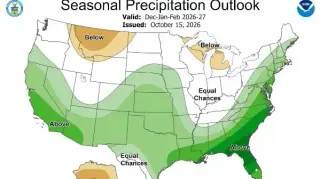
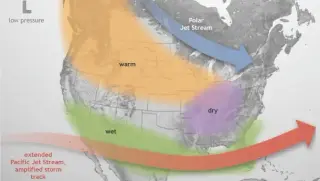
The 2026-27 winter is being shaped by the strongest El Niño on record, which is expected to bring warmer temperatures to the northern US and increased precipitation to the South and West Coast. While this pattern typically reduces snowfall in some areas, it significantly raises the risk of flooding and extreme rainfall. A recent polar vortex disruption may cause brief cold snaps, but the overall seasonal trend remains warm and wet.
Super El Niño Drives 2027 Price Risks and Coastal Crisis
economy2 days ago

Super El Niño Drives 2027 Price Risks and Coastal Crisis

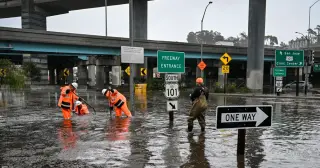
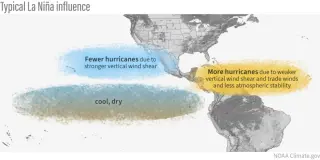
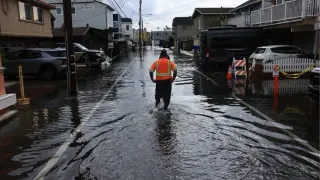
A record-breaking El Niño is expected to raise U.S. consumer prices by up to 1% in 2027, primarily affecting food and core services. While the event suppresses Atlantic hurricane activity in 2026, its transition to La Niña next year could trigger a much busier storm season. Meanwhile, California faces severe coastal erosion and flooding, prompting a state of emergency.

COP31 Draft Drops Fossil Fuel Language, Sparking Global Outrage
climate3 days ago

COP31 Draft Drops Fossil Fuel Language, Sparking Global Outrage

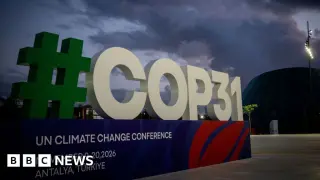
A final draft agreement from the COP31 climate summit in Antalya, Turkey, omits any mention of fossil fuels or a transition away from them, despite previous global commitments. The text, released by Turkish President Murat Kurum, includes a target to increase electrification to 35% by 2035 and sets a goal for carbon capture, but excludes language on phasing out oil, coal, and gas. This omission has triggered fierce objections from developing nations and the EU, leading to a deadlock as negotiators struggle to reach consensus before the summit's extended deadline.

COP31 brinkmanship: Third draft risks collapse as fossil fuel and funding disputes persist
climate3 days ago

COP31 brinkmanship: Third draft risks collapse as fossil fuel and funding disputes persist

A third draft agreement at the COP31 climate summit in Antalya, Turkey, failed to resolve critical disputes over fossil fuel phase-outs and climate finance, leaving talks on the verge of collapse. While the text acknowledges the missed 1.5C warming target and references past commitments to reduce fossil fuels, it lacks explicit language on phasing them out and specific funding figures for adaptation. Co-hosts Turkey and Australia hope the compromise will bridge divides, but developing nations and the EU remain dissatisfied, with the risk of negotiations suspending until next year if consensus is not reached by Sunday morning.

Storms threaten Thanksgiving travel on both U.S. coasts
weather3 days ago

Storms threaten Thanksgiving travel on both U.S. coasts

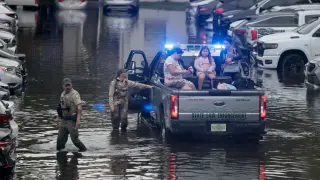
Multiple storms are expected to disrupt Thanksgiving travel across the U.S. West and East coasts. Heavy rain, wind, and snow may cause delays and cancellations. San Francisco Mayor Daniel Lurie advised residents to avoid non-essential travel due to high tides and rain. Florida continues to face flooding from recent storms. Forecasters warn that atmospheric rivers and King tides could exacerbate conditions through the holiday week.

COP31 Deadlock Deepens as Panama and EU Reject Draft Stripping Fossil Fuel Language
climate3 days ago

COP31 Deadlock Deepens as Panama and EU Reject Draft Stripping Fossil Fuel Language

COP31 negotiations in Antalya, Turkey, have stalled in a deadlock after the second draft of the final agreement removed all references to phasing out fossil fuels. Panama and a coalition of European nations, including France, are threatening to block the deal, arguing that the text fails to address the root cause of the climate crisis. Meanwhile, developing nations are protesting the removal of specific financial commitments for adaptation, while the summit’s co-presidents argue the text reflects the maximum achievable consensus.

Mars Polar Dunes Create Forest Illusions via Seasonal CO2 Ice Sublimation
science4 days ago

Mars Polar Dunes Create Forest Illusions via Seasonal CO2 Ice Sublimation

A 2008 image from NASA’s Mars Reconnaissance Orbiter shows dark streaks on northern polar dunes that resemble a forest. This visual illusion is caused by seasonal carbon dioxide ice sublimation, which destabilizes sand and creates gullies mimicking tree trunks. The phenomenon is temporary, disappearing as the ice sublimates and winds redistribute the sand.

Panama Threatens to Block COP31 Deal Over Missing Fossil Fuel Exit Strategy
climate4 days ago

Panama Threatens to Block COP31 Deal Over Missing Fossil Fuel Exit Strategy

COP31 in Antalya, Türkiye, faces a potential deadlock as Panama threatens to block the final agreement over the removal of fossil fuel transition language. The draft deal, which dropped references to phasing out oil and gas, has drawn sharp criticism from developing nations and experts, while agribusiness lobbying and finance disputes further complicate negotiations.

COP31 Draft Sets Ambitious Carbon Capture Targets Amidst Record Lobbyist Presence
climate7 days ago

COP31 Draft Sets Ambitious Carbon Capture Targets Amidst Record Lobbyist Presence

The first draft of the COP31 agreement in Antalya, Turkey, includes ambitious targets for carbon capture and storage (CCUS) and carbon dioxide removal (CDR), aiming for 500 million tonnes of CO2 captured by 2035. This move follows a UN acknowledgment that the world will likely overshoot 1.5C warming. While proponents argue these technologies are essential to reverse temperature rises, critics warn that the record 700 CCUS lobbyists at the summit risk delaying fossil fuel phaseouts and diverting funds from renewable energy.

Record-Breaking El Niño Drives Warmer, Wetter 2026-27 Winter Outlook for New York
weather8 days ago

Record-Breaking El Niño Drives Warmer, Wetter 2026-27 Winter Outlook for New York

NOAA declares the current El Niño 'very strong,' the highest intensity category, with a 60% chance of becoming the strongest on record. For New York, this signals a 50-60% probability of above-normal temperatures from December 2026 to February 2027. While eastern New York faces increased precipitation risks, western and central regions show equal chances for normal rainfall. Experts warn that warmer conditions may reduce snowpack in the Pacific Northwest but could still allow for significant snowstorms in the Northeast.

El Niño reaches 'very strong' status with 60% chance of becoming historic
climate9 days ago

El Niño reaches 'very strong' status with 60% chance of becoming historic

NOAA’s Climate Prediction Center has classified the current El Niño as 'very strong,' the highest intensity level, matching only three previous events since 1950. There is a 60% probability it will exceed those historic benchmarks. The event is expected to peak in late 2026 or early 2027, potentially driving global temperatures to near-record levels and causing extreme weather through spring 2027. While a transition to La Niña is possible by mid-2027, El Niño will dominate U.S. weather patterns for the next several months, influencing storm tracks and precipitation across the country.

COP31 in Antalya: Journalists describe grueling coverage as UN chief warns climate finance gap widens
climate9 days ago

COP31 in Antalya: Journalists describe grueling coverage as UN chief warns climate finance gap widens

The 31st UN climate conference in Antalya, Turkey, has drawn 70,000 delegates amid intense diplomatic negotiations. While journalists report extreme exhaustion and logistical hurdles, UN Secretary-General António Guterres warned that current trends leave global climate finance $840 billion short of targets. New initiatives aim to mobilize $10 billion for emerging markets, though fossil fuel phase-outs remain unresolved.

El Niño Hits Peak Intensity, With Record-Breaking Odds Rising to 60%
climate9 days ago

El Niño Hits Peak Intensity, With Record-Breaking Odds Rising to 60%

NOAA has classified the current El Niño as 'very strong,' the highest intensity level on its scale, matching only three previous events since 1950. The pattern is expected to peak in late 2026 or early 2027, with a 60% chance of exceeding historical records. Impacts, including extreme heat and heavy rainfall, will persist into 2027, potentially raising global temperatures to near-record levels. A transition to La Niña is possible by late 2027, which could influence future hurricane activity.