
U.S.-Canada trade talks intensify as 50% tariff deadline looms
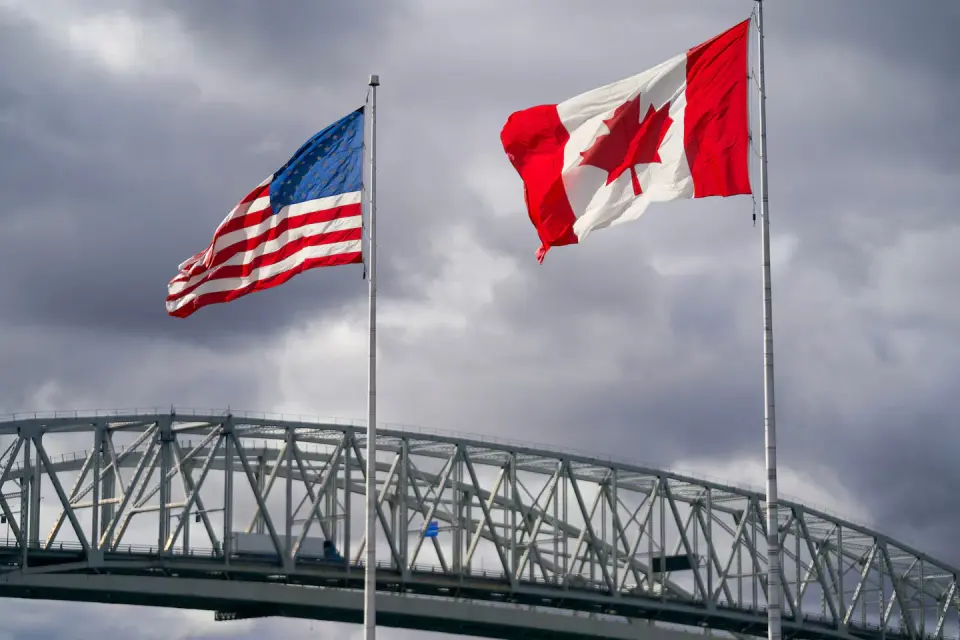
U.S. and Canadian negotiators are racing to reach a deal before 50% tariffs on Canadian goods take effect on August 19. While industry sources suggest progress, U.S. officials warn against retaliation, and Canadian leaders remain skeptical of U.S. concessions on dairy and auto sectors.
Key points
- 50% tariffs on hundreds of Canadian products, including wine and cement, are set to take effect at 12:01 a.m. on August 19, 2026.
- U.S. Trade Representative Jamieson Greer stated the administration will not tolerate Canadian retaliation, framing the move as a global trade policy rather than a specific dispute.
- Canadian Prime Minister Mark Carney is pushing for a deal that addresses not only the new 50% levies but also existing sectoral tariffs on autos and steel.
- Industry sources indicate the U.S. offered a proposal to lower some sectoral tariffs, but Canadian officials are unsatisfied with the degree of reduction.
- Bloc Québécois leader Yves-François Blanchet warned that the U.S. has become 'more greedy' and urged the government not to compromise on the supply management system for dairy.
Background
This dispute is the latest escalation in a year-long trade conflict that has disrupted the previously harmonious U.S.-Canada relationship. Previous tensions included threats of 100% tariffs on Canadian goods in January 2026 and Canada's subsequent pivot toward trade deals with China and India. The current standoff also occurs against the backdrop of broader U.S. protectionist policies, including recent tariffs on drones and a rebranding of economic policy to support the 2028 political coalition.
How outlets are covering it
The Washington Post reports that industry executives and trade specialists believe the two nations are inching closer to a deal to avert the punitive 50% tariffs. In contrast, CBC News highlights a more adversarial tone from U.S. Trade Representative Jamieson Greer, who characterized Canadian retaliatory measures, such as liquor bans, as actions 'China would do' and warned that Washington will not tolerate retaliation. The Globe and Mail offers an analytical perspective, arguing that Prime Minister Mark Carney holds a 'strong hand' due to high domestic approval ratings and a resilient economy, while President Trump faces a 'weak hand' due to declining approval ratings and economic pressures ahead of U.S. elections. This suggests a potential power imbalance in the negotiations, despite the U.S. administration's tough public stance.
Why it matters
The outcome of these negotiations will determine the future of the North American trade deal, potentially impacting $2 trillion in trade and hundreds of thousands of jobs. A failure to reach a deal could lead to a 'cliff-type' moment where political appetite for continued talks evaporates, potentially forcing Canada to further diversify its trade relationships away from the U.S. and toward partners like China and India.
What to watch
U.S. and Canadian leaders are expected to be presented with 'options' for a path forward before the August 19 deadline. If a deal is not reached, the 50% tariffs will take effect, likely triggering further retaliatory measures from Canada and potentially accelerating the breakdown of the CUSMA agreement.
- U.S., Canada race for deal to avert Trump’s threat of 50 percent tariffs The Washington Post
- Trump trade rep says Washington 'not going to tolerate' retaliation as tariff deadline looms cbc.ca
- Trump’s Tariffs Force Some Canadian Companies to Consider Moving South The New York Times
- Canada Must End Retaliation to Avoid New Tariffs, Greer Says Bloomberg.com
- Opinion: In the trade war showdown, it’s strong-hand Carney vs. weak-hand Trump The Globe and Mail
Want the full story? Read the original reporting
Read on The Washington Post