
economic-policy19 min read
BLS Revisions Reveal 178,000 Fewer Jobs in Trump’s First Year
2 months ago•Source: The Washington Post
View original source
The latest economic policy stories, each synthesized from multiple sources with added background and context.

Canada announced retaliatory tariffs of up to 50% on approximately 700 U.S. products, effective September 8, in response to new U.S. levies. The move deepens a trade dispute between the two nations, with analysts warning of potential price increases for American consumers on goods like dairy, alcohol, and auto parts.

The Washington Post•3 months ago
The Washington Post•3 months ago

The U.S. national debt is projected to exceed $40 trillion this week, months ahead of previous forecasts. This acceleration is driven by billions in lost revenue from invalidated tariffs and increased borrowing. Consequently, the next debt-limit confrontation may occur during the lame-duck session later this year, forcing Congress to act before the November 3 elections.

U.S. and Canadian negotiators are racing to reach a deal before 50% tariffs on Canadian goods take effect on August 19. While industry sources suggest progress, U.S. officials warn against retaliation, and Canadian leaders remain skeptical of U.S. concessions on dairy and auto sectors.

American consumers are increasingly adopting cost-cutting strategies, such as DIY projects and reduced savings, to cope with persistent inflation. While aggregate spending remains robust, individual households report tightening budgets due to high fuel prices and the ongoing Iran conflict. Experts note that inflation is now outpacing wage growth, creating a 'belt-tightening' environment where discretionary spending is delayed in favor of essential goods.

The U.S. Treasury Department has permanently repealed the rule requiring domestic businesses to report their beneficial owners to federal financial-crimes investigators. Treasury Secretary Scott Bessent stated that the mandate placed an undue burden on American enterprises. While the repeal eliminates reporting requirements for U.S. companies, foreign entities and pooled investment vehicles must still disclose foreign ownership details. The Treasury will delete all previously collected data on U.S. business owners.

The White House has restarted its effort to remove Federal Reserve Governor Lisa Cook, sending her a letter dated August 5 that gives her 21 days to respond to unproven mortgage fraud allegations. This move follows a June Supreme Court ruling that blocked an earlier firing attempt, emphasizing the Fed's independence. Cook's attorneys have dismissed the claims as baseless, while the administration cites the court's requirement for a formal response process.

The Federal Reserve kept interest rates unchanged for a fifth consecutive meeting, maintaining the benchmark rate at approximately 3.6%. Chair Kevin Warsh resisted pressure to hike rates despite inflation exceeding the 2% target for over five years. Three officials dissented in favor of a rate increase, signaling internal division. Warsh emphasized that reducing inflation will take time and cannot be achieved quickly, while markets reacted with rising bond yields and falling stocks.

House Speaker Mike Johnson aims to move a stopgap funding bill to avert a government shutdown and a $95 billion package for the Pentagon, farmers, and election security before August recess, but intra-party divisions and Trump-aligned voting restrictions complicate passage ahead of the November midterms.

The Trump administration will impose tariffs on goods from roughly 60 trading partners, including the EU, China, Japan and Britain, citing insufficient prohibitions on forced labor; tariffs range from about 10% to 12.5% depending on the country, marking a broad expansion of the U.S. tariff regime after a Section 301 review and a Supreme Court ruling invalidating earlier tariffs.
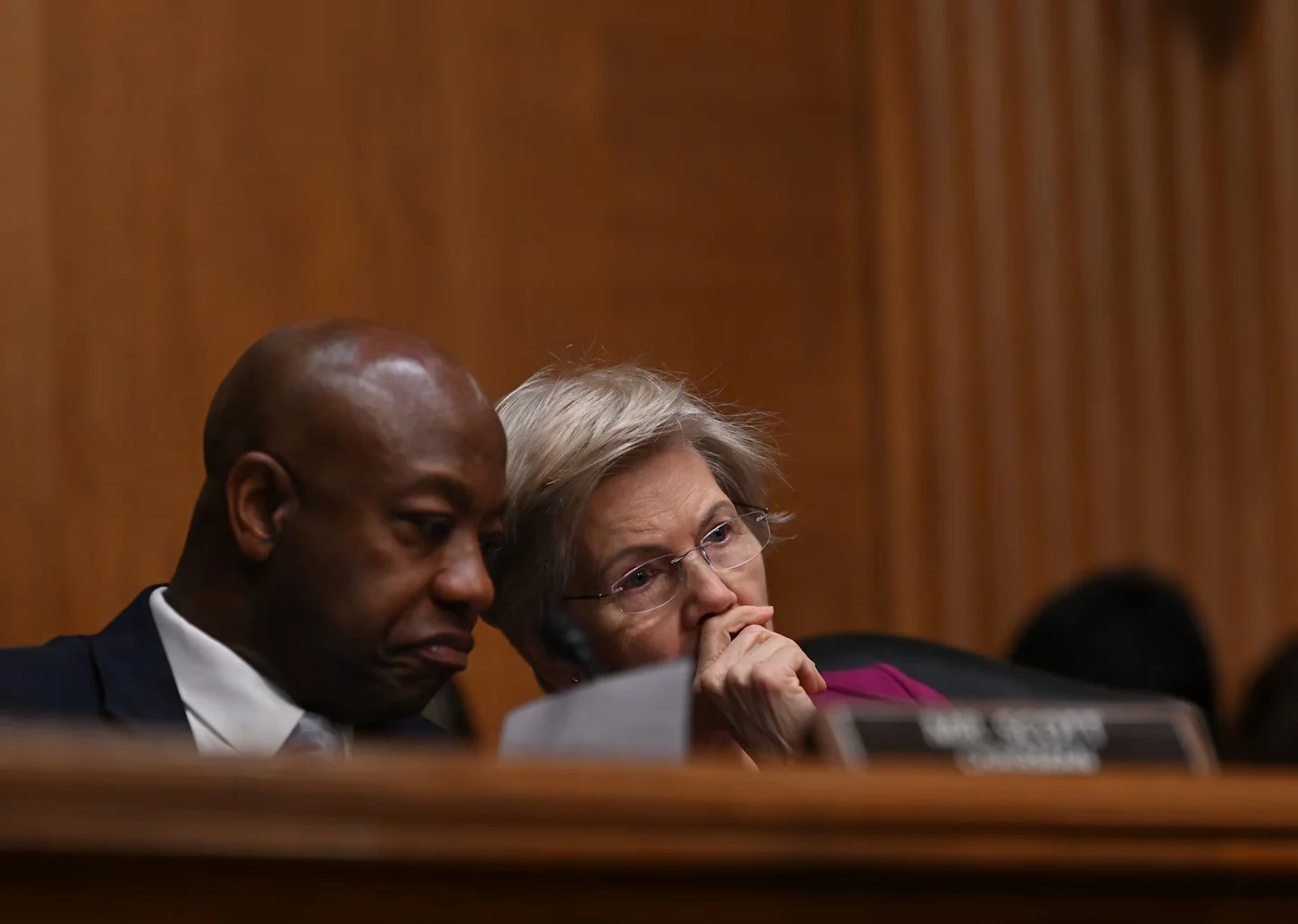
The U.S. Senate is nearing passage of a White House-backed, bipartisan package to lower housing costs, featuring new grants and a ban on large institutional investors from buying hundreds of homes in an effort to boost affordability ahead of the midterm elections.
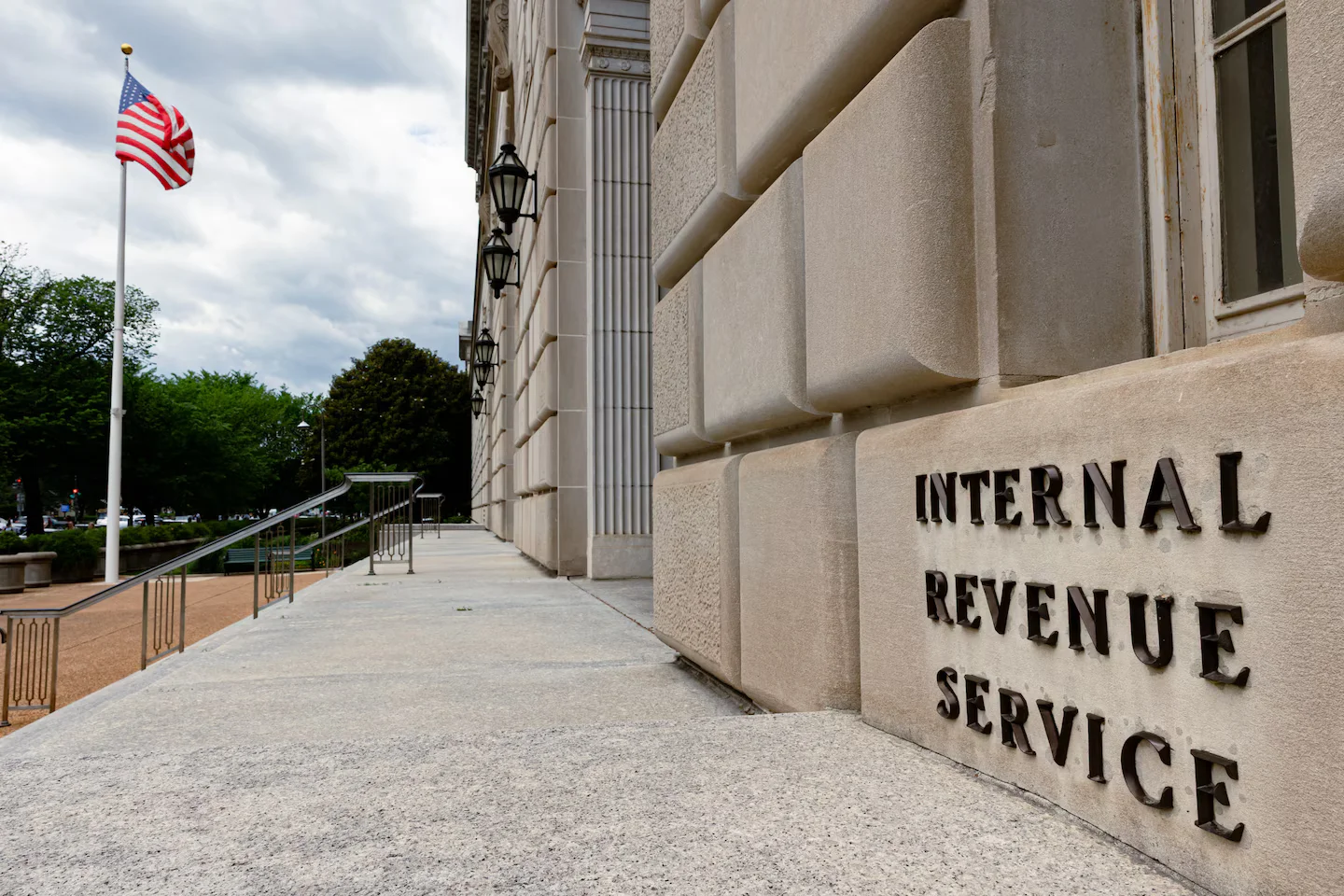
A federal judge found the IRS violated federal law roughly 42,695 times by sharing confidential taxpayer addresses with DHS immigration authorities in a data-sharing agreement last summer, highlighting privacy and legal concerns over IRS data handling.