
Chicago's $55 Billion Debt Crisis Rooted in Pension Holidays, Meter Leases, and Misconduct Payouts
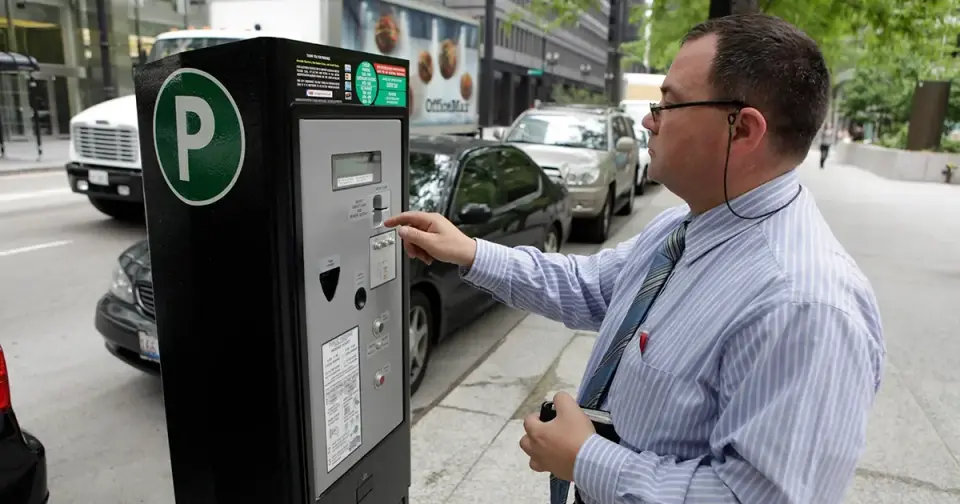
Chicago faces a $55 billion debt crisis driven by three major historical decisions: a 2005 pension holiday, a 2008 parking meter lease, and unresolved police misconduct lawsuits. These choices prioritized short-term political ease over long-term fiscal stability, leaving the city with limited discretionary funds and ongoing service cuts.
Key points
- The city owes $55 billion, comprising $19 billion in loan repayments and $36 billion in pension liabilities, which consumes nearly a quarter of its $16.6 billion budget.
- In 2005, Mayor Richard M. Daley secured a 'pension holiday' allowing the city to skip contributions to four pension funds, a move that laid the groundwork for current deficits.
- In 2008, the city leased parking meters for 75 years to raise $1.5 billion, avoiding a property tax hike but resulting in $2.2 billion in revenue for investors by 2025.
- From 2019 to 2025, the city paid nearly $730 million to resolve lawsuits alleging police misconduct, with 2026 alone seeing over $277 million in settlements.
- Mayor Brandon Johnson has urged the council to borrow an additional $481 million to cover further misconduct lawsuits, including cases involving former detective Reynaldo Guevara.
Background
Chicago's fiscal strain has worsened recently, leading to the resignation of Chief Financial Officer Ashlee Gabrysch in November 2026 due to integrity concerns over financial reporting. The city now relies on borrowing to fund operations, as discretionary spending is limited to one-third of the budget. Essential services, including mental health clinics and lead poisoning response, have deteriorated, resulting in injury lawsuits and public health failures.
How outlets are covering it
ProPublica and WTTW News co-published the analysis, identifying three specific 'financial sins' that exacerbated the debt. While both outlets agree on the core figures, they emphasize the political expediency behind each decision. ProPublica highlights the long-term consequences of avoiding property tax hikes, noting that elected officials across the spectrum now agree the 2008 meter lease was a poor choice. WTTW News provides the data analysis on misconduct payouts, detailing how specific officers like Reynaldo Guevara have cost taxpayers more than any other, including former Commander Jon Burge. The sources do not disagree on facts but differ in emphasis: ProPublica focuses on the structural debt, while WTTW News details the operational impact on services and personnel costs.
Why it matters
The $55 billion debt limits Chicago's ability to fund essential services, forcing reliance on borrowing for operations. The crisis highlights the long-term costs of short-term political decisions, such as pension holidays and meter leases, which have created a cycle of deficits and service cuts. As the city faces further lawsuits and pension obligations, the financial strain threatens public safety and infrastructure, requiring difficult choices between raising taxes or cutting services.
What to watch
Mayor Brandon Johnson has requested $481 million in new borrowing to cover misconduct lawsuits, including $260.8 million for 17 people wrongfully convicted based on evidence from Reynaldo Guevara. The city must also address an $11 billion cost to reach the 90% funded level for pension funds by 2055 and 2058. The 2027 budget faces a temporary hole due to disputes over the use of a $75 million payment from the sale of the parking meter contract. Future decisions will likely involve balancing property tax increases against service cuts, as the city continues to manage its massive debt load.
Want the full story? Read the original reporting
Read on ProPublica