
Florida Property Tax Cuts to Take Effect in 2027 as Local Budgets Face $12 Billion Shortfall
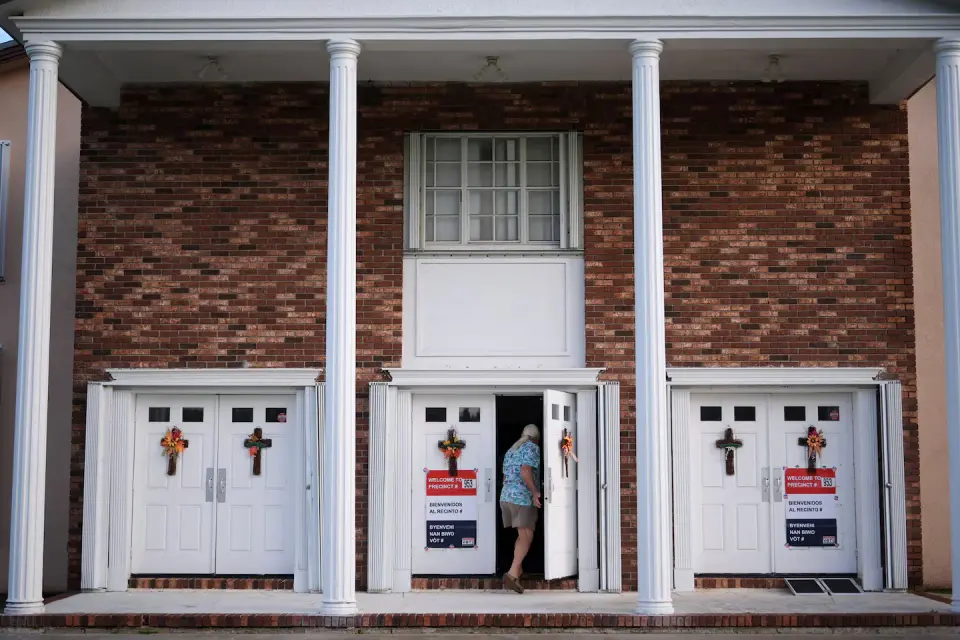
Florida voters approved Amendment 3, which will expand the non-school homestead property tax exemption from $50,000 to $150,000 in 2027 and $250,000 in 2028. While homeowners will see significant savings, local governments face an estimated $12 billion revenue loss, leading to immediate cuts in public services across the state.
Key points
- Amendment 3 passed with 62% of the vote, expanding the non-school homestead exemption to $150,000 in 2027 and $250,000 in 2028, adjusted for inflation thereafter.
- The measure is estimated to reduce revenue for Florida cities and counties by more than $12 billion annually, forcing local governments to slash budgets.
- School district taxes remain unaffected by the amendment, meaning homeowners will continue to pay the largest portion of their property tax bills to schools.
- New out-of-state buyers who establish Florida residency after December 31, 2026, face a five-year wait before qualifying for the expanded exemption.
- Local communities are already implementing cuts, including canceled events, reduced park services, and potential employee salary reductions of up to 20%.
Background
Amendment 3 was a signature priority of Governor Ron DeSantis and required a 60% supermajority to pass. The measure follows a broader national trend of tax resistance, similar to California’s Prop 13 and Kansas’s 2012 tax cuts, which led to service reductions. Florida’s vulnerability to climate change, including hurricanes and rising sea levels, has intensified concerns that reduced public funding could compromise infrastructure and emergency services.
How outlets are covering it
The American Prospect criticizes the amendment as 'abject stupidity,' arguing that tax cuts will cripple public services at a time when Florida faces severe climate risks. The Sun Sentinel provides a neutral breakdown of the financial impact, noting that while homeowners will save, local governments must absorb the loss. The Washington Post highlights the human impact, reporting on food pantries in communities like Safety Harbor that are already feeling the strain of reduced public funding.
Why it matters
The amendment will reshape Florida’s local governance by forcing cities and counties to choose between cutting essential services, raising other fees, or reducing employee compensation. It also highlights the tension between individual tax relief and collective public funding, particularly in a state highly vulnerable to climate disasters.
What to watch
Homeowners will see the first expanded exemptions on their 2027 tax bills. Local governments are expected to finalize budget cuts in the coming months, and legal challenges to the five-year residency requirement for new buyers may emerge soon.
- Florida voted to cut property taxes. Cities are already feeling the pain. The Washington Post
- Florida Officials Face Defunding Police Due to Amendment 3 Newsweek
- Florida Voters to Floridians: Drop Dead The American Prospect
- Three things for homeowners to know after Amendment 3 passed Sun Sentinel
- Jacksonville City Council to delve into Amendment 3 impacts Florida Politics
Want the full story? Read the original reporting
Read on The Washington Post