
US Bans Canadian Alcohol and Motorcycles as Trade War Escalates
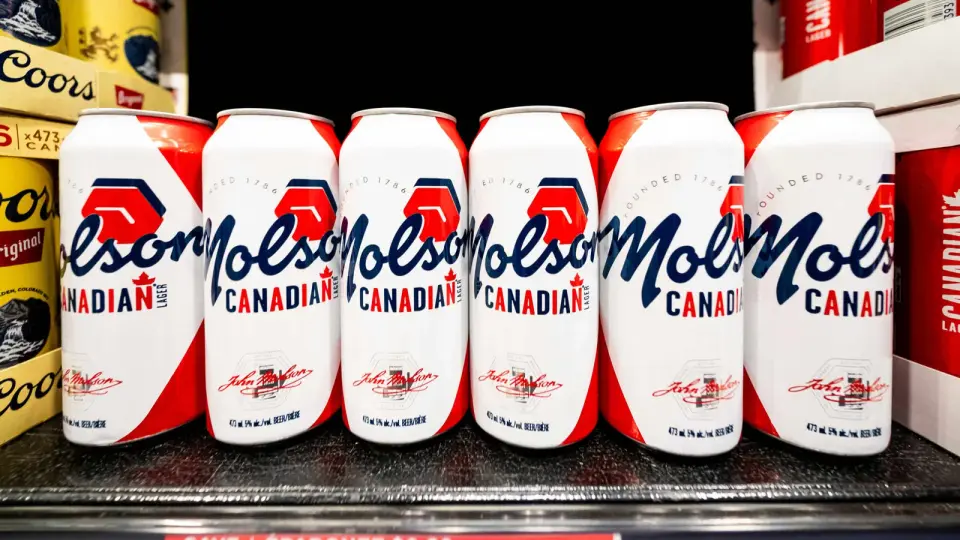
The U.S. has announced a ban on imports of Canadian alcohol, dairy, and motorcycles, effective September 29, 2026. This move follows Canada’s implementation of retaliatory tariffs on $27.6 billion of U.S. goods. While both sides accuse the other of discriminatory practices, the dispute threatens to disrupt $715.5 billion in bilateral trade, prompting Canada to seek closer ties with the European Union.
Key points
- The White House issued executive orders banning imports of Canadian whey, molasses, non-alcoholic beer, spirits, and larger-capacity motorcycles starting September 29, 2026.
- These bans replace previous 50% tariffs and are described by U.S. Trade Representative Jamieson Greer as a response to Canada’s discriminatory treatment of American exports.
- Canada implemented 'dollar for dollar' retaliatory tariffs on CA$27.6 billion of U.S. imports, affecting over 700 products including furniture, appliances, and agricultural equipment.
- U.S. spirits exports to Canada fell by more than 70% year-on-year from March to December 2025, according to the Distilled Spirits Council of the United States.
- Canadian Prime Minister Mark Carney is pivoting toward closer trade and security ties with the European Union as relations with Washington deteriorate.
Background
This escalation follows the collapse of trade negotiations in August 2026, which led to initial 50% U.S. tariffs on approximately $20 billion of Canadian goods. Earlier in 2026, Canadians began shifting consumer behavior away from U.S. products, and both nations had warned that the dispute could raise prices for everyday items like dairy and paper. The current measures represent a significant hardening of positions after failed diplomatic efforts to reach a deal before the August 21 deadline.
How outlets are covering it
CNBC and The New York Times emphasize the structural shift in the relationship, noting that Carney is actively seeking alternatives to U.S. trade, specifically with the EU. National Review characterizes the U.S. actions as a 'runaway trade war' driven by presidential will, noting frustration among White House advisers. AP News focuses on the specific product categories affected, such as dairy and motorcycles. All sources agree that the dispute is driven by mutual accusations of unfair practices, but they differ on the likelihood of resolution; CNBC cites legal experts warning of ongoing uncertainty, while The New York Times highlights Canada's strategic pivot away from the U.S.
Why it matters
The conflict affects a small portion of the $715.5 billion total goods trade but poses immediate risks to small and medium-sized businesses on both sides of the border. The bans and tariffs introduce compliance costs and supply chain disruptions, potentially leading to higher consumer prices and reduced economic growth. The political dimension is significant, as the dispute has become a flashpoint for domestic policy, with U.S. distillers and Canadian businesses facing severe revenue losses.
What to watch
The U.S. import bans take effect on September 29, 2026, while Canadian tariffs are already in effect. Trump has threatened additional 50% tariffs on cars and auto parts starting January 1, 2027. Canada is expected to deepen ties with the EU, and both sides will monitor whether the current measures lead to further escalation or a negotiated de-escalation.
- U.S. reveals import ban on slew of Canadian goods as trade war escalates CNBC
- US banning dairy products, most alcohol and motorcycles from Canada in growing trade war AP News
- Canada’s Carney Doubles Down on Pivot Away from the United States The New York Times
- Trump is banning Canadian alcohol, dairy, and motorcycles starting Sept. 29 qz.com
- Trump’s Runaway Trade War nationalreview.com
Want the full story? Read the original reporting
Read on CNBC