
DOJ Accuses Berkeley Law of Deliberate Racial Discrimination in Admissions
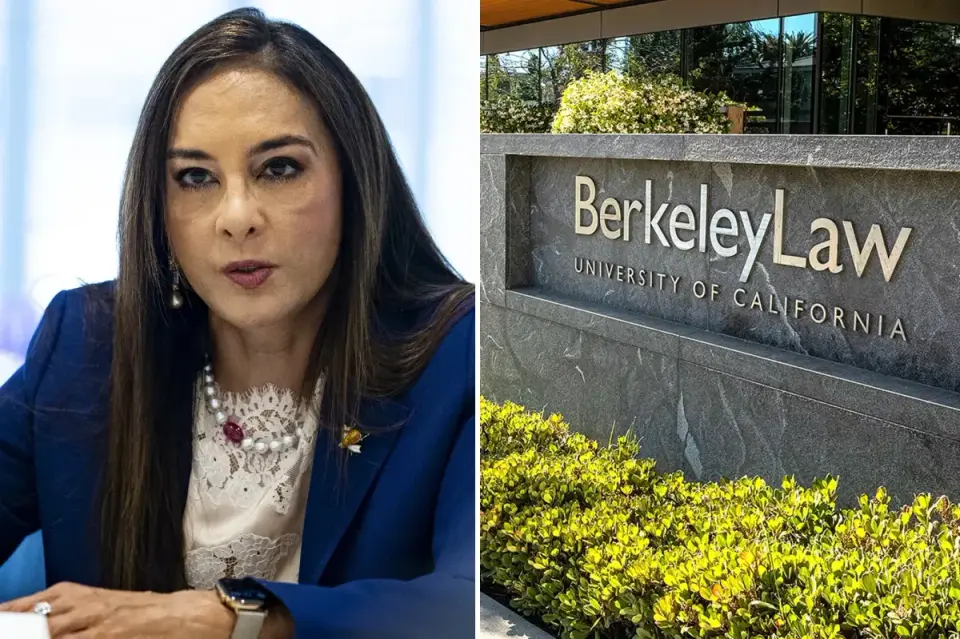
The U.S. Department of Justice has concluded that UC Berkeley School of Law intentionally discriminated against white and Asian applicants in favor of Black candidates for the 2024 and 2025 classes. The finding, issued by Civil Rights Division head Harmeet Dhillon, cites statistical disparities in LSAT scores and public comments by Dean Erwin Chemerinsky suggesting the school used 'proxies' for race to circumvent federal bans. While the DOJ seeks a voluntary compliance agreement, Berkeley officials deny any racial preference, asserting strict adherence to Proposition 209 and merit-based selection. This action follows similar findings against UCLA and UC San Diego medical schools and occurs amid broader federal scrutiny of higher education admissions practices.
Key points
- DOJ Civil Rights Division found Berkeley Law violated federal civil rights laws by discriminating against white and Asian applicants in 2024 and 2025 admissions.
- Data analysis showed Black applicants had 5.8 times higher odds of admission than comparable white applicants in 2025, with median LSAT scores roughly five points lower than admitted white and Asian students.
- DOJ cited Dean Erwin Chemerinsky's public remarks about using 'proxies for race' and 'unstated affirmative action' as evidence of intent to circumvent the Supreme Court's 2023 ruling.
- The DOJ is seeking a voluntary resolution agreement to bring admissions practices into compliance, threatening litigation if the university refuses to cooperate.
- UC Berkeley and Dean Chemerinsky rejected the findings, stating the school scrupulously complies with Proposition 209 and does not consider race in admissions decisions.
Background
This development follows a series of federal investigations into University of California campuses, including findings against UCLA and UC San Diego medical schools in 2026. The broader context includes the Supreme Court's 2023 decision striking down race-conscious admissions and California's 1996 Proposition 209, which bans racial preferences in public institutions. Recent IRS proposals to revoke tax exemptions for schools using race-based criteria have also heightened scrutiny of higher education compliance.
How outlets are covering it
The DOJ, led by Harmeet Dhillon, characterized the findings as evidence of 'deliberate discrimination' and a 'complete disregard for the rule of law,' citing specific statistical disparities and Chemerinsky's past comments. In contrast, UC Berkeley and Dean Chemerinsky firmly denied the allegations, asserting that the law school adheres strictly to merit-based admissions and Proposition 209, and that diversity pursuits do not equate to racial preferences. The Los Angeles Times noted the DOJ's reliance on application prompts and internal emails as evidence, while The Daily Californian emphasized the joint announcement with the Department of Education. The California Post highlighted the potential impact on federal funding, noting Berkeley receives over $369 million from the Department of Education.
Why it matters
The DOJ's findings against Berkeley Law signal an intensified federal effort to enforce race-neutral admissions standards across higher education, potentially setting precedents for other institutions. The case highlights ongoing tensions between diversity initiatives and federal civil rights laws, with implications for university funding, legal liability, and the future of affirmative action in academic settings. It also underscores the broader political and legal battles surrounding race-conscious policies in the post-Supreme Court era.
What to watch
The DOJ is seeking a voluntary resolution agreement with UC Berkeley to ensure compliance with federal laws. If no agreement is reached, the department may pursue litigation. The university has pledged to provide evidence of its compliance, and the outcome could influence admissions practices at other institutions facing similar scrutiny.
- UC Berkeley Law intentionally discriminated against white, Asian applicants: Feds New York Post
- Trump Administration Accuses Berkeley Law School of Racial Discrimination The New York Times
- DOJ finds Berkeley Law illegally practiced DEI in admissions in favor of Black applicants Daily Cal
- DOJ Finds Berkeley Law School Admissions Racially Discriminatory Bloomberg.com
- UC Berkeley law school illegally weighed race in admissions, Justice Department alleges Los Angeles Times
Want the full story? Read the original reporting
Read on New York Post