
Judge Carter Blocks DOJ Bid to Segregate 20,000 California Ballots, Citing Election Chaos
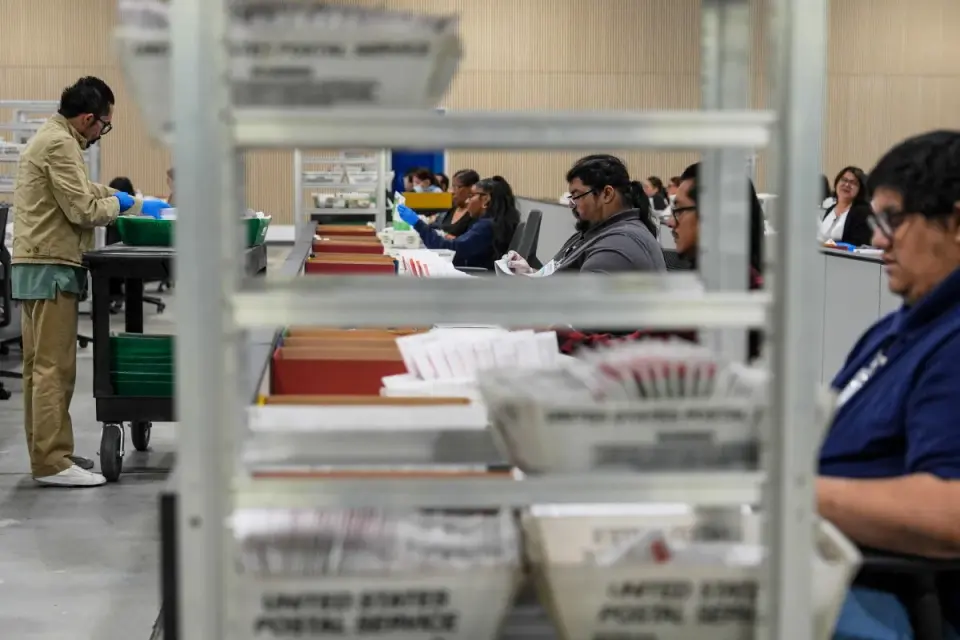
U.S. District Judge David O. Carter rejected the Trump administration’s emergency request to segregate up to 20,000 mail-in ballots in California, ruling that such an action would violate the National Voter Registration Act and disrupt the ongoing midterm election. The Justice Department, led by First Assistant U.S. Attorney Bill Essayli, argued that these ballots likely belonged to noncitizens and must be verified before counting. Carter countered that the federal government already possesses prosecutorial tools to address illegal voting and that segregating ballots at this stage would disenfranchise eligible voters and create logistical chaos. The ruling follows a failed attempt by the DOJ to bypass the district court via the 9th Circuit, where judges questioned the merits of the administration’s claims. While the DOJ has vowed to appeal, election experts view the decision as a significant victory for state control over elections, noting that the administration’s data has been criticized as unreliable and its timing as politically motivated to influence the balance of power in Congress.
Key points
- Judge Carter ruled that segregating ballots would violate the National Voter Registration Act’s 90-day quiet period and risk disenfranchising U.S. citizens.
- The DOJ claimed a list of 20,000 voters were likely noncitizens, but California officials argue the data is riddled with errors and includes many U.S. citizens.
- Carter emphasized that the federal government can use its existing prosecutorial powers, citing 28 recent indictments for illegal voting, rather than disrupting state election processes.
- The 9th Circuit Court of Appeals previously rejected the DOJ’s attempt to expedite the case, with two judges expressing skepticism about the lawsuit’s merits.
- The DOJ has filed a similar request in Washington state and faces related legal challenges in Alaska, all targeting states with pivotal congressional races.
Background
This dispute follows a series of earlier legal battles in October 2026, where the Trump administration attempted to intervene in state-run elections in California, Washington, and Alaska. Previous coverage highlighted that the DOJ’s data on noncitizen voters was widely criticized as unreliable, with local officials noting that a significant portion of the flagged individuals were either not on voter rolls or were U.S. citizens. The administration’s aggressive pre-election legal strategy, including the appointment of Bill Essayli as interim U.S. Attorney in California, has drawn scrutiny for its departure from traditional prosecutorial norms and its focus on politically charged cases.
How outlets are covering it
AP News and NBC News emphasize the legal and constitutional dimensions of the ruling, highlighting Judge Carter’s focus on state sovereignty and the availability of prosecutorial alternatives. CNN adds detail on the DOJ’s data-matching methods, noting that the list was delivered via thumb drive with a handwritten password, and that local officials found many names to be inaccurate. The Guardian provides a broader context on Bill Essayli’s tenure, describing his office’s aggressive, politically motivated prosecutions as a departure from DoJ norms, and noting that his position remains legally contested due to his lack of Senate confirmation. While all sources agree on the outcome, they differ in emphasis: AP and NBC focus on the immediate legal ruling, CNN on the procedural flaws in the DOJ’s data, and The Guardian on the systemic implications for the integrity of the U.S. Attorney’s office.
Why it matters
The ruling reinforces the principle that states, not the federal government, control election procedures, particularly in the final weeks before an election. It sets a precedent against using federal power to disrupt state-run elections based on unverified data, potentially influencing similar challenges in other states. The decision also highlights the tension between federal enforcement of election laws and the protection of voter rights, with the DOJ’s appeal likely to test the limits of federal authority in the 9th Circuit and beyond.
What to watch
The Justice Department has announced it will appeal the ruling, though a previous appeal to the 9th Circuit was rejected as premature. The case may return to the district court or face further legal challenges in the appeals process. Meanwhile, the DOJ continues to pursue similar strategies in Washington state and Alaska, where it seeks to delay certification of votes or sequester ballots. The outcome of these cases could influence the balance of power in Congress and set a precedent for federal intervention in state elections in future cycles.
- Judge denies federal request to segregate California ballots, says it would 'wreak havoc' on voting AP News
- Judge denies feds' request to block 20,000 California ballots in blistering opinion Yahoo
- Federal judge warns Trump administration’s bid to set aside 20,000 California mail ballots would ‘wreak havoc’ CNN
- Judge declines to block California from counting alleged noncitizen voters’ ballots in DOJ lawsuit NBC News
- The pro-Trump prosecutor trying to stop California ballots from being counted The Guardian
Want the full story? Read the original reporting
Read on AP News