
Harvard study links school phone bans to modest gains in student test scores
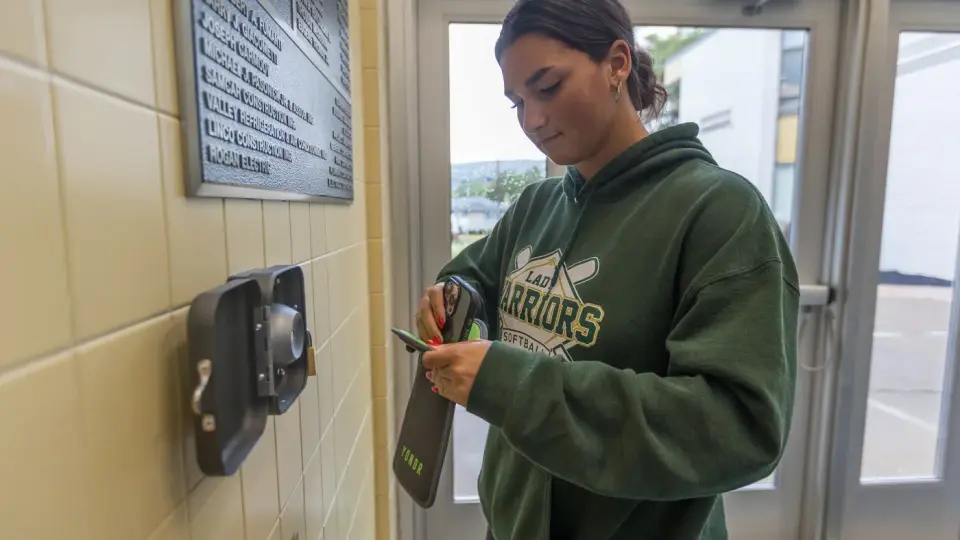
A new Harvard-led study finds that locking student phones in pouches during school hours yields small but statistically significant improvements in math and reading scores, potentially offsetting half of the learning losses observed since 2013. While the gains are modest, they appear to persist over time and remain cost-effective for schools.
Key points
- Between 2013 and 2024, U.S. eighth-grade math and reading scores declined by roughly one grade equivalent, coinciding with the widespread adoption of smartphones.
- The study, involving 3.3 million students across 4,600 schools, found that strict phone bans using lockable pouches restored 1-2 weeks of learning annually.
- The benefits were consistent across elementary, middle, and high schools, as well as across different poverty levels and prior achievement levels.
- The gains did not fade after the first year, continuing through at least the third year of implementation.
- The cost of the pouches is approximately $25 per student, which researchers argue is less than the cost of additional instructional time.
Background
U.S. student test scores began a sustained decline around 2013, a trend that continued through the pandemic. While some blamed school closures, data indicates the decline began years earlier. The rise of smartphone ownership among teens, which went from under 25% in 2011 to 95% in 2018, has been cited as a potential contributing factor to this drop in academic performance.
How outlets are covering it
The new study by Harvard’s Center for Education Policy Research, Dartmouth, and NWEA contrasts with an earlier April study by the University of Michigan, which found 'close to zero' impact on test scores. The April study used school-level mean scores, while the new study utilized more granular student-level data. Critics, including Stanford’s Tom Dee, argue the new findings are 'largely disappointing' and sensitive, while Harvard’s Tom Kane emphasizes the cost-effectiveness of the intervention. The Boston Review offers a broader critique, suggesting the current focus on phone bans is a 'moral panic' with weak causal evidence, noting that similar studies in the UK found little relationship between phone policies and student outcomes.
Why it matters
The findings suggest that a low-cost intervention could help mitigate a significant portion of the learning loss experienced by U.S. students over the past decade. As 45 U.S. states have introduced phone-related policies, understanding the academic impact of these bans is crucial for shaping future education and technology regulations.
What to watch
Researchers plan to study the effects of smartphone and social media use outside of school hours. They also recommend that states track changes in student engagement and mental health following the Meta settlement, which limits access for minors outside of school hours, to better understand the broader impact of digital restrictions.
- Do school cellphone bans work? New study says yes – but it's complicated NPR
- New Evidence Shows School Phone Bans Are Gradually Improving Test Scores The New York Times
- Do school phone bans help students learn? So far, gains are 'modest' 10TV
- Is It the Phones? Boston Review
- U.S. 8th Graders Gradually Lost Equivalent of a Year's Learning Since 2013; New Research Implies In-School Cell Phone Use May Account for Half of the Historical Loss PR Newswire
Want the full story? Read the original reporting
Read on NPR