
US Proposes New Tariffs on 14 Nations; Brazil, China Vow Resistance
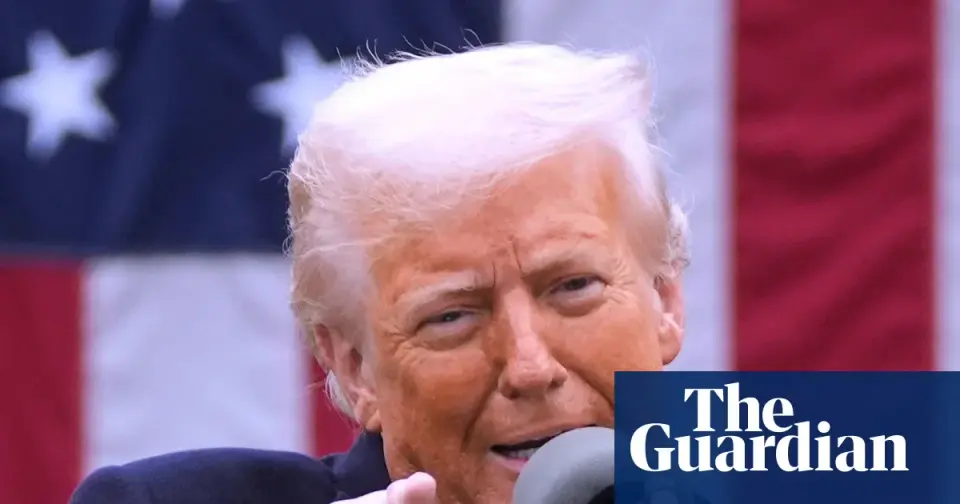
The US Trade Representative proposed new tariffs on 14 major trading partners, including Brazil and China, citing 'unreasonable' trade practices. Brazil called the move 'unacceptable' and vowed not to yield, while China denounced the levies as 'political manipulation.' A public comment period ends in December, with a hearing scheduled for January 2027.
Key points
- The US Trade Representative (USTR) announced proposed tariffs on 14 trading partners on Nov 25, 2026, under a law targeting 'unreasonable or discriminatory' trade practices.
- Brazil faces a proposed 10% tariff on finished aircraft, directly impacting Embraer, and higher duties on sugar. Brazil’s government called the move 'unacceptable' and stated it would not yield to the 'threat.'
- China faces a capped rate of 20%, which could stack to 45% with existing taxes. China’s embassy rejected claims of 'industrial overcapacity' as a pretext for 'political manipulation.'
- The public comment period runs from Nov 27 to Dec 30, 2026. A hearing is scheduled for Jan 14, 2027, with final duties potentially taking effect in Feb or Mar 2027.
- Democratic Senator Ron Wyden, who will lead the finance committee, vowed to use 'every tool' to end what he called 'Trump’s tariffs chaos,' despite Trump’s veto power.
Background
This move follows the 2026 US midterms, where Democrats won a historic majority in the House and Senate, creating a divided government likely to challenge Trump’s trade policies. Earlier in 2026, the US and China reached a trade truce set to expire on Jan 10, 2027. In August 2026, the US suspended beef tariffs from Brazil to lower consumer prices, a move that failed to significantly cut costs and angered rural Republicans.
How outlets are covering it
The Guardian and Al Jazeera emphasize Brazil’s strong diplomatic pushback, with Lula’s office calling the tariffs 'unacceptable' and 'unilateral.' Bloomberg highlights the broader context of Trump’s campaign to restore global import taxes after a Supreme Court ruling. AeroTime focuses on the specific impact on Embraer, noting a 5% drop in shares and the loss of a July 2026 exemption. While the US administration frames the tariffs as a response to 'market distorting practices,' critics like Derek Scissors of the American Enterprise Institute argue the measures are too weak to change China’s trade behavior. China and Brazil both rejected the US rationale, with China calling it 'political manipulation' and Brazil threatening potential retaliatory measures.
Why it matters
The proposed tariffs could significantly disrupt global supply chains and raise costs for US consumers and businesses, particularly in the aerospace and sugar sectors. The strong resistance from major trading partners like Brazil and China signals a potential escalation in trade tensions, especially as the US-China trade truce expires in January 2027. The Democratic-controlled Congress is likely to challenge these tariffs, creating a political battle over US trade policy.
What to watch
The public comment period ends on Dec 30, 2026. A hearing on the proposed tariffs is scheduled for Jan 14, 2027. Final duties are expected to take effect in Feb or Mar 2027. The US-China trade truce is set to expire on Jan 10, 2027. Brazil and other affected nations are expected to continue negotiations and may submit rebuttal comments or pursue retaliatory measures.
- Trump tariff threat ‘unacceptable’, says Brazil, as China denounces levies as baseless The Guardian
- US airlines face higher costs from proposed Embraer duty Reuters
- Brazil Lashes Out at New US Tariffs, Saying It Will ‘Not Yield’ Bloomberg
- Brazil blasts ‘unacceptable’ new US tariff proposals Al Jazeera
- US proposes 10% tariff on Brazilian aircraft, putting Embraer sales at risk AeroTime
Want the full story? Read the original reporting
Read on The Guardian