
Granholm urges Democrats to pass permitting bill despite Trump's wind restrictions
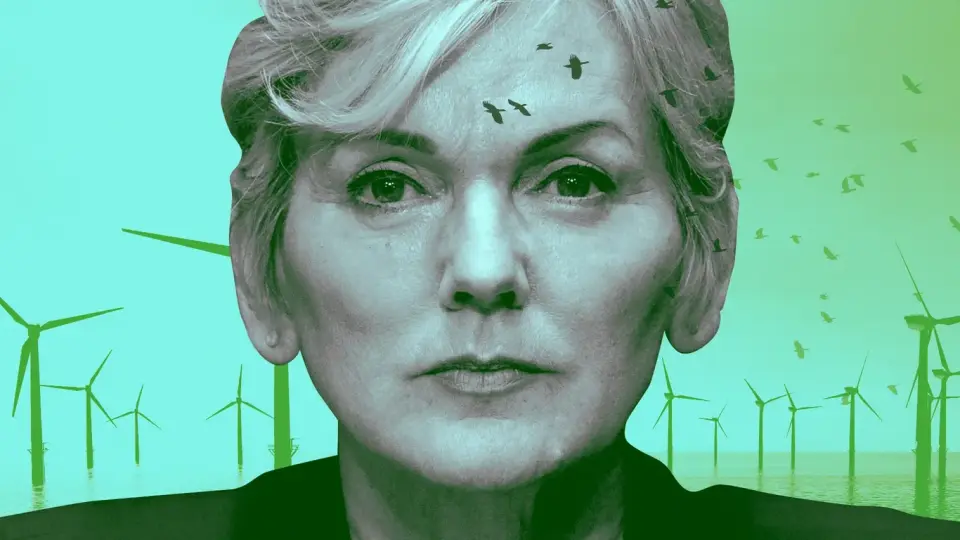
Former Energy Secretary Jennifer Granholm is urging Democrats to pass the Bipartisan American Affordability and Jobs Act (BAAJA) before the next Congress, warning that President Trump's restrictions on wind energy could derail the deal. The bill, unveiled in September, aims to speed up approvals for energy projects and transmission lines to address a massive backlog of grid connections. While supporters argue it is the best available option to meet surging electricity demand from AI and data centers, critics and some environmental groups oppose it for weakening environmental protections and favoring fossil fuels. A procedural Senate vote is scheduled for November 9, just days after the midterm elections.
Key points
- Granholm stated that if Trump continues restricting wind energy, Democrats negotiating the bill may walk away, but she urged passing the legislation now as it is not perfect but necessary.
- The BAAJA bill seeks to clear a backlog of approximately 8,200 projects, including wind, solar, and battery storage, capable of over 2,000 gigawatts of generation waiting to connect to the grid.
- Critics, including the Union of Concerned Scientists and Native American Rights Fund, argue the bill weakens environmental laws like NEPA and the Clean Water Act, and undermines tribal sovereignty and consultation requirements.
- Supporters, including billionaire Tom Steyer and some utility companies, argue the bill is essential to lower electricity costs and prevent tech companies from building expensive, dedicated natural gas plants instead of connecting to the grid.
- Four Senate Democrats have demanded that Trump restore billions in clean energy grants before they will support a vote on the bill, adding to the friction ahead of the November 9 procedural vote.
Background
This development follows earlier concerns about the risks to the BAAA bill during the lame-duck session, including Trump's unpredictable support and utility sector divisions. The bill was unveiled on September 30, 2026, as a compromise to address rising electricity prices and grid congestion. Previous coverage noted that Senate Democrats had already set conditions for supporting the bill, demanding the restoration of terminated clean energy grants.
How outlets are covering it
Axios highlights Granholm's warning to Trump and her push for Democrats to pass the bill, emphasizing the urgency due to AI-driven electricity demand. Roll Call focuses on the transmission overhaul, noting the political salience of electricity prices ahead of midterms and the split in the utility industry, with some supporting and others opposing the shift of authority to FERC. The Center on Global Energy Policy (CGEP) provides a technical analysis, finding that BAAJA would make approvals faster but notes that affordability gains are conditional and could take years, while also warning about potential cost-allocation issues for data centers. The Union of Concerned Scientists (UCS) strongly opposes the bill, arguing it locks in fossil fuel dominance, weakens environmental protections, and was crafted without meaningful stakeholder input, contrasting with the bipartisan support highlighted by other outlets.
Why it matters
The passage of BAAJA could significantly impact the speed and cost of energy infrastructure development in the US. If passed, it could help address a critical backlog of grid connections and potentially lower electricity costs, but it also risks weakening environmental safeguards and favoring fossil fuel development. The outcome will influence the US's ability to meet growing energy demands from AI and data centers, and could set a precedent for federal-state relations in energy permitting for years to come.
What to watch
The Senate is scheduled to hold an initial procedural vote on BAAJA on November 9, 2026, less than a week after the midterm elections. The outcome of this vote will determine if the bill can advance, with growing disagreements among Democrats and opposition from environmental and tribal groups potentially complicating the process. The White House has not yet responded to Granholm's comments or the demands from Senate Democrats regarding clean energy grants.
- Granholm's permitting warning to Trump and fellow Democrats Axios
- Transmission overhaul threads careful needle in permitting bill Roll Call
- What the Bipartisan American Affordability and Jobs Act Means for the U.S. Energy System CGEP
- The Senate Permitting Deal Could Lock in Fossil Fuel Dominance for Generations The Equation - Union of Concerned Scientists
- Oppose Harmful Provisions in the Bipartisan Affordability and Jobs Act 5 Calls
Want the full story? Read the original reporting
Read on Axios