
Trump Sanction Waiver Unlocks Russian Diesel Amid Ukraine’s War
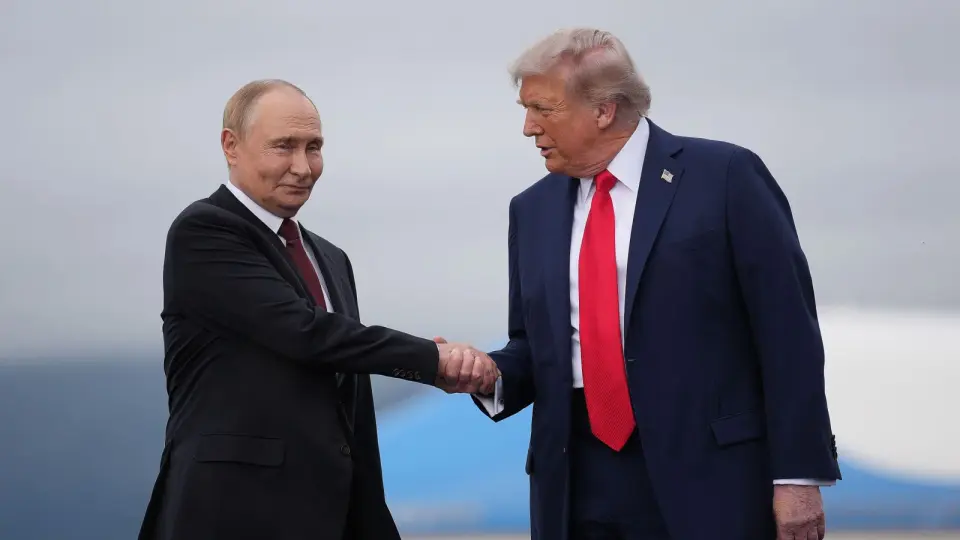
President Trump announced a deal with Vladimir Putin to supply over 4 million tons of diesel to global markets, including 300,000 tons immediately and 500,000 tons in November. The Treasury Department issued a temporary sanctions waiver through April 2027 to facilitate this flow. Ukrainian President Volodymyr Zelenskyy condemned the move, arguing it prolongs the war without securing de-escalation. The decision aims to lower fuel prices ahead of the November midterm elections, though analysts question if the volume will significantly impact the global shortage.
Key points
- Trump and Putin agreed via phone call for Russia to supply 4 million tons of diesel, with initial shipments of 300,000 tons followed by 500,000 tons in November.
- The US Treasury Department issued a general license allowing Russian diesel sales, temporarily waiving sanctions until April 2027.
- Zelenskyy criticized the deal as a 'gift' to Putin, warning that sanctions relief without reciprocal de-escalation will only extend the conflict.
- Diesel prices have surged due to Ukrainian strikes on Russian refineries and Middle East disruptions, with global refining capacity reduced by up to 10%.
- Trump faces political pressure to lower fuel costs before the November midterms, particularly in agricultural states like Iowa.
Background
This development follows weeks of escalating fuel shortages. In early October, Chevron CEO Mike Wirth warned against a US diesel export ban, noting that global inventories remain critically low despite recovered crude flows through the Strait of Hormuz. Earlier in September, Trump had urged Zelenskyy to spare Russian diesel facilities, a request Ukraine rejected as legitimate military action. The current crisis is compounded by Middle East refinery outages and shipping constraints, which have reduced global refining capacity by 6 to 8 million barrels per day since late spring.
How outlets are covering it
CNBC emphasizes the political urgency behind the deal, highlighting Trump’s pressure to lower prices before the midterms and the limited options available due to global refining damage. Axios focuses on the diplomatic fallout, noting that the announcement coincided with Ukrainian and European diplomats arriving in Miami for peace talks. Axios also highlights skepticism from energy analysts who argue the promised volumes are too small to address the global shortage. While both sources confirm the sanctions waiver, Axios provides additional context on the Kremlin’s statement that the deal would benefit the global economy, contrasting with Zelenskyy’s view that it is an investment in war. The Yahoo source was inaccessible due to technical errors, so its perspective could not be synthesized.
Why it matters
The deal represents a significant shift in US policy, prioritizing immediate fuel price relief over sustained pressure on Russia. It risks undermining the leverage the US holds in peace negotiations by providing economic benefits to Moscow without securing reciprocal concessions. For global markets, the move may offer temporary relief, but analysts doubt it will resolve the structural shortage caused by damaged refining capacity in both Europe and the Middle East. Domestically, it could impact the November midterms by addressing a key economic pain point for voters, particularly in agricultural regions dependent on diesel.
What to watch
The immediate focus will be on whether the promised 300,000 tons of diesel actually reach the market and if prices respond as predicted. Ukraine may adjust its military strategy in response to the sanctions waiver, potentially targeting energy infrastructure more aggressively if it perceives the US as weakening its position. The US Treasury Department will monitor compliance with the general license, while European allies may reassess their own sanctions stance in light of the US move. The November midterm elections will serve as a key indicator of the deal’s political impact, with fuel prices likely remaining a central issue for candidates in competitive districts.
- Trump strikes deal with Putin to supply Russian diesel to U.S. and global markets CNBC
- Trump says Russia to immediately supply 300,000 tons of diesel fuel Reuters
- Trump says US to get diesel from Russia, relaxing pressure on Moscow to ease prices before midterms Yahoo
- Trump says he reached a diesel supply deal with Putin Axios
- Trump Says Putin Agreed to Release Diesel Into Global Market Bloomberg.com
Want the full story? Read the original reporting
Read on CNBC