
Army Awards $2.2B for Nuclear Microreactors at Fort Drum and Four Other Bases
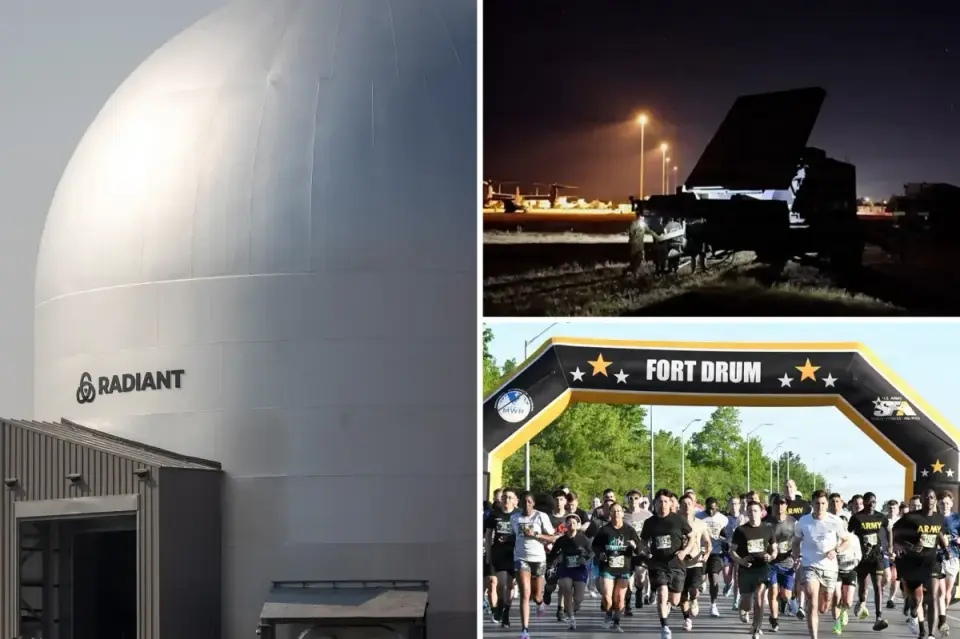
The U.S. Army has awarded $2.2 billion in contracts to five companies to build nuclear microreactors at military bases, including Fort Drum in New York. This initiative, known as Project Janus, aims to secure energy independence for the military by 2028, marking the first new nuclear generation in New York since 1988.
Key points
- The Army selected five sites for microreactors: Fort Drum (NY), Fort Bragg (NC), Fort Campbell (KY), Fort Hood (TX), and Fort Benning (GA).
- Westinghouse Government Services will build the reactor at Fort Drum, with a goal of full operation within five years.
- The project is part of a $2.2 billion initiative to deploy 20 microreactors nationwide, funded partly by private capital.
- President Trump set a deadline for at least one reactor to be operational by September 2028.
- Critics argue the program is a hidden subsidy for unproven technology, while supporters see it as essential for grid resilience.
Background
This development follows a broader national push to expand nuclear energy capacity, particularly in New York, where rising utility costs and the closure of the Indian Point Energy Center have prompted a re-evaluation of green energy goals. The move aligns with recent federal efforts to modernize military infrastructure and ensure energy security against potential grid vulnerabilities.
How outlets are covering it
The New York Post and Federal News Network emphasize the strategic and economic benefits, highlighting the $2.2 billion investment and the potential for commercial viability. In contrast, WWNY reports on criticism from experts like Alan J. Kuperman, who argue the reactors are too expensive and risky, and that the Army is using its budget to subsidize unproven technology. General Atomics, a participating vendor, focuses on the technical safety and scalability of its microreactor design, which can range from 5 to 20 megawatts.
Why it matters
The deployment of nuclear microreactors at military bases could set a precedent for future commercial adoption, potentially lowering costs and enhancing energy resilience. For New York, it represents a significant shift in energy policy, aiming to reduce reliance on external grids and address rising electricity costs.
What to watch
The five companies must meet technical milestones to deploy their reactors by the September 2028 deadline. The Army will continue engaging with local communities and aligning its regulatory processes with the Nuclear Regulatory Commission to ensure safety and compliance.
- New York to get first new nuclear power plant since 1988 as part of $2.2B project New York Post
- Army awards $2.2B in contracts for nuclear microreactors Federal News Network
- US to Spend Billions to Power Army Bases With Nuclear Reactors Bloomberg.com
- Critics: military base nukes too expensive, risky WWNY
- General Atomics Microreactor Selected for US Army Janus Program General Atomics
Want the full story? Read the original reporting
Read on New York Post