
Back-to-back storms topple New Mexico's 'Alien Throne' and 'King of Wings' hoodoos
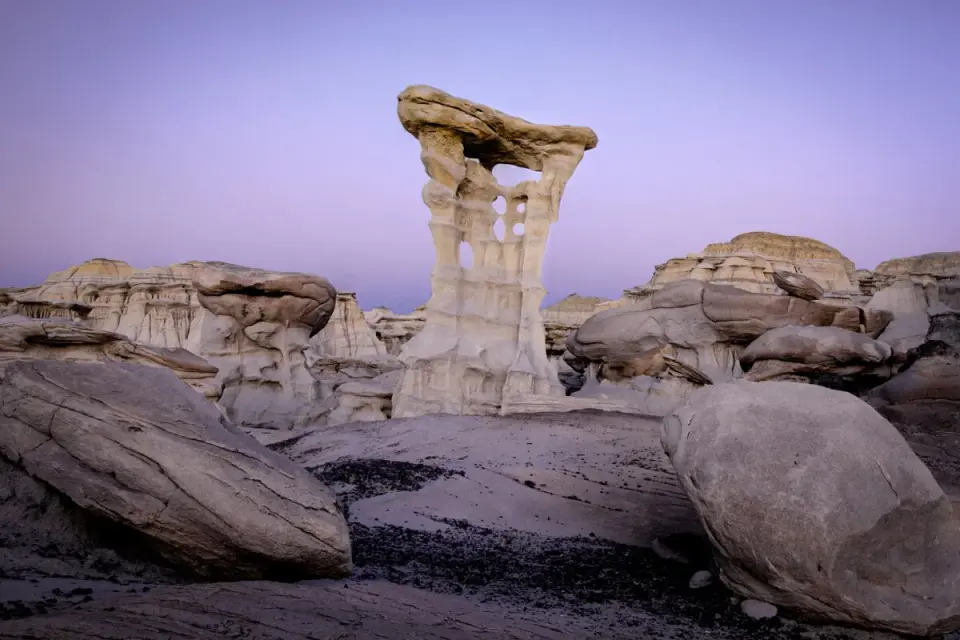
Two iconic rock formations in northwestern New Mexico, known as the Alien Throne and King of Wings, have collapsed after heavy autumn rains saturated the soil. The loss has sparked grief among local Native communities who view the sites as cultural waypoints, while broader flooding across the Four Corners region continues to cause significant damage.
Key points
- The Alien Throne (Tsé Bináká Níyol) and King of Wings formations in the Ah-Shi-Sle-Pah Wilderness collapsed within weeks of each other due to erosion from heavy rainfall.
- Tour guide Kialo Winters discovered the Alien Throne had fallen on October 30, describing the scene as surreal and emotionally devastating.
- Experts estimate that over 20 trillion gallons of rain fell across the Four Corners states and Nevada in late October and early November, fueled by tropical moisture.
- The storms have caused widespread flooding in New Mexico, Colorado, Utah, and Arizona, with damage estimates reaching hundreds of millions of dollars.
- Many dirt roads on the Navajo Nation were washed away or rendered impassable, isolating communities and hindering access to the collapsed sites.
Background
This event follows a pattern of extreme weather impacts on geological structures, similar to the fatal collapse of a volcanic formation in Cappadocia, Turkey, in late October 2026. While the Atacama Desert in Chile experienced unprecedented blooms due to El Niño rains earlier in the year, the current situation in the US Southwest highlights the destructive potential of saturated soils in arid regions. The collapse of these specific hoodoos adds to a growing list of natural landmarks lost to climate-driven erosion.
Why it matters
The destruction of these formations illustrates the tangible impact of extreme weather events on natural heritage and cultural landmarks. For the Navajo community, the loss is not merely geological but spiritual, as these sites served as historical waypoints and narrative anchors. The incident also underscores the increasing vulnerability of fragile desert landscapes to intensified precipitation patterns, prompting concerns about conservation and visitor behavior at remaining sites.
What to watch
Cleanup efforts are ongoing in the affected regions, though officials warn that damage assessments may take time. Winters has urged the public to respect the remaining sites by not climbing on or removing pieces of the formations. Visitors are encouraged to view the locations from a distance to allow the natural landscape to rest and recover.
Want the full story? Read the original reporting
Read on AP News