
Dietitian urges Americans to drop food guilt on Thanksgiving, while chef offers heart-healthy swaps
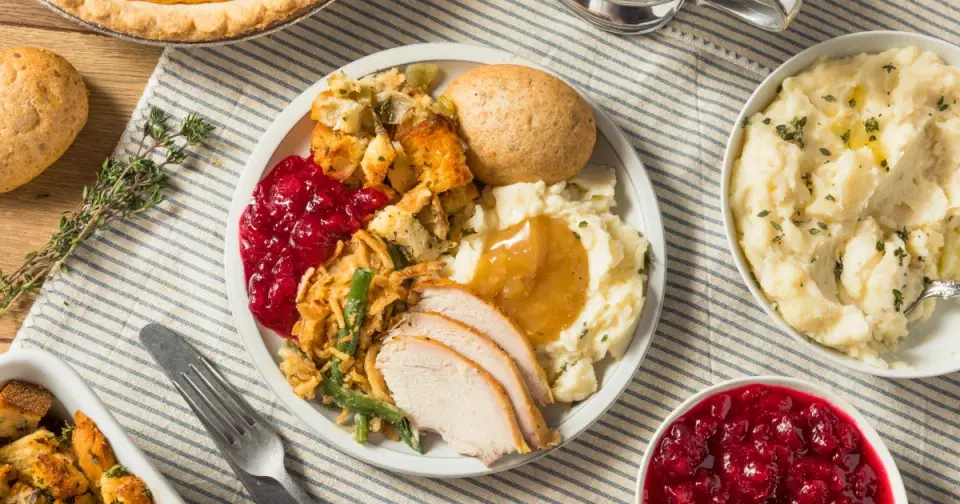
As Thanksgiving unfolds, experts advise against pre-holiday fasting or guilt-driven eating. Dietitian Natalie Rizzo emphasizes that one day does not define health goals, while Chef Brian Lindsey suggests simple ingredient swaps to maintain heart health without sacrificing tradition.
Key points
- Natalie Rizzo, a dietitian and TODAY.com nutrition editor, identifies 'food guilt' as the primary unhealthy habit to avoid on Thanksgiving, warning that labeling foods as 'good' or 'bad' triggers negative self-talk and restrictive cycles.
- Rizzo advises that a single day of indulgence does not break long-term health goals, recommending a 10-20 minute post-meal walk and adequate hydration to aid digestion and stabilize blood sugar.
- Chef Brian Lindsey of Oklahoma Heart Hospital promotes heart-conscious cooking through portion control and ingredient substitutions, such as replacing sour cream with nonfat Greek yogurt and using sugar-free alternatives.
- Lindsey suggests compensating for reduced salt and sugar by adding aromatics like garlic, ginger, and citrus to maintain flavor in traditional dishes like pumpkin pie and mashed potatoes.
- Both experts agree that traditional family meals can be enjoyed without compromising health, provided individuals focus on balanced daily habits rather than moralizing holiday food choices.
Background
This advice arrives amid shifting holiday norms, with recent data showing a split in pie preferences and growing awareness of GLP-1 drug impacts on appetite. Previous coverage highlighted the importance of matching nutrition to activity levels, reinforcing the current focus on sustainable, non-punitive eating strategies.
How outlets are covering it
TODAY.com focuses on the psychological aspect of eating, with Rizzo arguing that guilt is more harmful than the food itself, and that 'eating whatever the heck they want' is acceptable. In contrast, News 9 emphasizes practical culinary adjustments, with Chef Lindsey providing specific technical swaps (e.g., cornflake crusts, Greek yogurt) to reduce saturated fat and sugar while preserving the sensory experience of traditional meals. While Rizzo prioritizes mental well-being and digestion, Lindsey prioritizes cardiovascular health through ingredient modification.
Why it matters
These perspectives address the tension between cultural tradition and health anxiety. By decoupling food from morality and offering actionable, low-effort swaps, experts aim to reduce the stress and disordered eating patterns often associated with high-calorie holidays, promoting a more sustainable relationship with food.
What to watch
Consumers are expected to apply these strategies during the Thanksgiving meal and in the days following, focusing on nutrient-dense foods and fiber intake to return to routine. The National Alliance for Eating Disorders Helpline remains available for support regarding holiday-related eating concerns.
- A Dietitian Shares the No. 1 Unhealthy Habit You Should Avoid this Thanksgiving TODAY.com
- Holidays 2026: Indulge but don’t overdo it this Thanksgiving Magnolia Reporter
- Oklahoma chef shares tips for a heart-healthy Thanksgiving meal News 9
- Here’s how to avoid sleepiness, weight gain, and food poisoning on Thanksgiving The Morning Call
- Dr. Brian Curtis warns of 5,000-calorie Thanksgiving feasts Yahoo Health
Want the full story? Read the original reporting
Read on TODAY.com