
Drought and Hyperphagia Drive Record Bear-Human Conflicts in Colorado
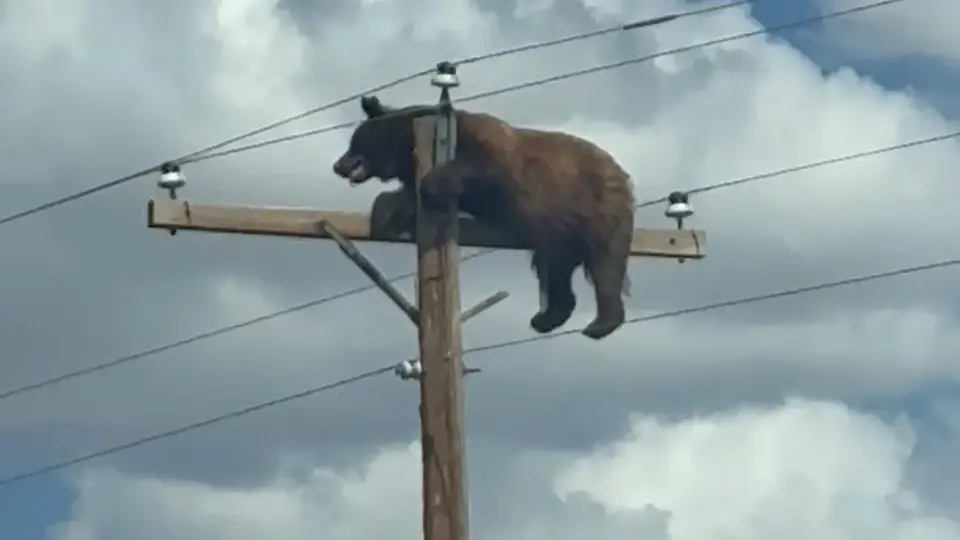
Colorado Parks and Wildlife (CPW) reported 6,129 bear sightings and conflicts through August 13, 2026, nearly double the 3,115 reports from the same period in 2025. This total already exceeds the 5,299 reports recorded for all of 2025 and is on track to be the highest since digital tracking began in 2019. The surge coincides with 'hyperphagia,' the pre-hibernation feeding phase, and severe drought conditions that have depleted natural food sources, forcing bears into populated areas.
Key points
- CPW recorded 6,129 bear-related reports by August 13, 2026, surpassing the entire 2025 total of 5,299.
- Recent incidents include a bear biting a homeless man in Aspen, a woman injured in Steamboat Springs, and a man attacked near the North Fork trail in Jefferson County.
- A 300-pound black bear died after becoming trapped in an unlocked vehicle in Colorado Springs, highlighting the dangers of accessible food sources.
- CPW attributes the rise to bears entering hyperphagia and struggling to find natural food due to drought, leading them to forage in trash and homes.
- Officials emphasize that feeding or disturbing bears is illegal and encourages them to lose their natural fear of humans.
Background
The current spike in bear activity aligns with broader regional drought conditions. Earlier reports noted that the Colorado River basin is 95% in drought, with historic low levels in Lake Mead and Lake Powell. This aridity, combined with historically low snowpack and high temperatures, has reduced natural forage for wildlife. As noted in previous coverage, these environmental stresses are pushing animals to leave their natural habitats to find food, exacerbating conflicts in populated areas across the Southwest, including New Mexico, where officials also reported record human-bear conflicts in 2026.
How outlets are covering it
USA TODAY and Denver7 both confirm the historic rise in bear reports, citing CPW data. USA TODAY provides a broad overview of incidents across Colorado, including Aspen, Fort Collins, and Eagle-Vail, while Denver7 focuses on specific recent attacks, such as the Jefferson County angler incident. Both outlets agree that drought and hyperphagia are primary drivers. USA TODAY highlights the human toll, including injuries and one death in New Mexico, whereas Denver7 emphasizes the CPW’s response, including the euthanization of the bear involved in the Jefferson County attack. Neither outlet disputes the statistical data, but USA TODAY places more emphasis on the national trend, while Denver7 focuses on local enforcement and safety protocols.
Why it matters
The record-breaking number of bear encounters poses significant risks to public safety and wildlife welfare. As bears become habituated to human food sources, the likelihood of aggressive encounters increases, often resulting in the euthanization of the animals. This trend underscores the urgent need for residents to secure food and trash, and for authorities to manage wildlife populations amidst worsening drought conditions that are reshaping the region’s ecology.
What to watch
CPW expects bear activity to remain high through the fall as animals continue to build fat reserves for winter. Authorities are urging residents to secure trash, remove bird feeders, and lock vehicles. In cases of conflict, CPW plans to continue trapping and, when necessary, euthanizing bears that pose a threat to human safety. Long-term, the agency may need to adjust management strategies to address the growing overlap between bear habitats and human communities.
- Bear attacks, conflicts with humans reach historic levels in Colorado USA Today
- Colorado sees sixth reported bear attack of 2026 after angler injured near North Fork trail Denver7
- Hungry Colorado bears are looking for food in cities, kitchens, cars, a college campus, and more Colorado Public Radio
- Man survives bear attack in Jefferson County 9News
- Black bear attacks surge across Colorado during historic drought KUNC
Want the full story? Read the original reporting
Read on USA Today