
Stranded Gulf Fleet Risks Global Marine Invasion as Biofouling Accumulates
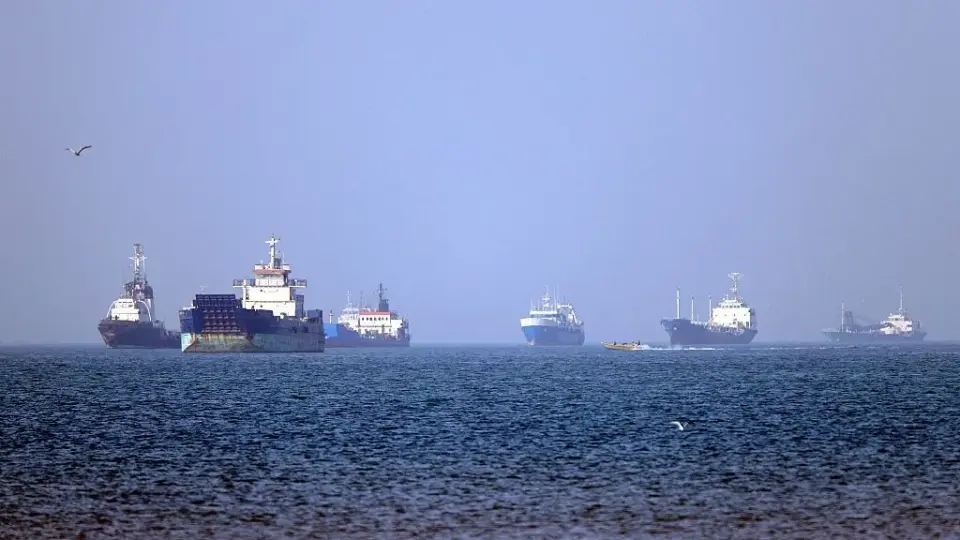
A new study warns that over 1,500 ships stranded in the Persian Gulf since the Strait of Hormuz closed in February 2026 have accumulated significant biofouling. As these vessels eventually resume global travel, they risk acting as 'superspreaders' for invasive marine species, potentially causing ecological and economic damage worldwide.
Key points
- More than 1,500 commercial vessels have remained idle in the Gulf since the waterway closed on February 28, 2026, following the outbreak of the US-Israel war on Iran.
- Prolonged stationary periods allow dense communities of microbes, algae, barnacles, and invertebrates to colonize ship hulls, a process known as biofouling.
- Marine biologist Mario Tamburri of the University of Maryland describes the situation as a 'perfect storm' and a potential 'bio-invasion super-spreader event' due to the sheer number of idle ships.
- The Gulf’s extreme heat and high salinity produce hardy organisms that are particularly resilient and likely to thrive in other warm, salty port environments, such as those in India and Singapore.
- Researchers urge governments and shipping companies to inspect and clean hulls before departure, while ports should increase monitoring and rapid-response plans to prevent the spread of invasive species.
- The International Maritime Organization is developing a standalone legally binding instrument to control ship biofouling, acknowledging the risk of species transfer after prolonged idling.
Background
This warning follows months of escalating conflict in the Middle East, including US strikes on Iranian infrastructure and Iranian attacks on commercial vessels in the Strait of Hormuz. Previous coverage noted that the closure of the strait, which handles roughly 20% of global oil supply, has already created ideal conditions for marine life to accumulate on hulls and in ballast water. The current situation mirrors earlier concerns about the environmental consequences of the US-Iran conflict, where human safety and economic disruptions were prioritized, but ecological risks were increasingly highlighted by scientists.
How outlets are covering it
Live Science and The Guardian emphasize the unprecedented scale of the 'superspreader' event, with The Guardian highlighting the IMO's role in developing binding regulations. ABC News focuses on the economic impact on fisheries and power plants, citing the zebra mussel example in the Great Lakes. Popular Science adds historical context, noting that invasive species like the European green crab and brown tree snake have previously spread via maritime trade, and highlights specific threats like toxic red algae blooms. All sources agree on the need for pre-departure cleaning and port monitoring, but differ in emphasis: Live Science and The Guardian focus on the biological mechanism, ABC News on economic damage, and Popular Science on historical precedents and specific species threats.
Why it matters
The spread of invasive marine species can lead to local extinctions, devastate fisheries, clog power plant cooling systems, and cost billions of dollars annually to manage. The resilience of Gulf-adapted organisms makes them particularly dangerous in other warm, salty environments, posing a long-term threat to global marine biodiversity and economic stability.
What to watch
As shipping resumes, authorities in high-risk ports, including India and Singapore, are expected to increase monitoring for invasive species. The IMO is working on binding biofouling regulations, and shipping companies are urged to clean hulls before departure. Researchers recommend using vacuum-like devices during cleaning to prevent live organisms from re-entering the water, and ports are advised to establish rapid-response plans to manage any detected invasions.
- Biological 'superspreader' event could be imminent as more than 1,000 ships idle in the Strait of Hormuz, scientists warn Live Science
- Ships stuck in strait of Hormuz pose ‘super-spreader’ biodiversity threat, scientists warn The Guardian
- Scientists warn of possible invasive species superspreader event due to stalling near Strait of Hormuz ABC News - Breaking News, Latest News and Videos
- Strait of Hormuz ship bottleneck could fuel invasive species nightmare Popular Science
- Idle Ships in Strait of Hormuz Could Lead to Bioinvasion Newser
Want the full story? Read the original reporting
Read on Live Science