
Iowa Army to Detonate 5 Tons of Unstable Lead Azide, Prompting Evacuations and Health Warnings
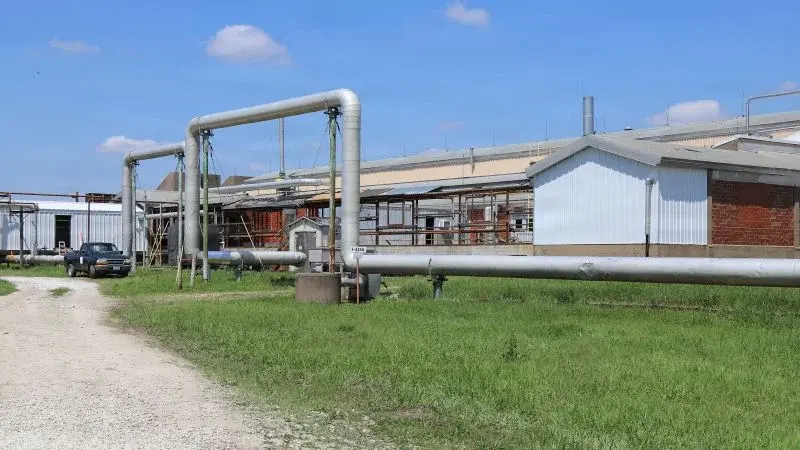
The U.S. Army will detonate approximately 5 tons of degraded lead azide at the Iowa Army Ammunition Plant in Middletown on Friday, November 20. The material, stored for over 20 years, became unstable after water evaporation caused it to crystallize, making transport too risky. Officials are evacuating residents in the Middletown City Park neighborhood from 8 a.m. to 2 p.m. due to risks of window breakage and lead dust exposure. While the Army has implemented mitigation measures, experts warn of potential long-term health risks, particularly for children, as lead is a neurotoxin.
Key points
- Detonation scheduled for Nov. 20 between 11 a.m. and noon to dispose of 68 barrels of unstable lead azide.
- Residents in Middletown are advised to evacuate or stay indoors with windows closed to avoid lead dust and vibration damage.
- The material became unstable after water evaporation caused crystallization, increasing sensitivity to shock and friction.
- The EPA approved an emergency permit on Nov. 13, requiring the Army to track air dispersion and notify the public five days in advance.
- Experts warn that lead is a neurotoxin with no safe exposure level, posing significant risks to young children and the environment.
Background
The Iowa Army Ammunition Plant has been under review, leading to the discovery of degraded lead azide stored in earthen-covered containers since 2004. The material was kept stable in a bath of ethanol and water, but evaporation caused it to crystallize, creating a highly volatile situation. Previous coverage highlighted the urgency of the situation and the lack of alternative disposal methods, with the Army stating that in-place detonation was the only responsible option to prevent accidental explosion.
How outlets are covering it
CNN and ABC News emphasize the immediate safety measures, including evacuations and the potential for a lead dust plume lasting up to one hour. KWQC highlights the health risks, with University of Iowa professor Patrick O’Shaughnessy noting that lead is a neurotoxin and that the situation is 'unprecedented.' KCRG details the four alternatives the Army considered, including doing nothing, detonating without barriers, moving the material, and chemical neutralization, all of which were rejected due to safety risks. The Army and EPA focus on mitigation efforts, such as soil wetting and air sampling, while residents and local officials express concern over the lack of information and potential long-term contamination.
Why it matters
The detonation highlights the challenges of managing unstable hazardous materials and the potential for environmental contamination. Lead exposure, even in small amounts, can have severe health consequences, particularly for children. The incident also raises questions about the transparency and communication of military operations affecting civilian populations, as some communities received late notice of the potential exposure.
What to watch
The Army will continue to monitor air and dust dispersion during and after the detonation, updating plume maps hourly. The EPA will set up a command center in Mediapolis to sample air, soil, and water. Residents are advised to clean exterior surfaces and wash cars once the exposure period ends. Long-term monitoring will be necessary to assess any environmental contamination and ensure public safety.
- Iowa residents brace for a lead dust cloud as Army plans to detonate 5 tons of bomb-making chemicals CNN
- Army releases new maps showing potential locations of lead exposure during Friday's controlled detonation WQAD
- Expert warns lead from Army detonation in Middletown could pose health risks KWQC
- Nearly 10,000 pounds of lead azide to be detonated at Army plant, causing lead dust plume ABC News - Breaking News, Latest News and Videos
- Army considered 4 other options before deciding to detonate lead azide in Middletown KCRG
Want the full story? Read the original reporting
Read on CNN