
Iowa Detonation Complete; EPA Awaits Lab Results to Confirm Lead Exposure
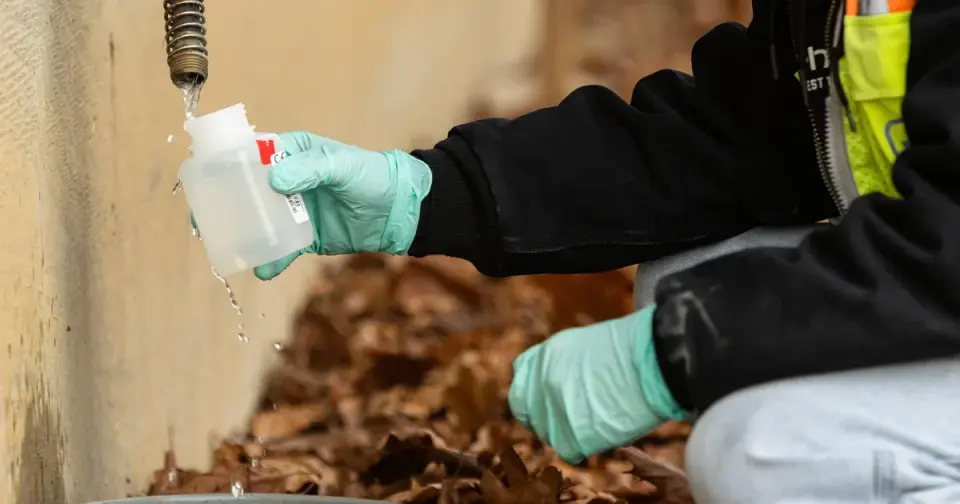
The U.S. Army successfully detonated approximately 5 tons of degraded lead azide at the Iowa Army Ammunition Plant in Middletown on Wednesday. While initial real-time air monitors detected zero airborne lead, prompting an 'all clear' for residents, the Environmental Protection Agency (EPA) is awaiting laboratory results from over 1,000 post-detonation samples to assess long-term contamination risks. Independent scientists and local residents remain cautious, noting that ground and water testing will take days to complete.
Key points
- The Army detonated 68 drums containing roughly 9,500 to 10,000 pounds of lead azide at the Iowa Army Ammunition Plant on Wednesday, November 25, citing the material's instability and risk of accidental explosion.
- The EPA collected over 1,500 pre-detonation samples and more than 1,000 post-detonation samples from air, water, soil, and dust at over 130 locations, including homes, schools, and the Mississippi River watershed.
- Initial real-time air monitoring showed zero airborne lead, leading the Army and FEMA to issue an 'all clear' and lift shelter-in-place orders within hours of the blast.
- The EPA expects to begin receiving laboratory results for post-detonation samples as early as Friday, November 27, but a full data review will take longer.
- Independent experts and local residents are skeptical of the initial 'zero lead' claims, emphasizing that ground and water contamination could persist even if airborne levels were low.
Background
The Iowa Army Ammunition Plant, a 19,000-acre facility near Middletown, has been a Superfund site since 1990 due to decades of contamination. The lead azide stockpile, transferred to the plant in 2009, had degraded over 20 years, increasing its sensitivity to shock. The detonation followed a chaotic legal battle, with the 8th Circuit Court of Appeals temporarily halting the plan before allowing it to proceed under emergency exemptions. Previous lead azide detonations, such as one in Colorado in 1977, resulted in significant residual contamination.
How outlets are covering it
Federal officials, including the EPA and Army, emphasized the success of the operation, highlighting zero airborne lead and the necessity of the detonation to prevent an uncontrolled explosion. In contrast, independent scientists and local residents expressed caution, noting that real-time air monitoring does not account for ground or water contamination. Critics, including environmental groups and newly elected Iowa leaders, called for greater transparency regarding the material's deterioration and the lack of public communication prior to the blast. While the Army touted the event as exceeding expectations, many Iowans remain concerned about long-term health impacts and the adequacy of the testing plan.
Why it matters
The detonation highlights the risks of aging military stockpiles and the challenges of balancing immediate safety with long-term environmental health. The outcome will influence future policies on hazardous material disposal and public communication during emergencies. Additionally, the results will determine whether residents and farmers in the affected area face long-term contamination, potentially leading to further legal and regulatory scrutiny.
What to watch
The EPA is expected to release initial laboratory results from post-detonation samples by Friday, November 27. A full data review will take longer, and the Army and EPA are planning to continue monitoring for as long as necessary. Cleanup and remediation efforts at the site are expected to take three months, involving the removal of up to 13 tons of debris. Independent scientists are also conducting their own sampling to verify the government's findings.
- Iowa lead detonation testing results expected soon, EPA says CBS News
- US Army releases post-detonation maps of potential lead dust exposure WQAD
- Questions linger about lead pollution from Iowa blast, despite officials’ assurances NBC News
- The government says Iowa detonation results exceeded expectations. Now what? CNN
- Trump rips Obama, CNN as he touts ‘perfect’ Iowa detonation The Hill
Want the full story? Read the original reporting
Read on CBS News