
Historical analysis reveals federal Thanksgiving origins ignored Pilgrims until 1939
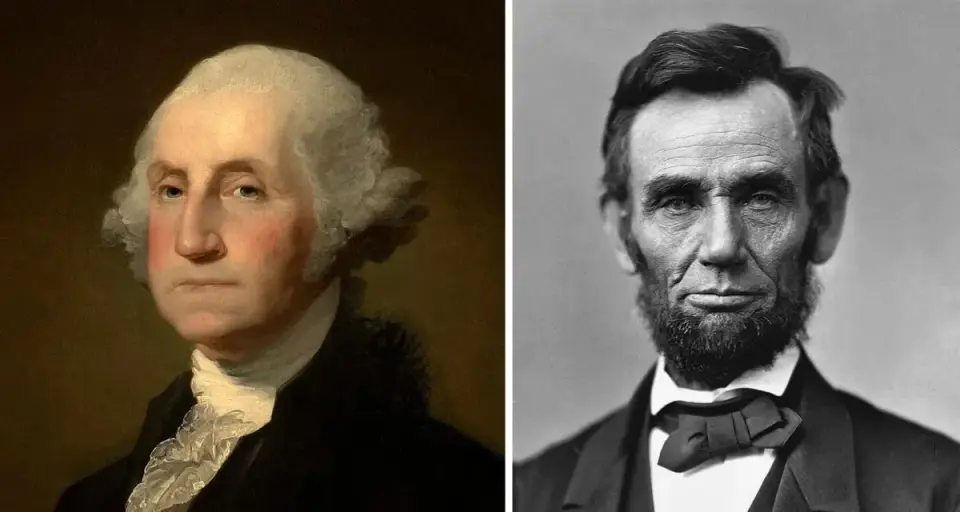
A new historical analysis argues that the federal Thanksgiving holiday was never originally tied to the Pilgrims or Native Americans. While George Washington and Abraham Lincoln established the holiday to express gratitude for national survival and unity during the Civil War, the first presidential mention of the Pilgrims did not occur until 1939. The modern narrative linking the holiday to the 1621 feast emerged later to assimilate immigrants, contrasting with the ongoing National Day of Mourning observed by Indigenous groups.
Key points
- George Washington’s 1789 proclamation established the first federal Thanksgiving, focusing on gratitude for the Revolutionary War and constitutional government, with no mention of the Pilgrims.
- Abraham Lincoln made Thanksgiving an annual holiday in 1863 during the Civil War, emphasizing national unity and healing, also without referencing the Pilgrims or Native Americans.
- Franklin D. Roosevelt’s 1939 proclamation was the first to mention the Pilgrims, linking the holiday to a harvest thanksgiving, though not explicitly to a shared meal with Native Americans.
- The widespread association of Thanksgiving with the 1621 Pilgrim-Wampanoag feast grew in the late 19th and early 20th centuries to help assimilate immigrants and promote a unified American identity.
- The 2026 holiday was observed on November 26, with the United American Indians of New England holding their 57th annual National Day of Mourning in Plymouth, Massachusetts, despite a recent court ruling on event logistics.
Background
Thanksgiving has roots in English Protestant traditions and early colonial harvest festivals, with an annual tradition documented as early as 1619 in Virginia. Sarah Josepha Hale campaigned for a national holiday in the 1800s, influencing Lincoln’s 1863 proclamation. The modern date was fixed by Congress in 1941. The 1621 event, often called the 'first Thanksgiving,' involved approximately 90 Wampanoag and 50 colonists, but the modern myth of a friendly feast was popularized by 20th-century paintings and educational pageants.
How outlets are covering it
Upworthy emphasizes that the federal holiday’s origins are entirely separate from the Pilgrim-Native American narrative, highlighting that the myth emerged later for assimilation purposes. The Washington Post focuses on the Wampanoag perspective, noting that the tribe regrets the 1621 event and observes a National Day of Mourning. The Duluth News Tribune highlights Lincoln’s 1863 proclamation as a moment of national unity during the Civil War. Rolling Stone frames the holiday as a call for continued civic engagement and healing, comparing the current political climate to the post-Gettysburg period, while acknowledging the holiday’s role in national reconciliation.
Why it matters
Understanding the true origins of Thanksgiving clarifies that the holiday was not created to commemorate the 1621 event but to foster national unity and gratitude during times of crisis. This distinction is crucial for ongoing debates about Indigenous history, cultural erasure, and the role of public holidays in shaping national identity. It also underscores the importance of acknowledging diverse perspectives, such as the National Day of Mourning, alongside traditional celebrations.
What to watch
The 2026 Thanksgiving holiday has concluded, but the National Day of Mourning continues to be observed annually by Indigenous groups. Future discussions may focus on how the holiday is taught and celebrated, particularly in light of the 2026 presidential proclamation that explicitly invokes the Pilgrim-Wampanoag narrative, contrasting with earlier proclamations. Ongoing legal and political debates about event logistics in Plymouth may also influence future observances.
- The origin of the Thanksgiving holiday actually had nothing to do with the Pilgrims or Native Americans Upworthy
- The tribe who helped the Pilgrims survive their first Thanksgiving regretted it The Washington Post
- Our View: There are reasons for thanks — even 163 years later Duluth News Tribune
- A Forgotten Thanksgiving Tradition RealClearEducation
- Lincoln’s Thanksgiving Lesson For Us Now: Don’t Claim Victory Yet Rolling Stone
Want the full story? Read the original reporting
Read on Upworthy