
Patagonia joins legal push to halt Trump's 90% cut of Utah monuments
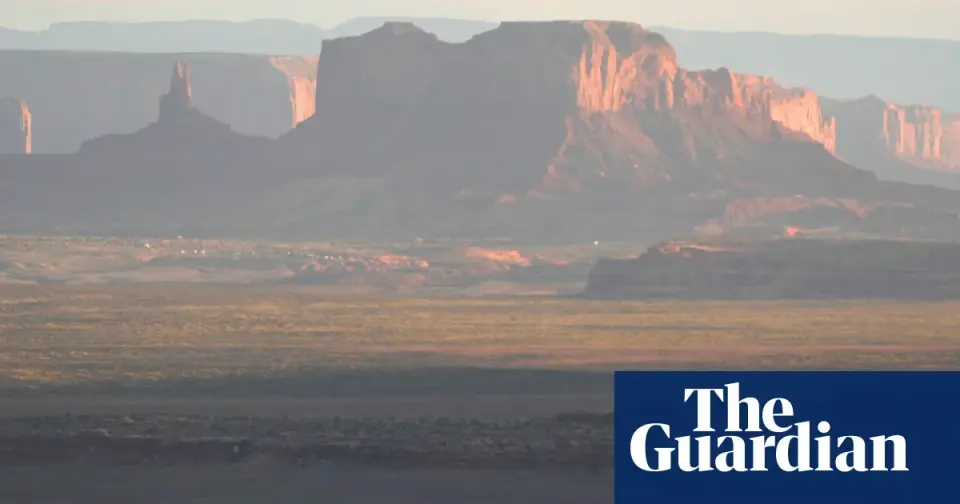
Patagonia has joined a federal lawsuit challenging President Trump's July 2026 decision to reduce the Bears Ears and Grand Staircase-Escalante national monuments by 90%, removing protections from nearly 3 million acres. The move aims to open the land to oil, gas, and mining interests, citing resource independence and national security. Environmental groups argue the Antiquities Act does not grant presidents the power to shrink monuments, only to create them. This legal action revives cases from 2017, when Trump first attempted to reduce these sites, which were later restored by President Biden. The lawsuit seeks to block what critics call an illegal transfer of federal land to private extractive industries, while supporters of the cuts argue the land is better suited for resource development.
Key points
- Patagonia joined a lawsuit filed by the Natural Resources Defense Council (NRDC) and tribal groups to challenge Trump's July 2026 proclamations.
- The proclamations reduced the Bears Ears and Grand Staircase-Escalante monuments by approximately 90%, removing protections from nearly 3 million acres.
- Trump justified the cuts by claiming the land contains critical minerals essential for resource independence and national security.
- Legal challengers argue the Antiquities Act allows presidents to establish monuments but not to shrink or undo them.
- The lawsuit revives cases from 2017 that were administratively closed after Biden restored the monuments in 2021.
- Mining claims have already been filed in areas no longer protected by the monument boundaries, according to Patagonia.
Background
This dispute follows a cycle of protection and reduction for these Utah sites. Trump first sought to shrink the monuments in 2017, a move that was reversed by Biden in 2021. The current 2026 cuts are more drastic than the 2017 attempt, removing nearly 3 million acres from protection. Bears Ears was established by Obama in 2016 following Indigenous advocacy, while Grand Staircase-Escalante was established by Clinton. The 2017 litigation was closed without final judgment, allowing the current legal challenge to proceed.
How outlets are covering it
The Guardian and Salt Lake Tribune emphasize the legal argument that the Antiquities Act does not permit shrinking monuments, framing the action as an illegal transfer of federal land to private extractive industries. The NRDC highlights the irreversible loss of ancient cliff dwellings, dinosaur fossils, and sacred sites. In contrast, Park Record reflects a local political perspective, criticizing Senator John Curtis for supporting the downsizing and arguing that 71% of Utahns oppose the cuts. Park Record frames the issue as a moral choice between profit and preserving natural beauty, while the primary sources focus on the legal and tribal sovereignty aspects of the dispute.
Why it matters
The outcome of this lawsuit could set a precedent for presidential power over national monuments. If the courts uphold the 2026 cuts, it may allow future administrations to significantly reduce protected lands to facilitate resource extraction. The case also highlights the tension between federal environmental protections and state or private interests in resource development, with potential implications for tribal sovereignty and the preservation of cultural and natural heritage in Utah.
What to watch
The federal lawsuit filed in the U.S. District Court in Washington will determine whether the 2026 proclamations are legally valid. If the courts rule in favor of the challengers, the monument boundaries may be restored to their 2021 status. If the rulings are appealed, the case could reach the Supreme Court, potentially defining the limits of presidential authority under the Antiquities Act. Mining and drilling activities may proceed in the newly unprotected areas unless a court injunction is issued.
- Patagonia sues Trump over slashing of protected areas in Utah The Guardian
- Trump’s move to slash Utah national monuments sparks lawsuits from Patagonia and environmental groups The Salt Lake Tribune
- Patagonia, environmental groups revive old legal fights against new cuts to Utah monuments yahoo.com
- Downsizing your soul Park Record
- Groups Push To Revive Challenges To Trump Monument Cuts Law360
Want the full story? Read the original reporting
Read on The Guardian