
LA’s Bear Boom: Urban Expansion and Climate Shifts Drive Record Encounters
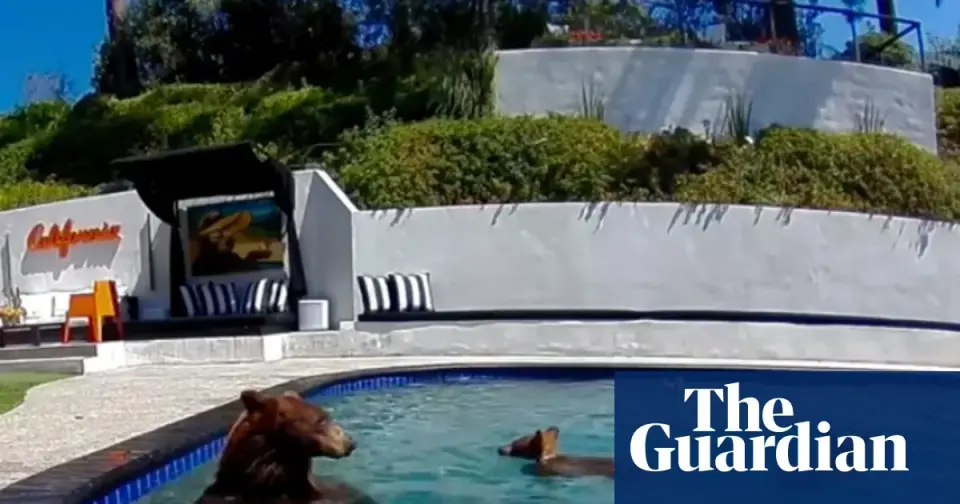
Black bear populations in the Los Angeles area are expanding into suburban neighborhoods, leading to a record number of human-wildlife encounters in 2026. While some residents embrace coexistence through careful management, others face conflicts resulting in bear euthanasia. Experts attribute the trend to urban sprawl, calorie-dense human food sources, and climate-driven changes in natural food availability.
Key points
- California’s black bear population is estimated between 50,000 and 70,000, with approximately 1,600 residing in the Southern California region near Los Angeles.
- 2026 is on track to be a record year for reported bear encounters, peaking in late summer and early fall during the bears’ pre-hibernation hyperphagia period.
- Residents in foothill suburbs like Monrovia are increasingly sharing spaces with bears, often documenting interactions on social media platforms like Instagram.
- The euthanasia of a mother bear named 'Blondie' in Monrovia earlier this year sparked public outrage and a memorial walk, highlighting tensions between wildlife management and community sentiment.
- Climate change and major wildfires, such as the 2025 Eaton and Palisades fires, have reduced natural food sources, pushing bears into human-dominated landscapes for calories.
Background
This development follows broader trends in urban wildlife management across the United States, where expanding metropolitan areas increasingly overlap with natural habitats. Previous coverage in our archive has touched on the intersection of technology and nature, such as AI-driven animal communication, but the current issue focuses on physical coexistence and resource competition. The situation in Los Angeles mirrors a nationwide pattern where urban sprawl meets vast natural spaces, creating new challenges for both residents and wildlife.
How outlets are covering it
The Guardian emphasizes the adaptability of black bears and the potential for coexistence through careful human behavior, such as securing trash and removing temptations. It highlights the role of social media in building empathy for wildlife, though it warns against 'Disney-fying' bears. Le Monde focuses on the growing frequency of encounters and the tension between residents who enjoy filming bears and those who face damaging incidents. Both sources agree that urbanization and the growing bear population are key drivers, but The Guardian places more emphasis on the impact of climate change and wildfires, while Le Monde notes the broader phenomenon of wildlife in American urban areas. The Guardian also details the specific case of 'Blondie' and the community's reaction, whereas Le Monde provides a more general overview of the situation in Los Angeles.
Why it matters
The increasing presence of black bears in Los Angeles suburbs underscores the challenges of balancing urban expansion with wildlife conservation. As human populations grow and climate change alters natural food sources, the likelihood of conflicts between humans and bears will likely increase. This trend has implications for public safety, wildlife management policies, and the way communities interact with their natural environment. Understanding these dynamics is crucial for developing strategies that minimize conflicts and promote coexistence.
What to watch
Wildlife officials expect bear encounters to thin out as September ends, but residents will need to prepare for renewed interactions in the spring. Authorities are likely to continue emphasizing the importance of securing food sources and reducing temptations for bears. There may also be increased public debate over wildlife management practices, particularly regarding the euthanasia of bears that pose a threat to humans. The spread of bear footage on social media may continue to shape public perception and influence conservation efforts.
Want the full story? Read the original reporting
Read on The Guardian