
Russian Diesel Deal Collapses as Tankers Divert Amid Legal Fears
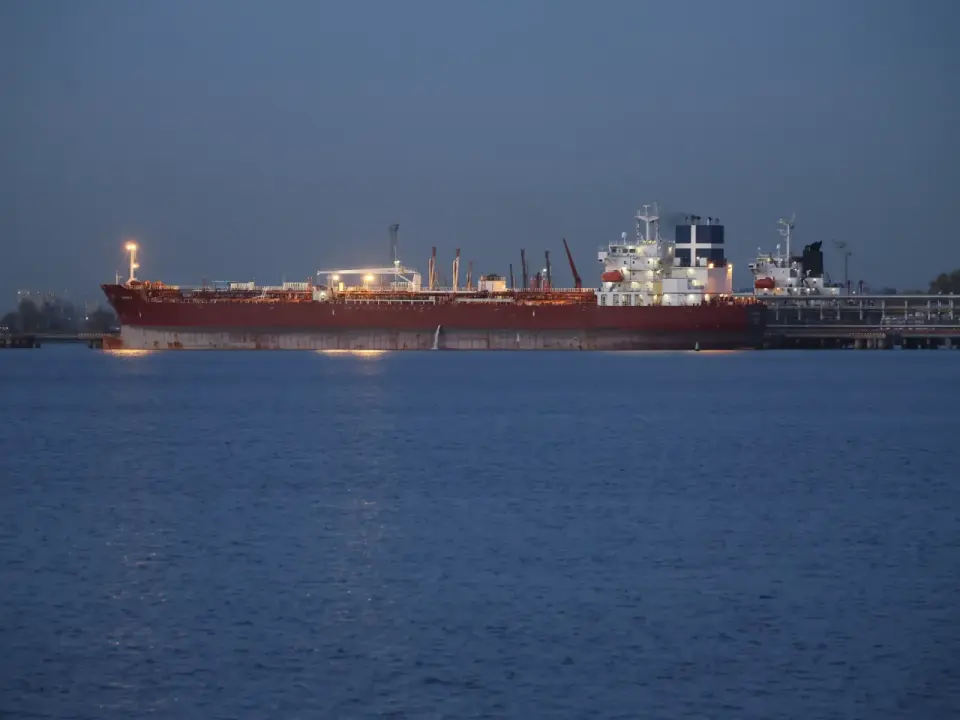
The US-Russia diesel agreement announced in October has effectively stalled, with multiple tankers diverting from US ports due to legal uncertainty and sanctions risks. Despite a temporary Treasury exemption, Congress maintains a ban on Russian energy imports, causing traders to avoid the cargo. While Moscow insists the deal is proceeding, US officials and analysts note that the initial shipments are too small to impact high domestic fuel prices, which have doubled since the start of the US-Israel war on Iran.
Key points
- Three tankers carrying Russian diesel to the US have changed course or remain in limbo, casting doubt on the October deal between Trump and Putin.
- The Talisman and Leruo diverted to Brazil and the Mediterranean, respectively, while the Agioi Fanendes remains in the Atlantic with an unconfirmed destination.
- US retail diesel prices have exceeded $6 per gallon, nearly double pre-war levels, but the initial shipments are insufficient to lower national prices.
- Congress passed the Graham Act, maintaining a ban on Russian energy imports, which conflicts with the Treasury’s temporary sanctions exemption.
- New Jersey Governor Mikie Sherrill warned port operators that importing the fuel violates federal law and carries criminal liability.
Background
This development follows a series of events in October 2026, where Trump announced a deal to import 300,000 tonnes of diesel immediately, followed by larger volumes in November. This move reversed years of US policy banning Russian energy imports after the 2022 invasion of Ukraine. The deal sparked bipartisan backlash in Congress and raised concerns that it would fund Russia’s war effort. Ukrainian officials had previously vowed to continue striking Russian refineries, which operate at reduced capacity, further complicating supply logistics.
How outlets are covering it
Al Jazeera and CNN emphasize the legal and political conflict between the Trump administration’s temporary sanctions exemption and the Congress-mandated ban, highlighting that traders are avoiding the cargo due to potential civil and criminal liability. Le Monde focuses on the operational failure, noting that the tankers have physically diverted, while Moscow dismisses these reports as 'fake news.' CNN and Al Jazeera agree that the volume of diesel is too small to impact US prices, which have surged due to the Iran conflict. All sources note the divergence between the White House’s diplomatic approach and the private sector’s reluctance to engage with sanctioned Russian energy.
Why it matters
The failure of this deal signals a significant shift in US-Russia relations, undermining the isolation of Moscow since 2022. It highlights the limits of executive power to override congressional sanctions and the private sector’s resistance to engaging with sanctioned regimes. The continued high cost of diesel in the US, driven by the Iran conflict and low inventories, remains a critical issue for voters ahead of the midterm elections, despite the diplomatic efforts to secure fuel supplies.
What to watch
The US Treasury and Congress will likely face further legal challenges regarding the validity of the sanctions exemption. The Trump administration may attempt to secure additional exemptions or negotiate new deals, while Congress may move to enforce the Graham Act more strictly. The diverted tankers may seek buyers in other markets, such as Brazil or the Mediterranean, or return to Russia. The outcome will depend on whether the private sector accepts the legal risks or if the government provides clearer assurances against liability.
- Why are oil traders refusing to buy Russian diesel after Trump-Putin deal? Al Jazeera
- Washington made Moscow a pariah. Now a tanker of Russian diesel is headed for US shores CNN
- Tankers carrying Russian diesel to the US change course DW.com
- US-Russia diesel deal touted by Trump falters Le Monde.fr
- Tankers carrying Russian diesel change course, raising doubts about shipments to U.S. PBS
Want the full story? Read the original reporting
Read on Al Jazeera