
Trump’s Russian Diesel Deal Sparks Diplomatic Rift and Price Debate
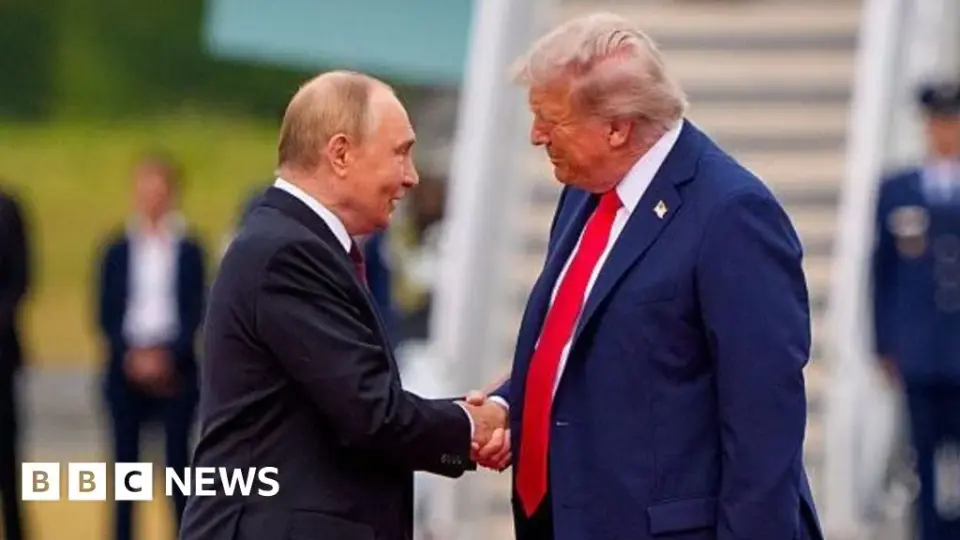
US President Donald Trump announced a deal with Russian President Vladimir Putin to release over 4 million tonnes of diesel into global markets, a move condemned by Ukrainian President Volodymyr Zelensky as funding for the war. The US Treasury suspended sanctions on Russian diesel exports until April 2027, aiming to lower soaring fuel prices ahead of midterm elections. Critics argue the deal benefits Moscow without de-escalation, while analysts question its impact on US pump prices.
Key points
- Trump announced a deal for Russia to release 300,000 tonnes of diesel immediately, followed by 500,000 tonnes in November, 1 million tonnes later, and potentially 3 million tonnes more, depending on refinery conditions.
- The US Treasury issued a temporary license suspending sanctions on Russian diesel exports until April 7, 2027, while other Russian assets in American banks remain frozen.
- Zelensky condemned the deal as a 'gift to Putin,' arguing it provides revenue for the war and will be repaid with 'further terror,' citing recent strikes on Zaporizhzhia and Kyiv.
- European allies, including EU foreign affairs chief Kaja Kallas, criticized the move, stating it eases pressure on Russia and provides Moscow with more war revenue.
- Analysts note the initial diesel release is small relative to US consumption, with the primary driver of high prices being the Iran conflict and Middle East instability, not just Russian supply.
Background
This development follows a period of heightened tensions, including a suspected plague outbreak in Russia that prompted a diplomatic standoff and a scheduled Trump-Putin call. It also comes after a deadly Russian missile strike on a Ukrainian apartment block on Putin's birthday, which killed 22 people. The current diesel deal is part of Trump's broader efforts to curb fuel prices, which have surged due to the Iran war and Ukrainian strikes on Russian refineries, ahead of the US midterm elections.
How outlets are covering it
BBC and CNBC report the deal as a direct response to soaring fuel prices and political pressure, with CNBC noting the limited impact on US pump prices due to the scale of the release relative to consumption. Politico emphasizes the diplomatic contradiction, highlighting Zelensky's accusation that the deal was a 'smokescreen' during peace talks in Florida. All sources agree on the core facts of the deal and the suspension of sanctions, but differ in emphasis: BBC and CNBC focus on the economic and political drivers, while Politico focuses on the diplomatic fallout and Zelensky's reaction. European allies, as reported by BBC, view the deal as counterproductive to the war effort.
Why it matters
The deal signals a significant shift in US policy, potentially undermining sanctions against Russia and complicating US-Ukraine relations. It highlights the tension between domestic economic pressures (fuel prices, midterm elections) and foreign policy goals (supporting Ukraine, pressuring Russia). The move may embolden Russia and provide it with additional revenue, potentially prolonging the conflict, while failing to significantly lower US fuel prices, as analysts suggest the main drivers are elsewhere.
What to watch
The US Treasury has suspended sanctions on Russian diesel until April 2027. The next tranches of diesel are scheduled for November and beyond, contingent on refinery conditions. European foreign ministers are set to approve new sanctions on Russia on Monday. The impact on US fuel prices remains uncertain, with analysts suggesting the deal will not materially lower prices. The diplomatic fallout between the US and Ukraine/Europe is likely to continue, with potential further tensions over the peace talks in Florida.
- Trump announces deal for Russian diesel as Zelensky criticises 'gift to Putin' BBC
- Trump says Russia has agreed to deliver millions in diesel fuel after 'highly successful discussion' Fox Business
- Analysis: Trump's shock Russia deal highlights mounting pressure to curb fuel prices BBC
- Trump strikes deal with Putin to supply Russian diesel to U.S. and global markets CNBC
- Zelenskyy accuses Trump of ‘smokescreen’ oil deal amid talks to end Ukraine war Politico
Want the full story? Read the original reporting
Read on BBC