
UK PM Burnham Endorses Greenland Security Pact as Trump Claims Arctic Victory
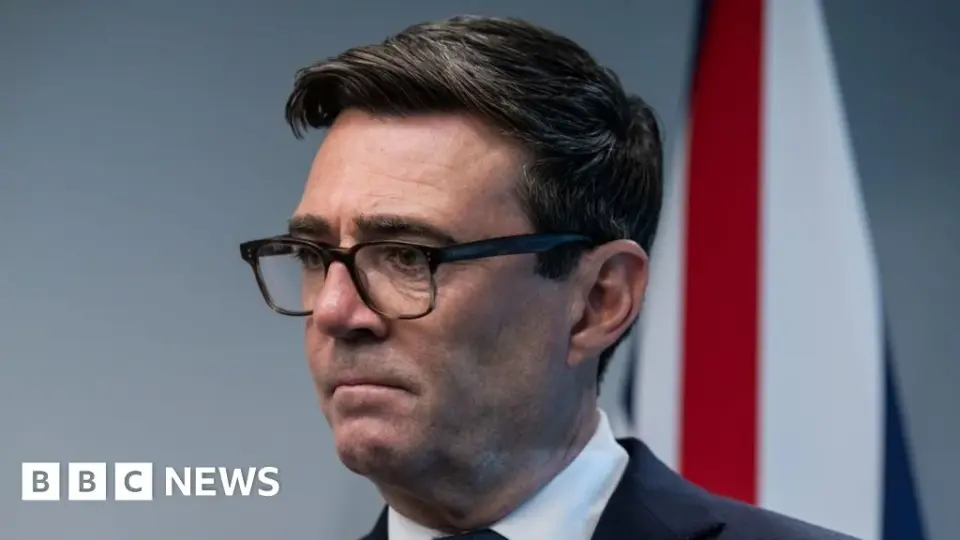
UK Prime Minister Andy Burnham has publicly praised a new security agreement between the United States and Denmark regarding Greenland, describing it as a beneficial deal for all parties ahead of his first meeting with President Donald Trump. While the US frames the accord as a major expansion of its military footprint and a barrier against Chinese and Russian influence, UK Liberal Democrat leader Ed Davey dismissed it as a 'pretend' victory that merely replicates existing arrangements. The agreement, which requires approval from Danish and Greenlandic lawmakers, aims to secure US basing and overflight rights while maintaining Danish sovereignty over the territory.
Key points
- UK Prime Minister Andy Burnham congratulated Danish Prime Minister Mette Frederiksen on the Greenland deal during a phone call, stating he would pass his congratulations to President Trump.
- The agreement grants the US permanent military access, basing, and overflight rights in Greenland while barring non-NATO adversaries like China and Russia from establishing bases or making sensitive investments.
- Liberal Democrat leader Ed Davey criticized the deal as a 'carbon copy' of agreements that have persisted since the 1950s, arguing that Europe and NATO successfully resisted Trump's initial annexation demands.
- The deal is expected to be signed at the UN General Assembly next week, though it still requires formal approval from Danish and Greenlandic lawmakers.
- Secretary of State Marco Rubio stated the agreement keeps Greenland within North America's strategic defense area, leveraging the territory's critical mineral deposits and emerging Arctic shipping routes.
Background
This development follows months of intense diplomatic tension after President Trump repeatedly threatened to purchase or annex Greenland, citing security concerns regarding Russia and China. Previous coverage indicated that while the US sought to expand its military presence, Denmark insisted on preserving sovereignty and NATO unity. The current agreement represents a diplomatic resolution to those threats, moving from potential annexation to a formalized security pact that expands US strategic interests in the Arctic without transferring control of the territory.
How outlets are covering it
The BBC highlights the diplomatic endorsement from UK Prime Minister Burnham, who framed the deal as a strategic success for Euro-Atlantic security. In contrast, Fox News emphasizes the tangible gains for the US, noting that the agreement secures permanent military access and excludes adversaries, effectively achieving Trump's security goals without annexation. However, the BBC also reports the dissenting view from Ed Davey, who argues the deal offers no new benefits and is merely a repetition of historical agreements, suggesting that European resistance was the true victory. While Fox News focuses on the exclusion of China and Russia, the BBC and Davey focus on the lack of substantive change from the status quo.
Why it matters
The agreement reshapes the strategic landscape of the Arctic by formalizing a larger US military footprint in Greenland without altering its political sovereignty. This move secures US access to critical minerals and emerging shipping routes while explicitly excluding rival powers, potentially reducing tensions between the US and Denmark but raising questions about the long-term autonomy of the Greenlandic people. It also sets the tone for Burnham's upcoming meeting with Trump, signaling a UK alignment with the US position on Arctic security despite domestic political criticism of the deal's novelty.
What to watch
The agreement is expected to be formally signed at the UN General Assembly next week. Following the signature, it must pass through Danish and Greenlandic legislative bodies for final approval. Meanwhile, UK Prime Minister Burnham is scheduled to meet with President Trump in the US, where the Greenland deal is likely to be a key topic of discussion regarding transatlantic security cooperation.
- Burnham hails Greenland deal ahead of first Trump meeting in New York BBC
- Why Trump zeroed in on Greenland, the world’s largest island, mostly covered in ice — in 3 charts Fox News
- U.S. and Denmark reach deal to build U.S. military presence in Greenland NPR
- ‘Nervous and Skeptical,’ Greenlanders Question the New Deal With Trump The New York Times
- Donald Trump drops demands to own Greenland, but the harm has been done The Economist
Want the full story? Read the original reporting
Read on BBC