
Iran threatens to ground regional airports as US sanctions isolate its airlines
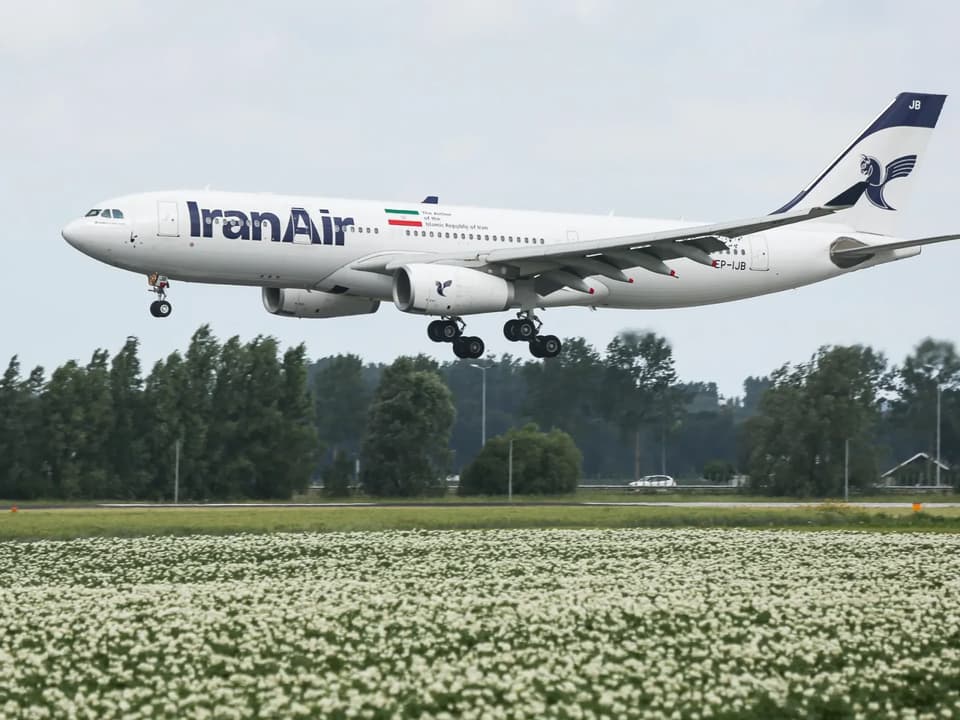
Iran has warned neighboring nations that it will retaliate against their airports if they enforce new US sanctions targeting Iranian airlines. This follows Washington's expansion of restrictions to 27 carriers, causing widespread flight cancellations in the Gulf and beyond. While experts doubt Iran will launch physical attacks, the move signals a shift toward coercing third-party states to halt cooperation with US economic pressure.
Key points
- Iranian Supreme National Security Council Secretary Mohsen Rezaei warned that airports in countries complying with US sanctions would 'no longer be able to operate flights' to Iran.
- The US Treasury expanded sanctions to cover 27 Iranian airlines and warned that foreign entities servicing them risk being cut off from the US financial system.
- The UAE, Azerbaijan, Georgia, and Oman have suspended Iranian flights, while a Varesh Airlines flight to Tajikistan turned back mid-air after Turkmenistan denied airspace access.
- International flight capacity from Iran dropped by 49 percent in August 2026 compared to the previous year, pushing travelers toward land borders.
- Analysts suggest the primary impact is psychological, as visible flight disruptions signal isolation, though some routes to China and Turkey remain active.
Background
This escalation occurs nearly seven months after the start of the US-Israel war on Iran in late February 2026, which previously led to temporary airspace closures across the Gulf. Recent diplomatic efforts to find an off-ramp to the conflict have coincided with intensified economic pressure, including maritime blockades on Iranian ports.
How outlets are covering it
Al Jazeera emphasizes the ambiguity of Iran's threats, noting that Tehran has not specified whether retaliation will be military or economic, but highlights the psychological impact of visible flight cancellations. The Jerusalem Post frames the situation as a direct threat of strikes on regional airports, citing Rezaei's explicit warnings. The Financial Times focuses on the immediate operational fallout, detailing specific cancellations in the UAE and the mid-air turnaround of a flight over Turkmenistan. Middle East Eye highlights the US Treasury Secretary's claim that 80 to 90 percent of external flights from Iran have been shut down, framing the sanctions as a long-term squeeze intended to force internal divisions or an uprising.
Why it matters
The move signals that the US-Iran conflict is expanding into the commercial aviation sector, forcing neutral nations to choose between US financial access and Iranian diplomatic pressure. It threatens to further isolate Iran economically while destabilizing regional travel hubs that have already suffered significant losses due to the ongoing war.
What to watch
Observers will watch whether Iran follows through on its threats against specific airports or if the pressure remains limited to diplomatic and economic coercion. The status of routes to China and Turkey will be key indicators of whether the sanctions are fully effective. Additionally, the impact on the UN General Assembly delegation's travel arrangements may provide a test case for the severity of the restrictions.
- Why is Iran threatening regional airports, and what could be the impact? Al Jazeera
- Iranian flights cancelled as new US 'D-Day' sanctions take effect, Saudis say they shoot down Houthi missiles Reuters
- Tehran threatens regional airports complying with US flight ban targeting Iranian airlines The Jerusalem Post
- Bessent wonders how Iran's delegation will return home, as US tightens sanctions targeting Tehran's airlines Middle East Eye
- UAE halts Iranian flights over US sanctions Financial Times
Want the full story? Read the original reporting
Read on Al Jazeera