
Former Defense Secretary Panetta Warns Iran Conflict Will Drag On for Six More Months
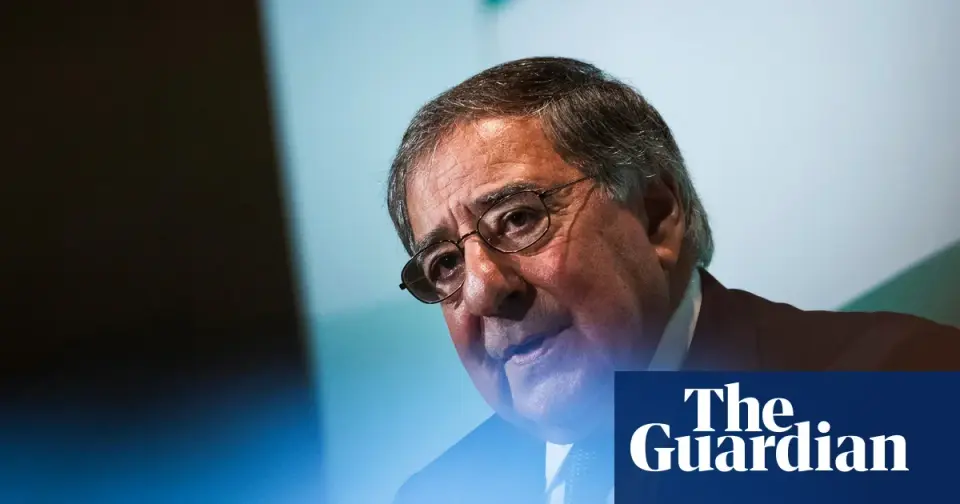
Former US defense secretary Leon Panetta warned that the US-Iran conflict, which began six months ago, is likely to continue for another six months without resolution. He described the situation as a 'terrible stalemate' where the US faces limited options, risking a 'forever war' similar to Iraq and Afghanistan. Panetta criticized the current command structure for appearing weak to adversaries like China and Russia, while the Pentagon denied claims of disarray. The conflict has strained US military resources, including munitions and personnel rotation, with the USS Abraham Lincoln returning after a record 260-day deployment.
Key points
- Leon Panetta predicts the US-Iran war will persist for another six months, citing a lack of viable exit strategies for President Trump.
- Panetta argues the US is sending a message of weakness to primary adversaries, including China, Russia, and North Korea, due to the prolonged stalemate.
- The conflict has depleted US munitions, including over half of cruise missiles and high-tech air-defense weapons, according to Slate analysis.
- The USS Abraham Lincoln returned to port after a record-breaking 260-day deployment, highlighting issues with personnel rotation and living conditions.
- The 82nd Airborne Division has had its Middle East deployment extended to a full year, reflecting the prolonged nature of the conflict.
Background
The US and Israel launched military operations against Iran in February 2026. Over the past six months, the conflict has evolved from initial strikes to a strategic stalemate, with the Strait of Hormuz remaining largely closed and US weapons stocks strained. Previous coverage noted that Trump shifted from military action to economic sanctions and sanctions, while maintaining that he was not in a hurry to negotiate. The conflict has reshaped Middle Eastern security dynamics, increasing Gulf states' reliance on Washington and testing US credibility.
How outlets are covering it
The Guardian and Slate both emphasize the strategic failure and lack of clear objectives in the US-Iran conflict. Panetta, via The Guardian, frames the situation as a 'failed war' that risks becoming another 'forever war,' criticizing the US for appearing weak to global adversaries. Slate's Fred Kaplan argues that Trump should 'declare victory and go home,' noting that the US has hit over 15,000 targets but failed to achieve strategic goals, while depleting critical munitions. Military Times highlights the operational reality of the prolonged conflict, noting that the 82nd Airborne Division's deployment has been extended to a year, and the Navy has set post-Vietnam War deployment records, such as the USS Gerald R. Ford's 326-day deployment. The Pentagon, via The Guardian, rejects claims of disarray, stating the department is 'firing on all cylinders' under Secretary Pete Hegseth, contrasting with Panetta's concerns about command structure turmoil.
Why it matters
The prolonged US-Iran conflict risks undermining US global credibility and military readiness, potentially emboldening adversaries like China and Russia. The depletion of critical munitions and extended personnel deployments strain US military resources, raising concerns about the ability to respond to other threats. The stalemate also complicates diplomatic efforts, with the Strait of Hormuz remaining a critical chokepoint for global trade. As the conflict drags on, it may influence US domestic politics, including the November 2026 midterm elections, and reshape the security architecture of the Middle East.
What to watch
President Trump faces three options: admitting the war is a failure, continuing the stalemate with periodic attacks, or taking control of the Strait of Hormuz to remove Iran's leverage. The US may continue to deploy forces for extended periods, as seen with the 82nd Airborne Division and naval vessels. Diplomatic efforts may intensify, with mediators pressing for a resolution, while Iran may continue to use cheap mines and drones to withstand US pressure. The outcome will depend on whether Trump chooses to escalate, negotiate, or declare a symbolic victory.
- Iran war likely to drag on for another six months, ex-US defense secretary warns The Guardian
- Pentagon plays down report of Hegseth regularly overruling military advice The Guardian
- Hegseth Extends Mideast Deployments Into 2027, Escalating Strain on Troops WSJ
- The Wild Way Out of the Iran War That Still Manages to Be Better Than Any Alternative Slate
- 82nd Airborne soldiers have Middle East deployment extended out to a year Military Times
Want the full story? Read the original reporting
Read on The Guardian