
Trump declares Iran war 'effectively over' but maintains naval blockade
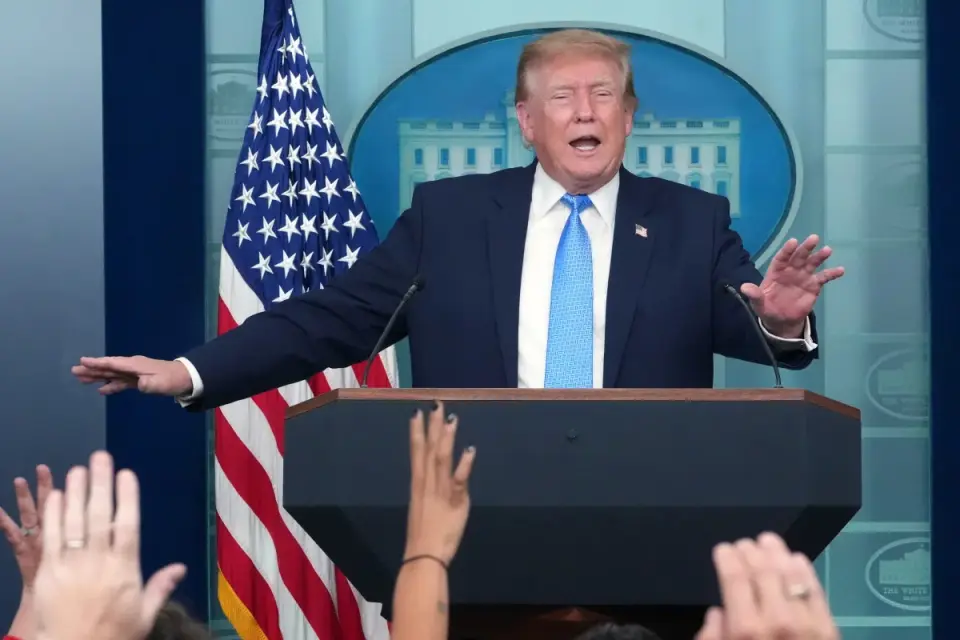
President Donald Trump stated on Monday that the conflict with Iran is 'militarily effectively over,' signaling a pause in bombardment while maintaining a naval blockade. This follows Republican losses in the midterm elections, which were influenced by high fuel costs. Trump indicated that further strikes are unlikely if diplomatic progress continues, though he confirmed the US has identified 38 bridges as potential targets. Simultaneously, House Republicans moved to impeach Defense Secretary Pete Hegseth over the war's execution.
Key points
- Trump told reporters that the war is 'militarily effectively over' and that the US is maintaining the status quo, though he described Iran as 'decapitated'.
- The president emphasized that military action is not currently necessary but stated the US is 'locked and loaded' in case circumstances change.
- The US continues to enforce a naval blockade on Iranian ports, with Trump calling it the 'greatest military blockade ever'.
- Trump confirmed the US has identified infrastructure targets, including 38 bridges, for potential strikes if negotiations fail.
- Republican Rep. Thomas Massie moved to force a vote to impeach Defense Secretary Pete Hegseth over his handling of the conflict.
- Iran has demanded the end of the blockade, lifting of sanctions, and compensation for war damage before engaging in nuclear talks.
Background
The conflict began eight months ago and has caused significant global economic repercussions, including a surge in fuel prices. The recent US midterm elections resulted in Democratic majorities in both chambers of Congress, a shift attributed to voter dissatisfaction with the war's economic impact. Previous coverage indicated that oil prices dropped nearly 6% following initial de-escalation signals, while Iranian officials had previously dismissed US claims of active dialogue. The current situation follows a period where Trump repeatedly threatened to escalate attacks but backed down at the last minute, often influenced by Gulf allies.
Why it matters
The declaration of a military pause offers temporary relief to global markets and energy sectors, which have been strained by the conflict. However, the continued naval blockade and the threat of renewed strikes on infrastructure targets create uncertainty for long-term stability. The impeachment move against Hegseth highlights deepening political divisions within the US government regarding the war's authorization and execution, potentially impacting future foreign policy decisions.
What to watch
Diplomatic negotiations are expected to continue, with Qatari officials having presented proposals on Iran's nuclear program. The outcome of the impeachment vote for Hegseth is anticipated, though it is expected to fail in the current House composition. The US will monitor Iran's compliance with the status quo, while Tehran continues to demand concessions such as the lifting of sanctions and unfreezing of assets before engaging in further talks.
Want the full story? Read the original reporting
Read on AP News