
Trump Weighs Declaring Iran Victory Without Nuclear Deal as Strait Stalemate Deepens
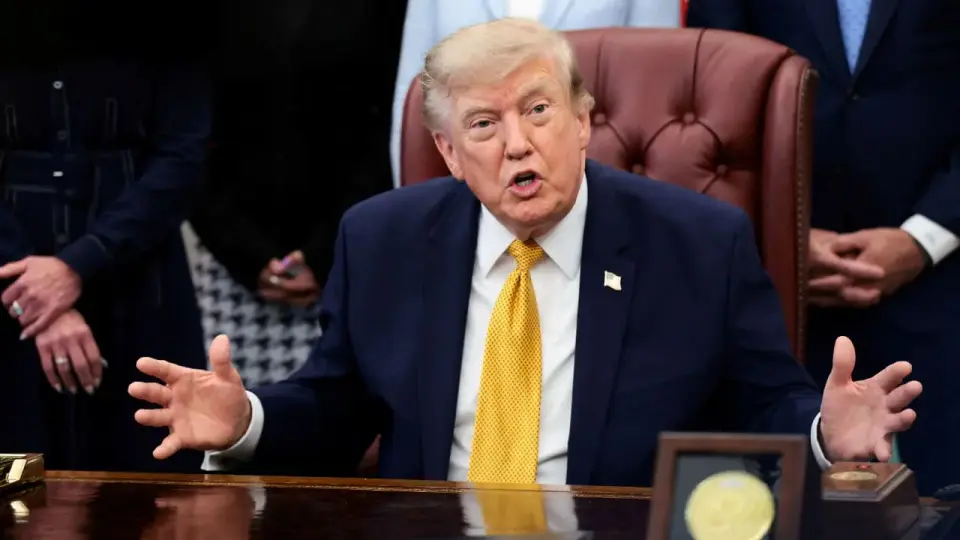
US President Donald Trump is considering declaring victory over Iran without a formal nuclear agreement, provided Tehran reopens the Strait of Hormuz and its nuclear program remains suppressed. While the White House views military objectives as complete, Iran’s IRGC has issued six hardline conditions for reopening the strait, including lifting sanctions and paying for war damages, creating a diplomatic impasse.
Key points
- Trump privately floated the idea to senior aides that he could extend the ceasefire indefinitely if Iran’s nuclear work stays in check and shipping resumes in the Strait of Hormuz, according to the Wall Street Journal.
- The White House stated that the US has completed all military objectives against Iran, with the primary focus now on securing energy flow through the strait while keeping military options on the table.
- IRGC commander Mohammad Bagher Zolghadr announced that the strait will not reopen until the US 'corrects its behavior,' listing six conditions including ending aggression, lifting the naval blockade, paying for war damages, and releasing frozen assets.
- Former National Counterterrorism Center Director Joe Kent urged Trump to withdraw US troops from the Middle East immediately, arguing that staying risks an uncontrollable escalation cycle and that sanctions relief could be used to open the strait after withdrawal.
- Trump halted planned strikes on Iran, claiming Iran requested a pause to reach a deal, but Iran’s semi-official Mehr News Agency dismissed this as a 'lie,' while Trump indicated negotiations would begin the following afternoon.
Background
This development follows a pattern of volatile ultimatums and delayed strikes since the conflict began, with the war entering its 23rd week without a durable settlement. Previous tensions include a Republican rift over Saudi nuclear deals and Trump’s recent decision to pull back on strikes after Middle Eastern allies urged restraint. The current standoff highlights the ongoing difficulty in achieving a face-saving exit for the US while Iran leverages its control of the Strait of Hormuz.
How outlets are covering it
The Wall Street Journal emphasizes Trump’s willingness to accept a de facto victory based on deterrence and intelligence capabilities, noting that Iran’s hardline demands complicate a diplomatic off-ramp. Fox News highlights the internal debate within the US administration, contrasting the White House’s stance on decisive action with Joe Kent’s call for immediate troop withdrawal to avoid escalation. While the White House frames the pause as a diplomatic opportunity, Iranian officials reject the narrative that they requested the halt, creating a divergence in how the ceasefire is interpreted by both sides.
Why it matters
The potential for a US exit without a formal nuclear deal could reshape global energy security and Middle East alliances. If the Strait of Hormuz reopens without a comprehensive agreement, it may set a precedent for resolving conflicts through deterrence rather than treaties, while the risk of renewed escalation remains high if Iran’s conditions are not met. The outcome will influence global oil prices and the future of US military presence in the region.
What to watch
Negotiations are expected to resume, with Trump indicating talks would begin the following afternoon. The key variable will be whether Iran accepts the US position on the strait’s reopening or insists on its six conditions. A failure to reach a deal could lead to a resumption of military strikes, while a successful withdrawal could signal a shift in US foreign policy toward reduced regional engagement.
- Donald Trump reportedly willing to walk away from Iran war without nuclear deal jpost.com
- Seeking to declare war over, Trump may drop nuclear issue if Iran opens Hormuz — report The Times of Israel
- Trump can declare Iran victory now and withdraw troops, former counterterror official argues Fox News
- Ex-Counterterrorism Chief Warns US Risks Being Pulled Back Into War, Says Leaving Would Prevent Iran From Benzinga
- US said to believe Iran unlikely to renew nukes work soon Breakingthenews.net
Want the full story? Read the original reporting
Read on jpost.com