
US-Belarus Potash Talks Face Logistics and Supply Constraints
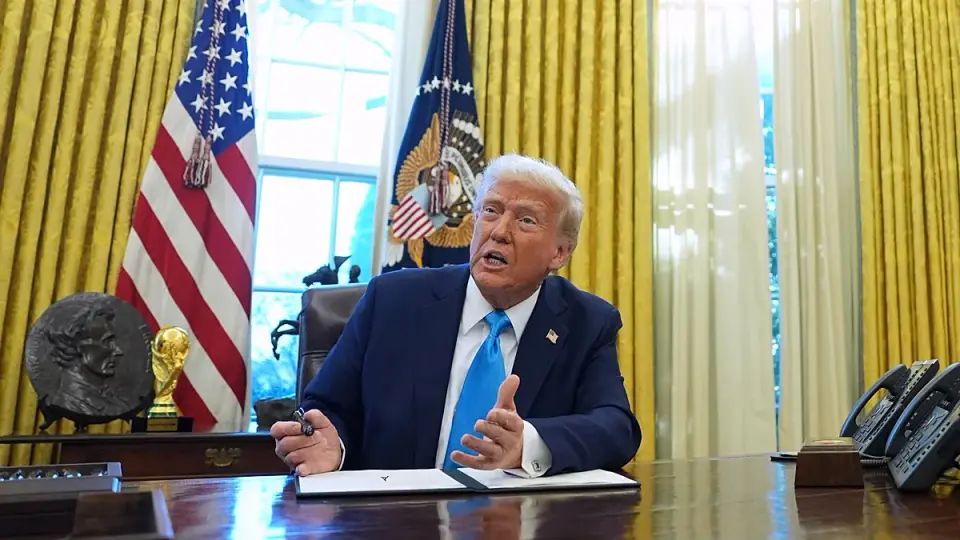
US President Donald Trump announced a 'massive' deal to import potash from Belarus, claiming it will undercut Canadian prices amid an ongoing trade dispute. However, Belarusian President Alexander Lukashenko stated that all 2026 fertilizer volumes are already contracted, and EU transit restrictions remain a significant logistical barrier. The move follows recent prisoner releases and sanctions relief in Washington-Minsk talks.
Key points
- Trump claims Belarusian potash will be 'substantially less' expensive than Canadian supplies, aiming to leverage the trade war against Ottawa.
- Lukashenko reported to his customs chief that Belarus cannot supply large volumes to the West because all 2026 fertilizer contracts are already filled.
- The EU bans Belarusian potash imports and has frozen assets of state producer Belaruskali, complicating transit through Baltic ports.
- US envoy John Coale’s recent talks led to the pardon of hundreds of political prisoners in exchange for easing US sanctions on Belarusian firms.
- Canada remains the primary supplier of potash for US farmers, making the Belarusian pivot a strategic alternative for Washington.
Background
This development follows a series of US-Belarus diplomatic moves in 2026. In September, Belarus freed 25 detainees in an interim deal that removed two state firms from US sanctions. Earlier in August, the US-Canada tariff clash raised concerns about fertilizer costs and supply disruptions, potentially pushing food prices higher. The current potash negotiations are part of a broader effort by Washington to diversify supply chains away from Canada while engaging with Minsk.
How outlets are covering it
Euronews emphasizes the strategic shift in US-Belarus relations, highlighting the contrast between Minsk’s support for Russia’s war in Ukraine and its new economic ties with Washington. In contrast, Nasha Niva focuses on the practical limitations of the deal, noting Lukashenko’s claim that no free volumes exist and pointing to EU transit refusals as the main obstacle. Yahoo News provided limited detail due to technical issues but confirmed the announcement of the deal. The outlets differ in focus: Euronews frames the story as a geopolitical pivot, while Nasha Niva highlights the logistical and contractual realities that may limit the deal’s impact.
Why it matters
The potential US-Belarus potash deal could reshape global fertilizer markets and reduce US dependence on Canadian supplies. However, logistical hurdles, including EU transit restrictions and existing contracts, may limit the deal’s immediate impact. The move also signals a significant shift in US foreign policy, prioritizing economic interests over geopolitical concerns regarding Belarus’s alignment with Russia.
What to watch
US envoy John Coale is expected to continue negotiations with Minsk, potentially leading to further sanctions relief or prisoner releases. The EU’s stance on transit through Baltic ports will be critical in determining whether the deal can proceed. Additionally, the outcome of US-Canada trade talks will influence the urgency and scale of the Belarusian potash imports.
- Trump promotes 'massive' Belarus potash deal to undercut Canada Euronews.com
- Trump Looks to Sideline Canadian Potash With Belarusian Supply Deal WSJ
- Trump says US is working on deal to purchase potash from Belarus Yahoo
- U.S. working on deal to buy potash from Belarus for lower price than Canada, Trump says CTV News
- Lukashenka: Even if we wanted to supply potash to the West, there's nothing to supply Наша Ніва
Want the full story? Read the original reporting
Read on Euronews.com