
Trump Rejects Iran's Hormuz Deal, Citing Economic Collapse
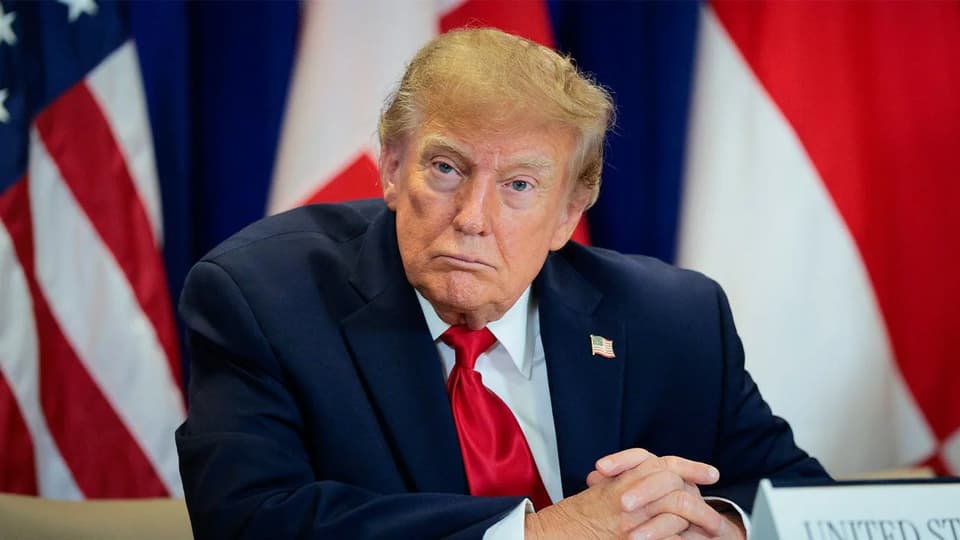
President Donald Trump rejected a new Iranian proposal to reopen the Strait of Hormuz, arguing that Tehran is 'dying' economically and outsmarted itself by closing the waterway. While the US maintains a naval blockade, Iran insists on a definitive diplomatic response before negotiating. The conflict has driven global shipping traffic down 75% and raised US gas prices to $4.49 per gallon.
Key points
- Trump dismissed Iran's offer to reopen the Strait of Hormuz within seven days, stating the deal was 'unacceptable' because Iran is losing the war and facing severe economic distress.
- Iranian Foreign Minister Abbas Araghchi stated that Tehran is waiting for a definitive official US response via mediators, noting that Trump has made contradictory statements in the past.
- Treasury Secretary Scott Bessent announced that 'Operation Economic Outcast' is forcing Turkey, Oman, and the UAE to halt Iranian airline flights and stop banking transactions with Tehran.
- The UK Maritime Trade Operations Centre reported that commercial traffic through the Strait of Hormuz is 75% below pre-war levels, contributing to a rise in US gas prices to $4.49 per gallon.
- Iranian President Masoud Pezeshkian adjusted his UN General Assembly address to explicitly defend Tehran's positions after hearing Trump's rejection, while Iranian military officials warned that they remain prepared for further US strikes.
Background
The current standoff follows a June memorandum of understanding that collapsed after the US resumed bombing in July. Previous coverage noted that Iran had claimed control of the strait and imposed transit fees, while Trump had threatened to declare the waterway US territory. The conflict has now entered its seventh month, with the US maintaining a naval blockade and Iran attacking civilian shipping.
How outlets are covering it
Fox News emphasizes the US military and economic dominance, highlighting Trump's claim that the blockade is a 'wall of steel' and that Iran is 'dying' from a lack of revenue. CNN and BBC focus on the diplomatic impasse, noting that Iran is waiting for a formal response and that the US is in a 'strong position' but not in a rush. While the US administration frames the rejection as a victory, Iranian officials argue that the US cannot expect security without meeting the conditions of the previous memorandum. Some economists, as noted by the BBC, question the long-term effectiveness of the sanctions given China's continued trade with Iran.
Why it matters
The rejection of the ceasefire proposal increases the risk of renewed US strikes, potentially after the November midterm elections. The ongoing blockade and economic pressure are causing significant global energy price spikes and disrupting international shipping, while the diplomatic deadlock leaves the region vulnerable to further escalation involving proxy groups like the Houthis.
What to watch
Iran is awaiting a definitive US response through Omani mediators before deciding on its next move. The US is expected to maintain its naval blockade and economic sanctions, with potential renewed military strikes discussed for the post-election period. Regional powers, including Oman and Saudi Arabia, are urging cooperation to restore navigation and de-escalate the conflict.
- Trump says Iran 'outsmarted themselves' over the Strait of Hormuz Fox News
- Exclusive | Trump Rejects Iran Ceasefire, Expects Renewed Bombing After Midterms WSJ
- US helps double oil volume exiting the Gulf, with the military now guiding ships in broad daylight Fortune
- Trump rejects proposal to reopen the Strait of Hormuz. Iran says it is awaiting definitive US position cnn.com
- Iran says it will wait for official US response after Trump rejects Strait of Hormuz proposal BBC
Want the full story? Read the original reporting
Read on Fox News