
Trump Rejects Iran’s Hormuz Reopening Offer as Tensions Escalate
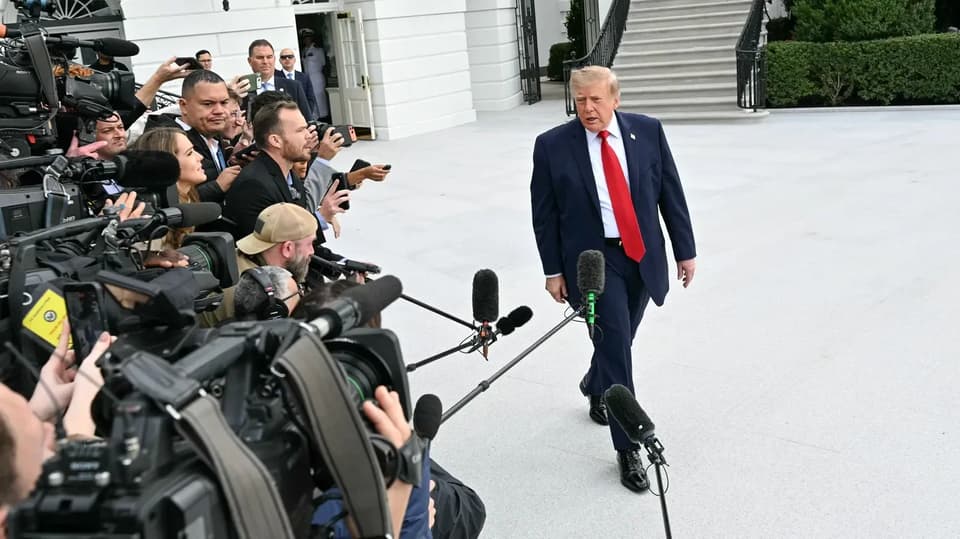
President Donald Trump has rejected a latest Iranian proposal to reopen the Strait of Hormuz, calling the offer 'unacceptable' and suggesting Tehran is making the move because it is 'losing badly' in the ongoing conflict. While the US claims to have transported a record amount of oil through the strait recently, Iranian military leadership warns that the war is not over and that forces are prepared for renewed attacks. Analysts suggest the US may be miscalculating its leverage, with some warning that escalation could occur before the US midterms. Meanwhile, Iran’s President Masoud Pezeshkian has stated that the country no longer trusts talks with Washington, and a top general has vowed to 'consolidate victory' over the US and Israel.
Key points
- Trump rejected Iran’s latest proposal to reopen the Strait of Hormuz, calling it 'unacceptable' and claiming Tehran is 'losing badly'.
- Iranian military leadership warns the war is not over and that forces are prepared for renewed attacks, with a general vowing to 'consolidate victory'.
- US President Trump claims the US transported a record amount of oil through the Strait of Hormuz recently, predicting oil prices will drop once the war ends.
- Iran’s President Masoud Pezeshkian has stated that Iran no longer trusts talks with Washington, while Tehran maintains diplomacy is the only viable resolution.
- Analysts warn the US may be miscalculating its leverage, with some suggesting renewed military action is a real possibility before the US midterms.
Background
This development follows a period of heightened tensions between the US and Iran, including Iranian state media provocations such as an alleged bounty on Barron Trump in August 2026. The conflict has also been linked to broader geopolitical shifts, including a global bond market sell-off attributed to Trump’s trade policies in September 2026. Additionally, concerns about Trump’s mental fitness and behavior have been raised by critics, including his niece Mary Trump, in the same month.
How outlets are covering it
Axios reports that Trump rejected the Iranian proposal, while Al Jazeera provides a broader context of the ongoing war, including Iran’s military stance and diplomatic positions. Al Jazeera also highlights the US claim of transporting record oil through Hormuz and the potential for escalation, whereas Axios focuses on Trump’s rejection of the proposal. The two outlets differ in emphasis: Axios centers on Trump’s decision, while Al Jazeera provides a more comprehensive view of the conflict, including Iran’s military and diplomatic responses, as well as the potential for renewed military action.
Why it matters
The rejection of Iran’s proposal to reopen the Strait of Hormuz could lead to further escalation in the US-Iran conflict, with potential implications for global oil prices and regional stability. The ongoing tensions also reflect broader geopolitical shifts, including the impact of Trump’s trade policies on global markets and concerns about his mental fitness and decision-making. The situation underscores the complex dynamics of the Middle East conflict and the potential for further military action.
What to watch
The next steps could include renewed military action between the US and Iran, as warned by analysts, or a potential diplomatic breakthrough if Iran’s proposal is reconsidered. The US midterms may also play a role in shaping the outcome, as the conflict could influence voter sentiment. Additionally, the situation in the Strait of Hormuz could impact global oil prices and regional stability, with potential implications for other Middle East conflicts, such as the Yemen war and the Israeli-Palestinian conflict.
- Trump says he rejected the latest Iranian proposal Axios
- Iran insists on diplomatic solution after Trump rejects peace plan Reuters
- Iran Says Won’t Soften Demands After Trump Rejects Hormuz Offer bloomberg.com
- Iran war live: Tehran vows not to back down as Trump rejects Hormuz plan Al Jazeera
- Exclusive | Trump Rejects Iran Ceasefire, Expects Renewed Bombing After Midterms WSJ
Want the full story? Read the original reporting
Read on Axios