
US Sanctions and Hormuz Mine-Clearing Mark Six-Month Iran War Milestone
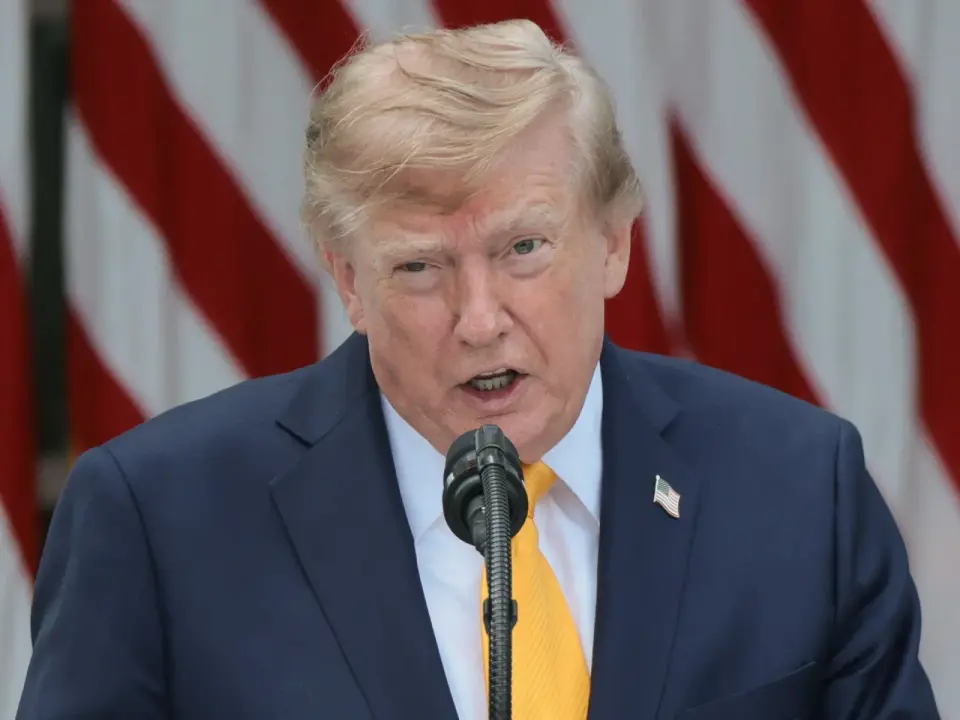
As the US-Iran conflict reaches its six-month mark, President Trump has declared the Strait of Hormuz free of mines and announced 'Operation Economic Outcast,' a new wave of secondary sanctions targeting Iran’s trade partners. While Washington claims economic pressure is forcing Tehran to the brink, Iran maintains resilience, and analysts question whether these measures will compel a return to negotiations, especially given China’s refusal to cut ties with Tehran.
Key points
- US forces cleared mines from the Strait of Hormuz, with CENTCOM confirming the safe passage of 1,500 commercial vessels, though Iran has not officially acknowledged the clearance.
- The US Treasury imposed secondary sanctions on 60 entities in various countries, including China, aiming to isolate Iran economically, a move Beijing condemned as 'illegal unilateral sanctions.'
- Trump stated he has 'no time schedule' for Iran to return to talks, contrasting with earlier predictions that the war would last only four to six weeks.
- The Iranian rial hit an all-time low against the dollar, causing food and medicine prices to skyrocket, with cooking oil prices rising by 177 percent.
- US forces struck two rocket launch sites on Larak Island after Iran was observed preparing sea mines, with the IRGC vowing retaliation.
Background
The conflict began on February 28, 2026, with joint US-Israeli strikes. A 60-day memorandum of understanding signed in June to address the Strait of Hormuz and nuclear issues expired in August without a permanent deal. Previous strategic disagreements, including debates over land blockades and nuclear deals, have persisted since the war's onset.
How outlets are covering it
Al Jazeera emphasizes the humanitarian impact on Iranians and the resilience of Tehran, noting that analysts doubt sanctions will force a policy shift. BBC highlights the strategic importance of the Strait of Hormuz and the diplomatic friction between the US, Iran, and Oman regarding navigation rights. ABC News focuses on the military escalation, including strikes on Larak Island and the interception of missiles in Jordan. France 24 reports on the broader geopolitical fallout, including China’s defense of its trade interests and the UK’s support for US diplomatic efforts.
Why it matters
The conflict affects global energy markets, as 20% of world oil transits the Strait of Hormuz. The new sanctions risk destabilizing global financial systems and deepening the economic crisis in Iran, while the lack of a diplomatic resolution prolongs regional instability and military tensions.
What to watch
Iran and Oman are negotiating a temporary shipping corridor, but no agreement has been reached. The US is preparing to send diplomats back to Middle East embassies, while China is expected to retaliate against US sanctions. Further military strikes or diplomatic breakthroughs remain uncertain as the six-month mark passes.
- Trump tells Al Jazeera ‘not in a hurry’ for Iran to return to talks Al Jazeera
- Trump says all mines cleared from Strait of Hormuz BBC
- Iran live updates: Iran, Oman ministers hold 'constructive' Strait of Hormuz talks ABC News - Breaking News, Latest News and Videos
- Rosie O’Donnell Rags on Trump’s Strait of Hormuz Claims The New York Times
- Trump says Strait of Hormuz demined, warns of ‘zero tolerance’ for new mines France 24
Want the full story? Read the original reporting
Read on Al Jazeera