
Trump Vows End to 'Epic Fury' as Iran Escalates Threats Amid Hormuz Crisis
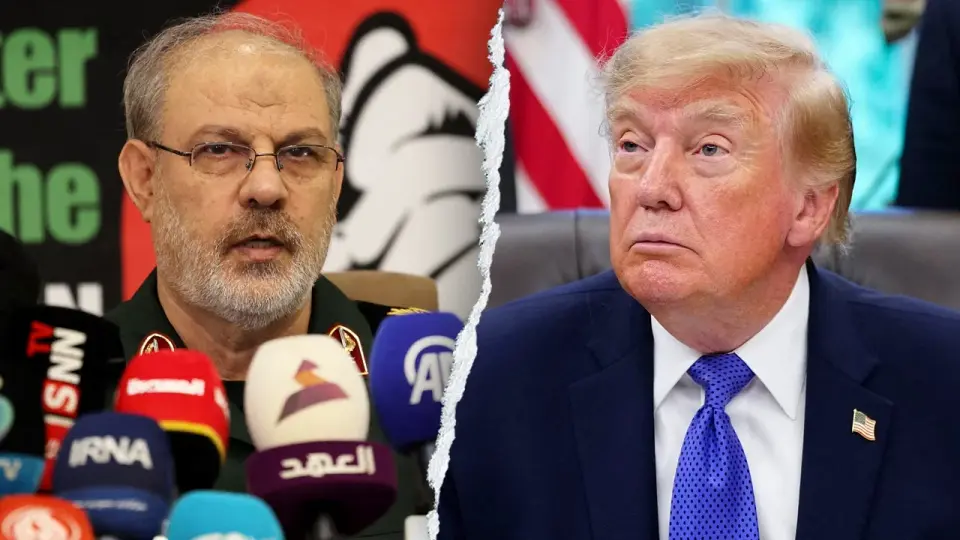
President Trump declared that the US-Iran conflict, dubbed 'Operation Epic Fury,' is nearing its end, asserting that Iran is 'failing very badly' and will not acquire nuclear weapons. Simultaneously, Iranian officials intensified rhetoric, warning that global oil flows will halt if Tehran cannot sell its own, while security forces in Iran moved to suppress student protests and clashes erupted in the southeast. The US Treasury imposed new sanctions on Iranian weapons procurement networks, and Iraq opened a new fuel route via Syria to bypass the closed Strait of Hormuz.
Key points
- Trump stated at a White House event that the war is 'over with very soon' and predicted oil prices will fall, claiming total control of the Strait of Hormuz.
- Iranian Supreme National Security Council Secretary Mohsen Rezaei claimed Trump is 'trapped in a quagmire' and unable to negotiate or fight, labeling US restrictions an 'aerial blockade.'
- Iranian Parliament Speaker Mohammad Bagher Ghalibaf warned that if Iran cannot sell oil, 'no one will sell oil,' threatening regional infrastructure if security is not ensured.
- The US Treasury sanctioned 10 individuals and entities linked to Iranian weapons procurement networks spanning China, Pakistan, and Turkey as part of 'Operation Economic Outcast.'
- Iranian security forces deployed 51,000 personnel in Greater Tehran to suppress student protests over hijab rules and education costs, according to the National Council of Resistance of Iran.
- Iraq began importing gasoline through Syria’s Baniyas port under a new three-month agreement to bypass the closed Strait of Hormuz, which previously handled 20% of global oil trade.
Background
This escalation follows a July 2026 memorandum of understanding collapse and Trump’s August 2026 claim that the Strait of Hormuz is US territory, which Iran rejected. In September 2026, Iran proposed a phased deal to reopen the strait contingent on US lifting sanctions, but refused nuclear concessions. The current tensions reflect a deadlock where the US enforces a naval blockade while Iran faces internal unrest and economic pressure, with oil exports through Hormuz dropping to half pre-war levels.
Why it matters
The conflict threatens global energy markets, with the Strait of Hormuz closure disrupting 20% of traded oil and gas. US sanctions and military pressure aim to contain Iran’s nuclear program and influence, while Iran’s threats to halt global oil flows could trigger economic instability. The internal unrest in Iran and regional clashes in Yemen and Gaza indicate broader instability, affecting international trade and security dynamics in the Middle East.
What to watch
Watch for potential negotiations or further military actions as Trump predicts the war's end. Monitor oil prices and Hormuz traffic, as well as Iranian internal stability amid security crackdowns. The US may continue sanctions and SPR releases to stabilize markets, while Iran could escalate threats or seek diplomatic breakthroughs. Regional actors like Qatar and Iraq will likely adjust energy strategies to mitigate Hormuz disruptions.
Want the full story? Read the original reporting
Read on Fox News