
Trump halts 'decapitation' strike as Iran denies US talks
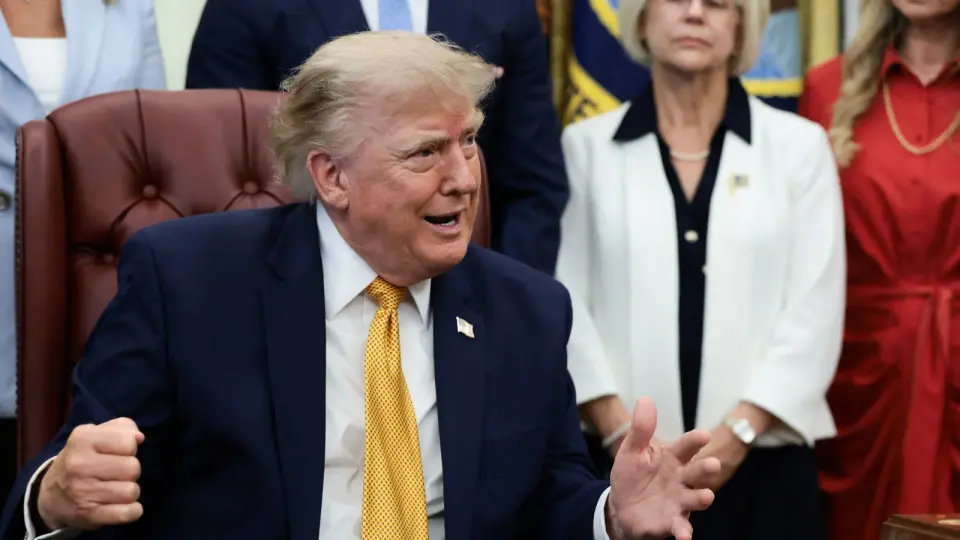
President Trump paused a massive planned strike on Iran, calling it his 'last chance' for a deal before 'decapitation.' He claimed negotiations were underway to reopen the Strait of Hormuz and address nuclear capabilities, but Tehran denied any direct talks, stating it was only discussing safe routes with Oman. The pause follows a pattern of threatened attacks and last-minute cancellations during the six-month conflict.
Key points
- Trump canceled a large-scale attack, described as the biggest since World War II, citing requests from Saudi Arabia, the UAE, and Qatar.
- Iranian Foreign Ministry spokesperson Esmaeil Baghaei denied active US-Iran negotiations, confirming only discussions with Oman regarding a temporary safe route.
- Trump asserted on Truth Social that Iran is 'duplicitous' for denying talks while simultaneously claiming negotiations are proceeding.
- The conflict has resulted in at least 18 US service member deaths and rising gas prices, with over two-thirds of Americans disapproving of the war's handling.
- Trump stated he is under 'no time constraint' regarding the conflict, despite political risks ahead of November midterms.
Background
This latest standoff follows a volatile six-month war that began in late February. Previous cycles of strikes and pauses include a June memorandum of understanding that collapsed in July, leading to 13 consecutive nights of airstrikes. Earlier warnings in April about a 'whole civilization dying' and May threats of total control over oil industries highlight the recurring pattern of escalation and de-escalation.
How outlets are covering it
USA Today and NBC News emphasize the direct contradiction between Trump's claim of active talks and Iran's denial, with Trump accusing Tehran of being 'duplicitous.' AP News frames the event as part of a broader historical pattern of Trump threatening massive strikes only to cancel them hours later, noting that previous pauses have often been followed by renewed attacks. While USA Today highlights the political risk to Republicans, NBC News focuses on the regional diplomatic efforts involving Saudi Arabia and Oman.
Why it matters
The unresolved status of the Strait of Hormuz continues to disrupt global trade and energy prices. The lack of a clear diplomatic path, combined with high domestic opposition to the war, creates significant political instability for the administration ahead of the midterm elections.
What to watch
The US and Iran will monitor whether the claimed negotiations materialize or if the pause collapses. The US State Department has urged Americans in the Middle East to prepare for potential departures, indicating the threat of renewed strikes remains high despite the current pause.
- Trump warns he's giving Iran 'last chance' to avoid 'decapitation' USA Today
- Live Updates: Despite Trump's remarks, no new negotiations with Iran are planned, U.S. officials tell CBS News CBS News
- Oil Holds Decline as Trump Says Talks Are Iran’s ‘Last Chance’ Bloomberg.com
- Trump calls Iranian leadership ‘extremely duplicitous’ after Tehran denies new talks will start Monday NBC News
- Trump frequently announces he’s halting strikes in Iran. But they keep happening AP News
Want the full story? Read the original reporting
Read on USA Today