
Trump's Russian Diesel Deal Faces Legal and Strategic Backlash
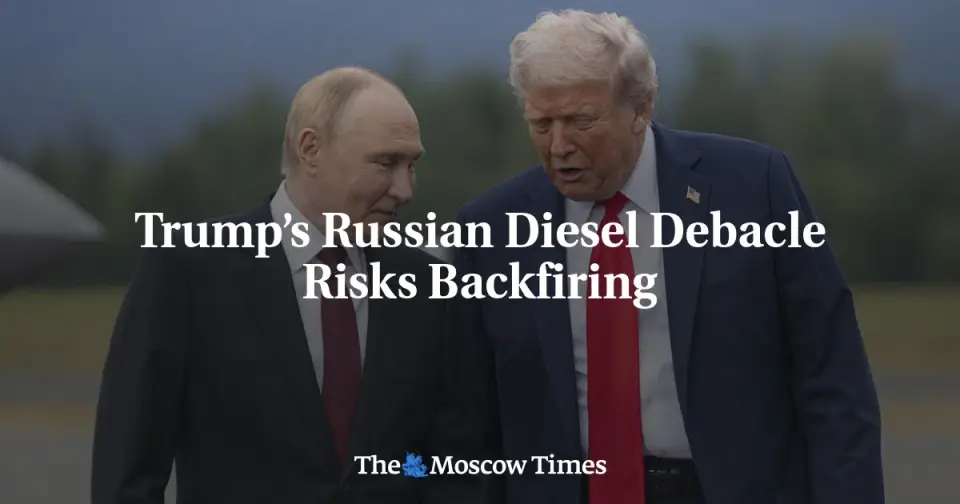
President Trump’s Oct. 9 announcement to import Russian diesel has triggered a bipartisan backlash, with critics arguing the move violates 2022 sanctions and funds Russia’s war in Ukraine. While the administration claims the deal will lower fuel prices ahead of the Nov. 3 midterms, analysts doubt its impact, noting that high costs stem largely from the Iran conflict. The move has strained transatlantic relations and raised questions about the legality of bypassing congressional bans on Russian energy imports.
Key points
- Trump announced a deal to import Russian diesel on Oct. 9, aiming to reduce domestic fuel prices before the Nov. 3 midterms.
- A bipartisan group of senators declared the trade illegal, citing the 2022 ban on Russian energy imports and the Lindsey Graham Act.
- Energy experts argue the modest volumes of diesel are unlikely to significantly lower prices, which remain high due to the Iran war.
- The deal has strained relations with NATO allies, with the Dutch defense minister labeling Russia 'our enemy.'
- Trump has threatened to cut off intelligence and Patriot missile support to Ukraine if it continues targeting Russian refineries.
Background
This development follows a series of shifting U.S. policies toward Russia in 2025, including the abandonment of demands for an immediate ceasefire and the threat of new sanctions. The current diesel deal is seen by some as a repeat of past unilateral concessions to Moscow, which weakened U.S. negotiating leverage. Earlier in 2026, the U.S. granted a temporary license for Russian oil shipments to mitigate supply shocks from the Iran war, but the current move is distinct in its direct targeting of U.S. markets.
How outlets are covering it
The Moscow Times argues the deal is a strategic failure, noting that it rewards Russia without securing a quid pro quo and contradicts the need to constrain Moscow to end the war. CNN frames the move as part of a broader pattern of Trump’s coercive and transactional instincts, linking it to other controversial actions like the planned livestreamed execution of a mass shooter. WRAL highlights the legal and political backlash, emphasizing that the deal violates the 2022 sanctions law and has drawn criticism from both Republicans and Democrats. While The Moscow Times focuses on the geopolitical incoherence of the policy, CNN and WRAL emphasize the domestic political and legal ramifications, including the potential impact on midterm elections and the erosion of U.S. alliances.
Why it matters
The diesel deal underscores the tension between Trump’s domestic political goals and U.S. foreign policy commitments. If the move is deemed illegal or fails to lower prices, it could further erode public support for the administration ahead of the midterms. Additionally, the strain on transatlantic relations and the potential cut-off of aid to Ukraine could have long-term implications for U.S. security interests and its role as a global ally.
What to watch
The administration is expected to defend the legality of the deal, while Congress may move to enforce the 2022 sanctions law. The Lindsey Graham Act’s provisions, which go into effect on Oct. 18, could be tested if the diesel imports proceed. Trump may also follow through on threats to cut off aid to Ukraine, potentially leading to a prolonged reduction in U.S. support for Kyiv.
- Trump’s Russian Diesel Debacle Risks Backfiring The Moscow Times
- Russia deal, execution plans and deportations tell a defining tale about Trump and power CNN
- Trump's diesel deal with Putin draws criticism from a frustrated Congress WRAL
- Why Trump’s Diesel-Supply Deal With Russia Won’t Ease Fuel Prices Much WSJ
- Trump Gives Putin a Hand in Russia’s Economic War With Ukraine The New York Times
Want the full story? Read the original reporting
Read on The Moscow Times