
Ukraine Resumes Refinery Strikes Amid Starlink Restrictions and US Intelligence Gaps
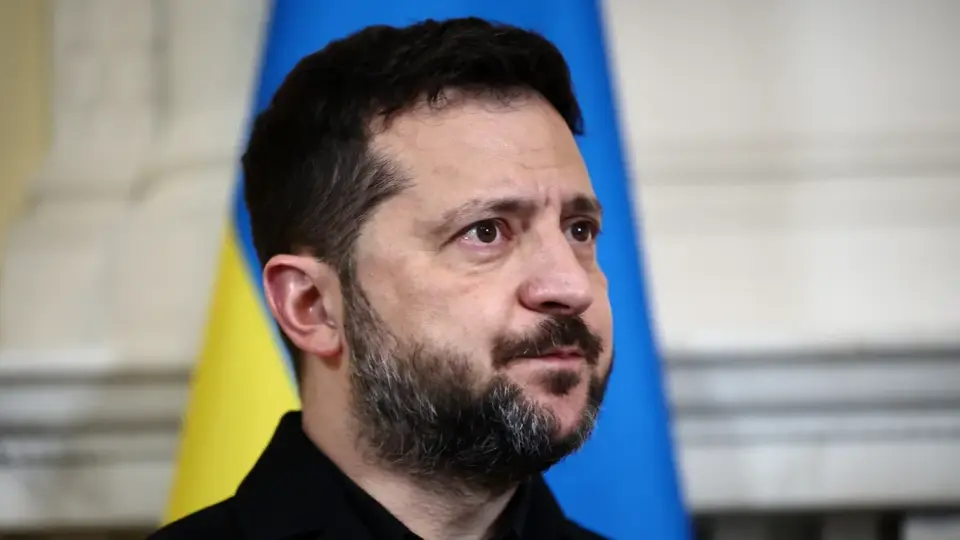
Ukraine has resumed drone strikes on Russian oil refineries after a three-day pause, citing Russian violations of a US-brokered 'energy ceasefire.' President Volodymyr Zelenskyy accused Washington of 'dangerously' restricting Starlink satellite services and halting military intelligence sharing, actions he views as pressure tactics to force concessions. A fire was reported at a refinery in the Ryazan region shortly after Zelenskyy declared the blockade on attacks over.
Key points
- Zelenskyy stated the pause on refinery attacks was over, calling US actions 'dangerous' and expressing feelings of betrayal.
- Ukraine resumed strikes after Russia allegedly violated the ceasefire by continuing attacks on Ukrainian power grids.
- Starlink satellite services were restricted, disrupting Ukraine's ability to intercept Russian drones and conduct battlefield missions.
- US intelligence sharing was reportedly suspended or limited, with Ukrainian officials claiming they were warned that intelligence would be blocked if strikes continued.
- More than 850 Russian drones were reported in Ukrainian skies on Thursday, coinciding with the Starlink slowdown.
Background
This escalation follows a series of high-intensity exchanges in October 2026. Earlier this month, Ukraine struck the Omsk refinery, contributing to a 20-year low in Russian oil processing. A deadly Russian glide bomb strike in Kramatorsk killed 30 people on October 9, prompting further Ukrainian retaliation. The current crisis marks a sharp deterioration in US-Ukraine relations, contrasting with previous periods where Starlink was a critical, stable asset for Ukrainian defense.
How outlets are covering it
NBC News emphasizes the strategic impact of the Starlink restrictions and intelligence gaps, noting that military experts believe these moves could severely undermine Ukraine's defensive capabilities as winter approaches. The Financial Times, via its headline, frames the situation as Zelenskyy defying Trump, highlighting the political rupture between the two leaders. Axios focuses on the immediate tactical outcome: the resumption of refinery strikes and the restoration of Starlink services. While all sources agree on the resumption of attacks, NBC News provides the most detailed account of the intelligence sharing dispute, whereas the Financial Times focuses on the diplomatic fallout.
Why it matters
The collapse of the 'energy ceasefire' signals a potential shift in US policy toward pressuring Ukraine into concessions. The restriction of Starlink and intelligence sharing threatens Ukraine's ability to defend against Russian drone swarms, potentially altering the battlefield balance. This development also raises questions about the reliability of US support and the geopolitical leverage held by private entities like SpaceX in conflict zones.
What to watch
Ukraine is expected to continue targeting Russian oil infrastructure to disrupt fuel supplies. The US may face pressure to restore full intelligence and satellite support if the current restrictions do not yield diplomatic concessions. European allies are likely to increase scrutiny of US actions, potentially seeking alternative support mechanisms for Ukraine.
- Ukraine hits Russian refinery as Starlink satellite services are restored Axios
- Zelenskyy defies Trump as Ukraine resumes strikes on Russian refineries Financial Times
- Zelensky Says Ukraine Will Resume Russian Refinery Strikes, Defying Trump The New York Times
- ‘We’re done’: Ukraine resumes strikes on Russian oil refineries as anger at Trump mounts NBC News
- Ukraine resumes attacks on Russian oil refineries as relations with Trump sour PBS
Want the full story? Read the original reporting
Read on Axios