
US Military Drafts Plans to Deploy MOAB Against Iranian Nuclear Sites Amid Midterm Pressure
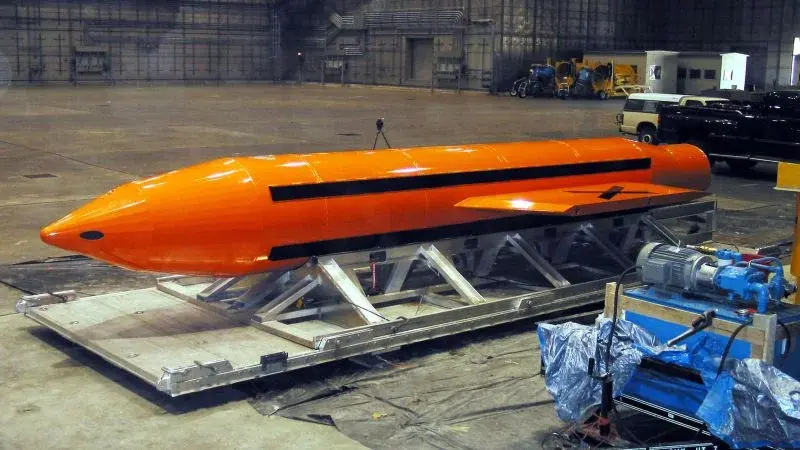
US military officials have developed new strike plans that include the potential use of the GBU-43/B Massive Ordnance Air Blast (MOAB) bomb against Iranian energy infrastructure and nuclear sites, including the Pickaxe Mountain facility. These plans are being prepared in case President Donald Trump orders a resumption of combat operations before or after the upcoming midterm elections. While the MOAB is the largest non-nuclear weapon in the US arsenal, military sources question its effectiveness against deeply buried targets, noting it is designed for surface-level area clearance rather than deep penetration. The administration faces pressure to end the unpopular war without declaring defeat, leading to discussions about using the bomb as a psychological tool to force a diplomatic off-ramp.
Key points
- New strike plans include targeting Iranian energy infrastructure and nuclear sites with the MOAB.
- The MOAB is the largest non-nuclear bomb in the US arsenal, weighing 21,600 pounds.
- Military sources doubt the MOAB can penetrate deep enough to destroy fortified underground nuclear facilities like Pickaxe Mountain.
- The weapon is described as a 'psychological operations' tool intended to alter the conflict's status quo without full-scale war.
- Trump has pledged to hold off on new strikes before the midterms but has not ruled out changing his mind.
- US officials are seeking a 'symbolic' win to end the war without admitting defeat or deploying ground troops.
Background
This development follows months of US bombing campaigns against Iran that have not yielded a negotiated resolution. The conflict has become deeply unpopular among American voters, creating political pressure on the administration ahead of the midterm elections. Previous archive coverage highlights ongoing tensions, including recent charges against Iranian nationals in the UK for plotting attacks, which underscores the broader security concerns surrounding Iranian-linked threats. The current situation reflects a strategic dilemma where the US seeks to end the war without the political cost of a ground invasion or the perception of defeat.
Why it matters
The potential use of the MOAB represents a significant escalation in the US-Iran conflict, signaling a shift toward high-impact, psychological warfare tactics. If deployed, it could alter the balance of power without committing to a full-scale ground invasion, which many analysts view as the only way to decisively defeat Iran but which carries the risk of thousands of American casualties. The move also highlights the administration's struggle to find a diplomatic off-ramp that allows Trump to claim victory while avoiding the political backlash of a prolonged, unpopular war.
What to watch
The next few weeks are critical as the US military prepares for potential Iranian retaliation and rotates troops in the Central Command area of responsibility. Trump may decide whether to launch the MOAB strikes before or after the midterm elections, potentially using them as a 'fireworks show' to force a diplomatic breakthrough, such as reopening the Strait of Hormuz. The outcome will depend on whether the psychological impact of the bomb can compel Iran to negotiate or if it will lead to further escalation.
Want the full story? Read the original reporting
Read on CNN