
Vance signals shift on Iran enrichment as US weighs strikes before midterms
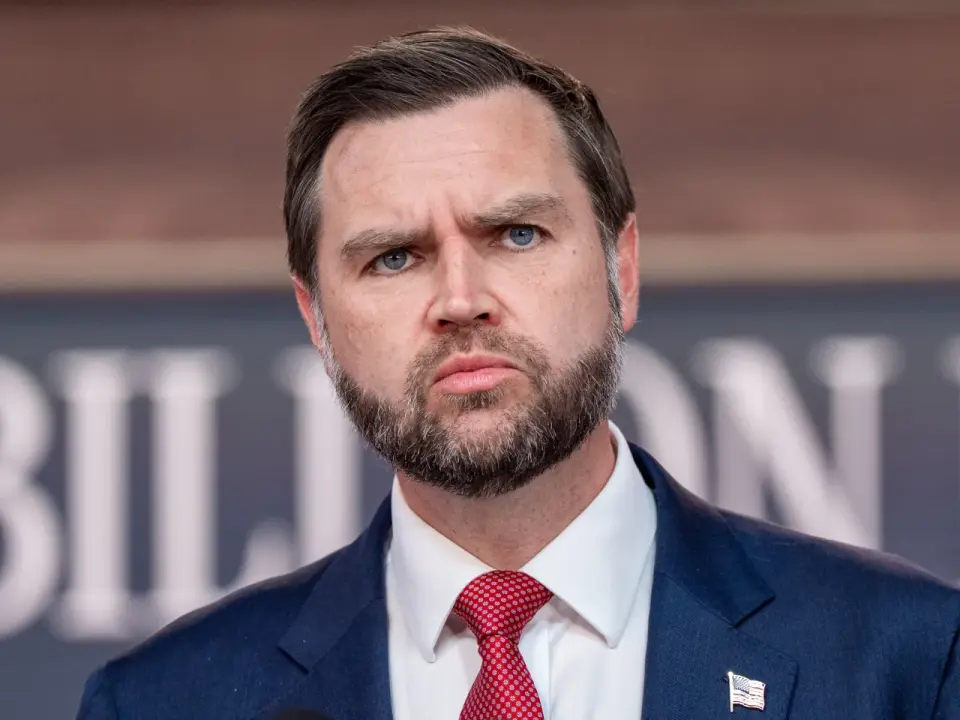
US Vice President JD Vance has proposed a 'meaningful' reduction in Iran’s uranium enrichment as a condition for ending the war, marking a potential softening from Washington’s previous demand for total cessation. While Tehran rejects negotiations as 'futile' due to ongoing US military pressure, the US is simultaneously preparing potential strikes ahead of November’s midterm elections. The core dispute remains not just nuclear capability, but the lifting of sanctions and naval blockades.
Key points
- Vance stated Iran must stop producing 60% enriched fuel to prove it does not seek nuclear weapons, a shift from the prior US stance requiring zero enrichment.
- Iranian President Masoud Pezeshkian called negotiations 'futile,' accusing the US of attacking Iran three times after previous talks and failing to honor promises.
- The White House has asked the Pentagon to develop options for strikes on Iranian targets before the November 3 midterm elections, according to The Atlantic.
- Iran’s latest proposal, rejected by Trump, sought to reopen the Strait of Hormuz within seven days of a ceasefire, followed by nuclear negotiations.
- Gulf oil exports have recovered to over 81% of pre-war levels, but attacks on vessels continue, complicating the security situation.
Background
This development follows months of escalating US-Israel-Iran conflict, including a June 2025 memorandum of understanding that briefly eased tensions before collapsing. Earlier in 2026, US officials had expressed doubt about the possibility of a nuclear deal, while Iran maintained its program was civilian. The current standoff occurs against a backdrop of broader regional instability, including Israel’s war in Gaza and shifting security alliances in the Gulf.
How outlets are covering it
Al Jazeera highlights a potential US shift from demanding zero enrichment to accepting a 'meaningful' reduction, noting that experts believe Tehran’s primary concerns are sanctions and blockades, not nuclear capability. Fox News emphasizes the US military posture, reporting that the White House is weighing strikes before the midterms and that officials view Iran’s economy as 'in freefall.' The Independent notes that Trump has called off attacks for nearly a month amid 'productive' talks, contrasting with the hardline rhetoric from other US officials. Iranian officials, via IRNA, reject the premise of negotiations, labeling US actions as 'false flag' operations and asserting that talks are futile while war continues.
Why it matters
The outcome of these negotiations will determine the stability of the Strait of Hormuz, a critical global oil route. A failure to reach a deal could lead to renewed military strikes, potentially spiking oil prices and disrupting global energy markets ahead of the US midterm elections. The shift in US demands may also signal a broader change in how Washington approaches nuclear non-proliferation in the region.
What to watch
The US is expected to finalize decisions on potential strikes before the November 3 midterms. Iran may respond to the US proposal by either engaging in talks if sanctions relief is guaranteed or by escalating military actions. The status of the Strait of Hormuz and the flow of Gulf oil will remain key indicators of the conflict's trajectory.
- US sets new demands for Iran deal: What are they? Al Jazeera
- Vance presses Iran for 'meaningful' reduction in nuclear capability to end war Fox News
- EXCLUSIVE: Vance says Iran must cut enrichment to end war Reuters
- Vance Says Iran Must Cut Nuclear Enrichment To End War Yahoo
- Iran-US war live: JD Vance says one ‘basic’ step could end Tehran’s nuclear threat The Independent
Want the full story? Read the original reporting
Read on Al Jazeera