
25 Years After 9/11: The Human and Financial Toll of the War on Terror
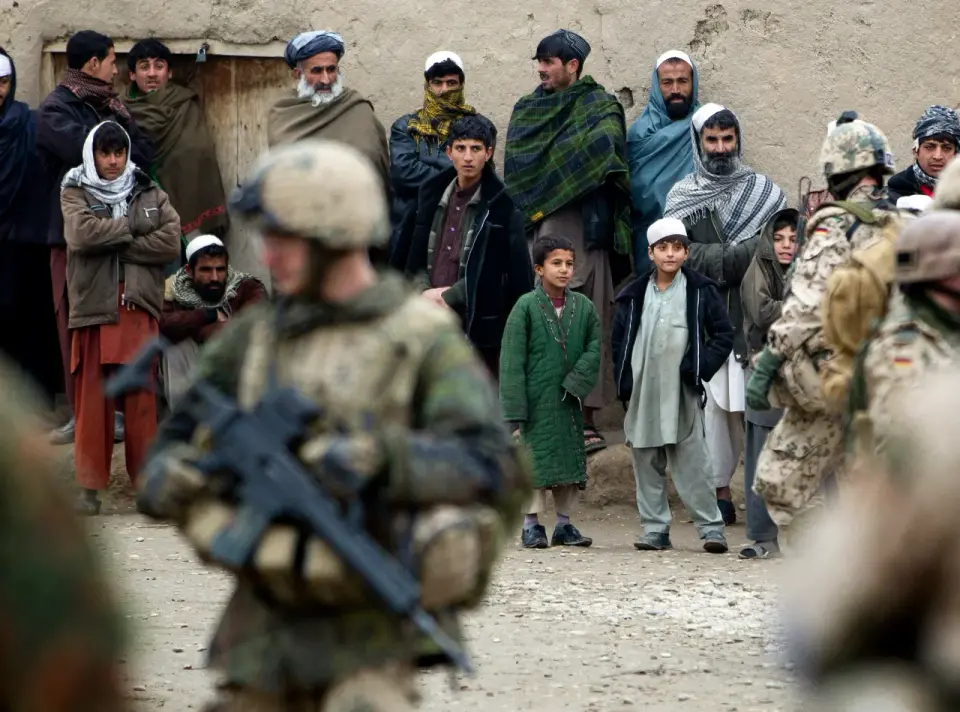
Twenty-five years after the September 11 attacks, a comprehensive review of the subsequent US-led wars reveals a catastrophic human and economic cost. According to the Costs of War project at Brown University, these conflicts have resulted in approximately 4.5 to 4.7 million deaths and displaced over 38 million people. While the initial response to 9/11 was viewed as heroic and unifying, the long-term legacy is characterized by isolation, massive debt, and unresolved security threats. The financial burden is estimated at $8 trillion, with significant portions still unpaid for veteran care. Critics argue that the post-9/11 era institutionalized panic, leading to policies that weakened the US globally and failed to address other critical global challenges.
Key points
- The Costs of War project estimates 4.5 to 4.7 million total deaths from US-led wars since 2001, including 940,000 direct deaths and 3.6 to 3.8 million indirect deaths from disease and malnutrition.
- Over 38 million people have been displaced across Afghanistan, Iraq, Pakistan, Yemen, Somalia, the Philippines, Libya, and Syria due to these conflicts.
- The US has spent approximately $5.8 trillion on war efforts, with an additional $2.2 to $2.5 trillion reserved for veteran care by 2050, totaling at least $8 trillion.
- In Afghanistan, 176,000 people died directly from the war, and food insecurity rose from 62% to 92% between the pre-war period and the aftermath.
- In Iraq, 315,000 people died directly from the war, which was launched on the false pretense of weapons of mass destruction.
- US veterans face severe mental health crises, with suicide rates four times higher than combat deaths, and many suffer from PTSD and traumatic injuries.
Background
This 25-year anniversary marks a critical juncture in assessing the long-term impacts of the post-9/11 era. Previous coverage, such as the Netflix documentary 'Turning Point: Generation 9/11,' has explored how the event and subsequent wars have shaped a new generation, connecting 9/11 to broader issues like immigration and social change. The current analysis builds on this by providing concrete data on the human and financial costs, highlighting the enduring consequences of the war on terror.
How outlets are covering it
Al Jazeera emphasizes the human cost, citing specific death and displacement figures from the Costs of War project, and includes personal accounts from affected individuals. The New York Times editorial board focuses on the strategic failure of the post-9/11 response, arguing that it weakened the US and led to isolation, while acknowledging some successes in combating terrorism. The Atlantic highlights the institutionalization of panic, noting that the US government over-focused on terrorism at the expense of other threats, leading to long-term policy consequences. The Guardian provides a broader context, linking 9/11 to current geopolitics and conflicts, emphasizing the dark legacy of the event.
Why it matters
The 25-year anniversary of 9/11 serves as a stark reminder of the long-term consequences of the war on terror. The human and financial costs are staggering, with millions of lives lost and trillions of dollars spent. The institutionalization of panic has led to policies that persist today, affecting everything from law enforcement to foreign policy. Understanding these costs is crucial for assessing the effectiveness of US security strategies and for addressing the ongoing mental health crisis among veterans. The anniversary also highlights the need for a more balanced approach to security, one that addresses a wider range of threats rather than focusing solely on terrorism.
What to watch
The US is likely to continue facing the financial and social costs of the war on terror, with veteran care expenses expected to rise significantly. The institutionalized panic may continue to influence policy, leading to further militarization of law enforcement and foreign policy. There is a growing call for a more balanced approach to security, one that addresses a wider range of threats and prioritizes long-term stability over short-term reactions. The anniversary may also spark renewed debate about the effectiveness of the war on terror and the need for a more nuanced understanding of global security challenges.
- ‘Everything changed’: The human cost of 25 years of US wars Al Jazeera
- Opinion | How a Heroic Response Went Awry The New York Times
- How 9/11 changed the world - The Latest The Guardian
- A Quarter Century of Pain The Atlantic
- 9/11 At 25: America Must Prepare For The Threats Ahead Forbes
Want the full story? Read the original reporting
Read on Al Jazeera