
DHS Allocates $20M for ICE Electric Shock Gloves Amid Civil Rights Concerns
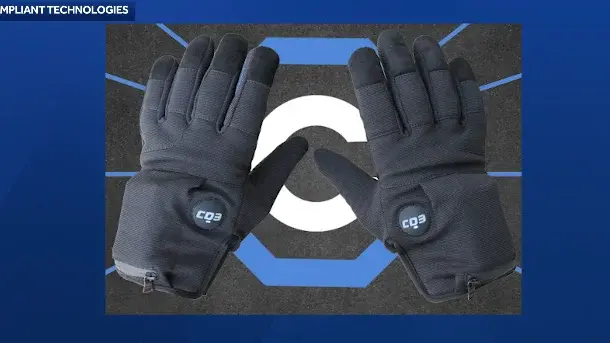
The U.S. Department of Homeland Security (DHS) has filed paperwork to spend up to $20 million on electric shock gloves for Immigration and Customs Enforcement (ICE) agents. The devices, known as G.L.O.V.E. (Generated Low Output Voltage Emitter), are designed to deliver painful voltage through direct skin contact to de-escalate resistance during arrests. While DHS frames the purchase as a necessary safety tool for officers, civil rights groups and state officials warn of potential abuse and excessive force. The procurement follows recent scrutiny of ICE operations, including fatal incidents where agents were not wearing body cameras.
Key points
- DHS is seeking up to $20 million to purchase G.L.O.V.E. gloves for ICE agents, a move reported by the Associated Press and confirmed by ABC News.
- The gloves, manufactured by Compliant Technologies, function as standard patrol gloves until activated, delivering an electric shock similar to a Taser upon direct skin contact.
- DHS describes the device as a 'Conductive Distraction and De-escalation Device' intended for use when agents face resistance or threats, not for punishment or verbal defiance.
- Critics, including the ACLU and New York officials, argue the gloves could be used as a covert punishment tool, raising civil rights and excessive force concerns.
- The procurement coincides with a rollout of body-worn cameras to all ICE field offices, a move aimed at increasing transparency after two recent fatal incidents involving agents without cameras.
Background
This development follows earlier reports from August 2026 regarding DHS plans to equip ICE officers with similar technology. Previous coverage highlighted that the gloves are intended for use in criminal investigations and enforcement removal operations, with some reports suggesting a no-bid contract process. The current procurement is part of a broader push to modernize ICE equipment, including the expansion of body cameras, which was authorized by Congress earlier in the year as part of a compromise on immigration reform.
How outlets are covering it
DHS and ICE officials emphasize that the gloves are a safety measure, stating that officers are highly trained in de-escalation and use-of-force policies. They argue the technology is consistent with law enforcement standards and necessary to safely arrest individuals. In contrast, the ACLU and New York Governor Kathy Hochul view the gloves as a potential violation of civil rights, warning that a concealed means of delivering pain could lead to abuse and reduced accountability. ABC News notes that the gloves are a new tool in the immigration officers' toolbox, while WESH highlights that the size of the purchase suggests widespread deployment. The manufacturer, Compliant Technologies, maintains that the devices are nonlethal and should not be used against vulnerable groups, though it declined to comment on the specific DHS purchase.
Why it matters
The acquisition of electric shock gloves by ICE represents a significant shift in the tools available to federal immigration agents, potentially altering the dynamics of arrests and detentions. The controversy highlights ongoing tensions between law enforcement priorities and civil liberties, particularly in the context of mass deportation efforts. The timing of the purchase, alongside the rollout of body cameras, suggests a dual focus on operational efficiency and public accountability, though critics argue that the gloves themselves may undermine transparency if used covertly.
What to watch
DHS has not specified a timeline for the deployment of the gloves, but the $20 million budget suggests a large-scale rollout. The agency is expected to finalize the procurement and begin distributing the devices to field offices. Meanwhile, civil rights groups and state officials may pursue legal action if the gloves are misused. The full deployment of body cameras is also expected to be completed within 60 days, potentially providing a record of any use of the gloves in the field.
- Electric shock gloves for ICE agents? What we know so far about the plan WESH
- ICE plans to outfit officers with electric shock gloves NPR
- Hochul Administration looks to fill federal funding gap as NY AG reviews ICE purchase of ‘electric shock gloves’ NEWS10 ABC
- DHS seeks to purchase electric shock gloves for ICE officers ABC News - Breaking News, Latest News and Videos
- ICE's plan to give officers electric shock gloves draws outrage and fears of misuse PBS
Want the full story? Read the original reporting
Read on WESH