
25 Years After 9/11: Former Legislator Discloses Illness as New Studies Link Long-Term Health Crises to Environmental Exposure
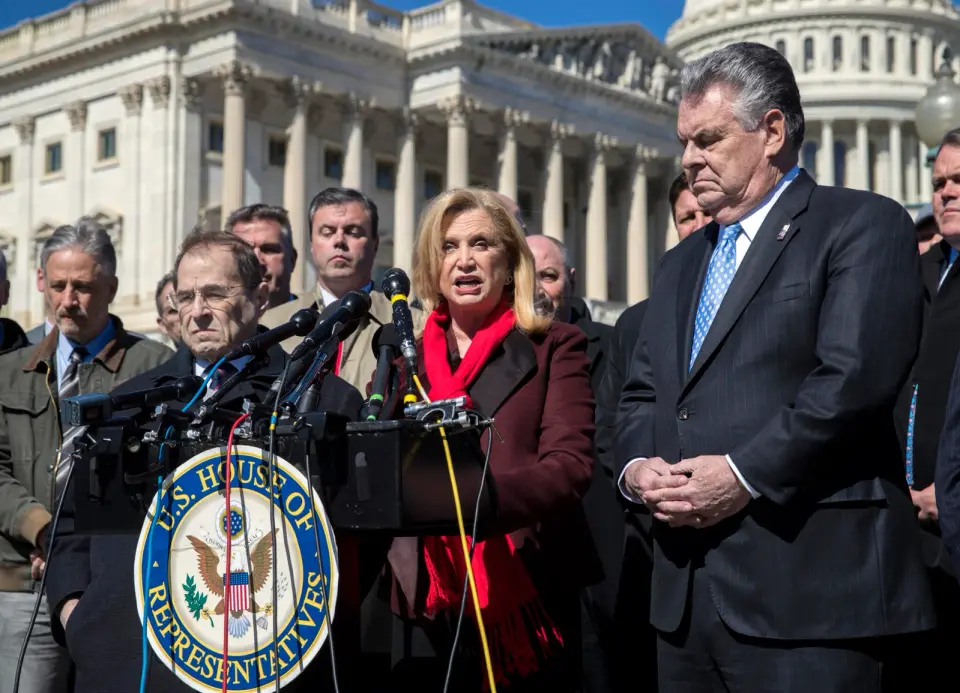
Former Rep. Carolyn Maloney, a key architect of the 9/11 health legislation, has disclosed that she is suffering from a 9/11-related respiratory illness. This personal disclosure coincides with new research and data released on the 25th anniversary of the attacks, indicating that long-term health consequences for survivors and responders are expanding. Studies now link later-life exposure to air pollution and heat with higher rates of depression and frailty, while compensation claims have surged. Officials warn that the health impacts of the disaster are not ending but are evolving, affecting a broader group of people than initially anticipated.
Key points
- Former Rep. Carolyn Maloney, who helped draft the James Zadroga 9/11 Health and Compensation Act, stated she is currently suffering from the 'World Trade Center cough' and has enrolled in the World Trade Center Health Program.
- More than 9,000 people have died from 9/11-related illnesses over the past 25 years, with over 10,000 new cancer diagnoses reported in the last year alone, according to NBC News.
- A study published in Nature Communications by Mount Sinai researchers found that later-life exposure to air pollution (PM2.5) and heat significantly increases risks for depression, PTSD, and frailty among 9/11 responders.
- The September 11th Victim Compensation Fund (VCF) has seen a surge in applications, receiving over 800 new applications per month, which is 200 more than in 2023, indicating a growing number of people becoming aware of or developing illnesses.
- Health officials emphasize that the World Trade Center Health Program has expanded its scope beyond first responders to include survivors, local workers, students, and residents exposed to toxic dust and trauma.
Background
The James Zadroga 9/11 Health and Compensation Act was passed after 15 years of advocacy, named after James Zadroga, a New York City police lieutenant who died from 9/11-related illnesses. The legislation created the World Trade Center Health Program to monitor and treat individuals exposed to the toxic environment at Ground Zero. Recent years have seen a shift in focus from immediate acute injuries to long-term chronic conditions, including cancers and cognitive disorders, affecting a wider demographic than just first responders.
How outlets are covering it
WBUR highlights the personal impact on legislative leaders, with Maloney expressing worry about her own health and noting the tragic stories of others, such as James Zadroga, whose initial diagnosis was dismissed. WSHU and ABC News focus on the scientific and demographic expansion of the crisis, noting that health officials are now studying non-first-responder groups and linking environmental factors like air pollution and lack of green space to mental health outcomes. NBC News emphasizes the sheer volume of new diagnoses, particularly cancers, and the increasing number of people applying for compensation, suggesting that the health effects are still emerging and affecting a broader population than previously understood. All sources agree that the health consequences of 9/11 are long-lasting and evolving, but they differ in emphasis: WBUR on personal testimony, WSHU/ABC on environmental science, and NBC on the scale of new cases.
Why it matters
This story underscores that the health impacts of the 9/11 attacks are not a closed chapter but an ongoing public health crisis that is expanding in scope and severity. The disclosure by a key legislator and the new research on environmental factors highlight the need for continued funding and broader eligibility for health programs. It also raises questions about the long-term effects of environmental exposures on mental and physical health, potentially impacting policy for future disasters and public health monitoring.
What to watch
The World Trade Center Health Program and the VCF are expected to continue facing increased demand as more people develop 9/11-related illnesses. Researchers will likely continue to study the long-term effects of environmental exposures on health outcomes. There may be further advocacy for expanding the scope of the health program to include more groups and conditions, such as dementia, which is not currently covered. The surge in compensation claims may also lead to discussions about the sustainability of the VCF and the need for additional funding.
- Congresswoman who helped create 9/11 health fund says she has a 9/11-related illness WBUR
- First responder recounts 9/11 as he battles cancer 25 years later 6abc Philadelphia
- 25 years after 9/11, survivors face emerging health risks wshu.org
- Residential air pollution linked to higher depression scores among 9/11 responders: Study ABC News - Breaking News, Latest News and Videos
- ‘Did you get cancer yet?’: 25 years after 9/11, more and more people are getting sick NBC News
Want the full story? Read the original reporting
Read on WBUR